

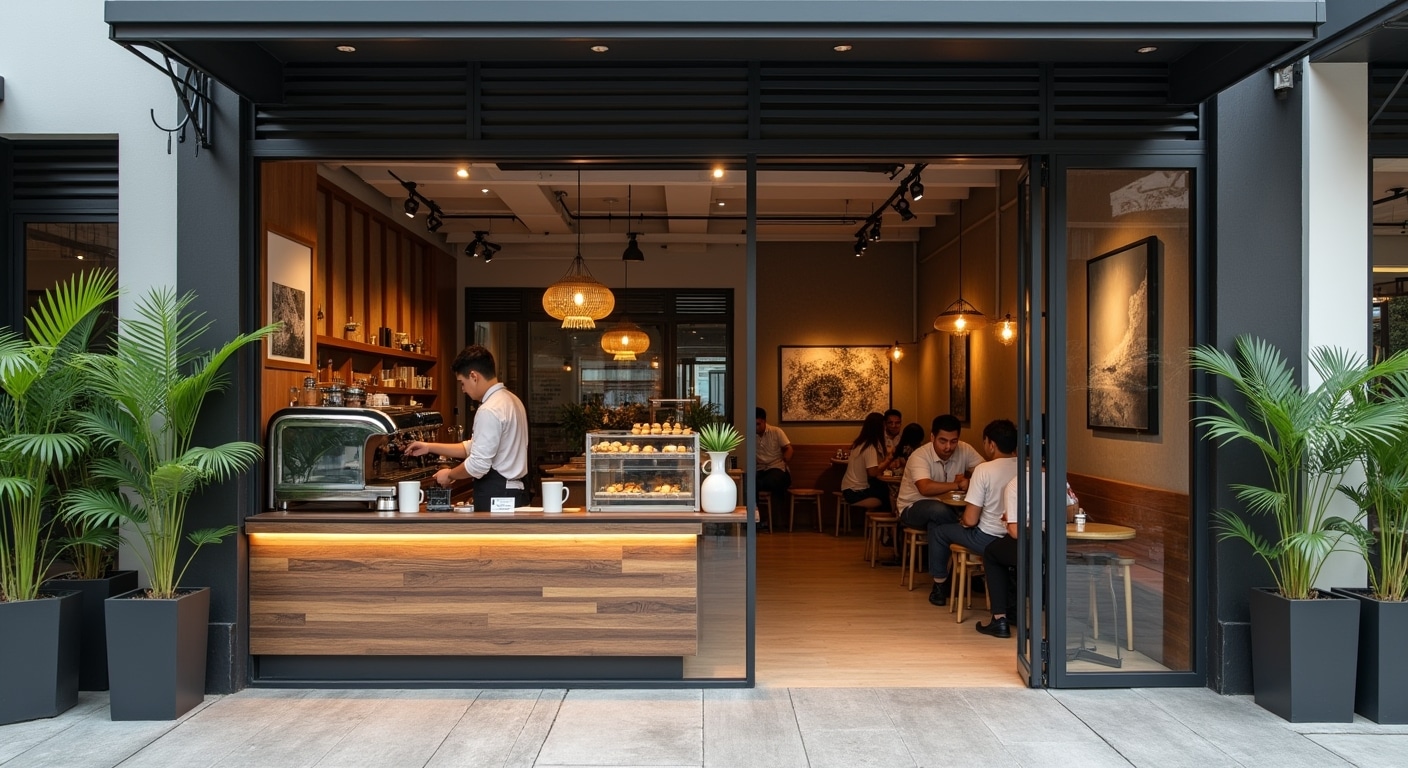
If you want to start coffee shop Malaysia, you need more than a good brew and a nice logo. Malaysia’s cafe scene is competitive, trend-driven, and shaped by local preferences, rental pressure, labour costs, licensing requirements, and fast-changing consumer expectations. The good news is that a well-planned concept can still do very well, whether you are building a neighbourhood espresso bar, a takeaway kiosk, or a full-service cafe. This guide walks through the key steps, from choosing your concept and location to budgeting, compliance, menu planning, staffing, marketing, and scaling sustainably in the Malaysian market.
Understand the Malaysian coffee shop market
Before you sign a tenancy agreement or buy an espresso machine, study the market you want to enter. Malaysia has a strong cafe culture in urban hubs such as Kuala Lumpur, Petaling Jaya, Subang Jaya, Johor Bahru, Penang, and Kota Kinabalu, but demand patterns differ by area. Some neighbourhoods respond well to specialty coffee and minimalist branding, while others care more about affordability, halal-friendly menus, parking convenience, and family-friendly seating.
To start well, identify your target customer clearly. Are you serving office workers who need fast takeaway coffees before 9am? Students looking for study-friendly spaces and budget meals? Weekend cafe hoppers who care about ambience and social media appeal? Or residential communities that want dependable drinks, pastries, and light meals close to home? Your target market will influence almost every decision you make, including store size, operating hours, menu pricing, and interior design.
You should also assess direct and indirect competition. Visit nearby cafes, kopitiams, dessert shops, bakeries, and convenience-led beverage outlets. Observe their footfall, pricing, bestsellers, service speed, and customer profile. A strong business does not necessarily need the most unique concept, but it must offer a clear reason for people to choose it repeatedly.
Choose a concept that fits your budget and location
Popular coffee shop models in Malaysia
One of the biggest mistakes new founders make is picking a concept that looks exciting online but does not fit their budget or neighbourhood. If you want to start coffee shop Malaysia successfully, choose a format that matches realistic demand and operational capability.
Common models include:
- Specialty cafe: Focused on espresso quality, single origins, manual brew methods, and coffee education.
- Neighbourhood cafe: Balanced menu of coffee, non-coffee drinks, cakes, and simple hot food for repeat local traffic.
- Grab-and-go kiosk: Smaller footprint, lower seating needs, faster service, and lower rental exposure.
- Brunch cafe: Coffee-led but food-heavy, often requiring stronger kitchen operations and higher startup capital.
- Hybrid retail cafe: Combines a beverage counter with beans, merchandise, baked goods, or lifestyle products.
Your concept should answer a few practical questions: How many customers do you need each day to break even? Can your team execute the menu consistently? Will your average ticket be high enough to support the rent? In many parts of Malaysia, simpler concepts with controlled menus can outperform larger, trendier cafes with high overheads.
Define your unique selling point
Your unique selling point does not need to be revolutionary. It just needs to be clear. You might stand out through better consistency, faster service, stronger value, a more comfortable workspace environment, Muslim-friendly menu choices, house-roasted beans, or excellent pastries made fresh daily. What matters is that customers can remember what makes your cafe worth revisiting.
Build a realistic startup budget
Cost planning is where many cafe dreams become risky. A coffee shop in Malaysia may look simple from the outside, but startup spending adds up quickly across deposits, renovation, equipment, furniture, POS systems, ingredient inventory, licensing, packaging, utilities, and working capital.
At minimum, your budget should cover three layers: setup costs, pre-opening costs, and operating reserves. Setup costs include renovation, machines, grinders, water filtration, chillers, display units, and furniture. Pre-opening costs include hiring, training, branding, menu testing, and launch marketing. Operating reserves are what keep you alive during the first few months when sales may still be unstable.
If you need a more detailed breakdown, it helps to review a guide on cafe startup costs in Malaysia before committing to a unit. This is especially important if you are comparing a kiosk model against a dine-in cafe, because the capital difference can be substantial.
Do not budget only for opening day. Budget for at least three to six months of runway. Many cafe operators underestimate payroll, ingredient wastage, maintenance, online delivery commissions, and low initial awareness. Conservative planning gives you room to adjust pricing, improve operations, and build repeat traffic.
Find the right location
What makes a good cafe location
Location remains one of the strongest predictors of success. A beautiful cafe in the wrong place can struggle, while a modestly designed shop in the right trade area can thrive. But “good location” is not only about high foot traffic. In Malaysia, you also need to think about parking, accessibility, nearby offices or residences, delivery demand, visibility from the road, and whether the rental structure makes sense for your sales target.
When evaluating locations, look at:
- Daily footfall by time of day
- Weekday versus weekend traffic
- Parking availability
- Nearby anchors such as offices, colleges, clinics, gyms, and supermarkets
- Existing food and beverage competition
- Rental rate and service charges
- Power supply, water access, and drainage suitability
- Potential for food delivery demand
A premium mall or lifestyle strip can attract customers, but fixed costs can become difficult if your average spend is too low. A secondary neighbourhood location may offer better long-term economics if your model depends on regulars. Always estimate your break-even sales before agreeing to rent.
Negotiate carefully before committing
Beyond the headline rent, clarify deposit requirements, renovation period, fit-out approvals, exclusivity terms, operating hour obligations, and whether utility upgrades are needed. A cheaper unit can become expensive if it requires heavy plumbing, exhaust, or electrical work. For first-time founders, simpler premises often reduce both risk and setup delays.
Handle business registration and cafe licensing
If you want to start coffee shop Malaysia legally, registration and licensing must be handled early. You will typically need to register your business entity, then secure local council approvals and operational permits depending on your concept and location. Requirements can vary by local authority, so do not assume what worked in one city will apply exactly the same in another.
Common compliance areas may include business registration, signboard approval, premise licensing, food handling requirements, fire safety compliance, and worker-related documentation. If you plan to serve food, your processes, kitchen setup, cleanliness, and staff training will matter more than many first-time operators expect.
Because compliance details can differ by municipality, it is wise to check a practical guide on cafe licensing in Malaysia before renovation begins. Getting this wrong can delay your opening, increase costs, or force changes to your layout later.
If your brand aims to serve a broad Malaysian market, think carefully about menu sourcing and operational decisions that support customer trust, including clear ingredient communication and consistent standards.
Plan your menu for margin and repeat sales
Design a commercially workable menu
A good menu is not just attractive. It must be profitable, operationally manageable, and relevant to your customers. Some founders create menus based on what they personally enjoy, but sustainable cafes usually design menus around margin, speed, ingredient overlap, and local demand.
Your coffee programme should include core staples such as espresso, americano, latte, cappuccino, and mocha, plus a few signature drinks if they make sense for your audience. In Malaysia, non-coffee drinks are also important. Chocolate, matcha, tea-based beverages, fruit drinks, and kid-friendly options can broaden appeal significantly.
For food, start with a focused range. Too many items can create waste, inconsistent quality, and kitchen bottlenecks. A smaller menu with better execution often performs better than an ambitious all-day offering. Include several reliable bestsellers rather than chasing every trend at once.
Price with full cost visibility
Set pricing only after calculating ingredient cost, cup and packaging cost, platform commissions if relevant, labour contribution, rent burden, and tax implications. Be realistic about what your location can absorb. Customers in Mont Kiara or Bangsar may accept different pricing from those in a suburban commercial area, but value perception still matters everywhere.
Do not underprice just to look competitive. If your margin is too thin, even good sales volume may not save the business. Build a menu that supports healthy gross profit while giving customers enough reason to return weekly.
Invest in the right equipment and workflow
Your equipment choices should fit your concept, throughput, and staff skill level. A high-end machine may look impressive, but if your outlet has low volume or your team lacks training, the return may not justify the cost. On the other hand, underinvesting in grinders, water filtration, refrigeration, or workflow design can damage consistency and service speed.
Core items usually include an espresso machine, grinder or grinders, blender, ice machine, water filtration system, refrigerator, freezer, POS system, and basic prep equipment. If you plan to bake in-house or run a substantial kitchen, your equipment list expands quickly.
Layout matters too. Think about customer ordering flow, pickup points, barista movement, dishwashing, ingredient storage, and delivery rider handoff. A smooth workflow reduces labour pressure and improves service quality during peak periods.
Hire and train a dependable team
Even with good branding and coffee beans, your team will shape the customer experience daily. In Malaysia’s cafe sector, hiring can be challenging, so build simple systems that reduce overreliance on a single barista or supervisor. Standard recipes, opening and closing checklists, prep pars, cleaning schedules, and service scripts all help maintain consistency.
When hiring, look beyond technical coffee knowledge. Reliability, attitude, cleanliness, communication, and willingness to learn are just as important. You can train coffee skills over time, but poor discipline is harder to fix.
Training should cover beverage standards, milk texturing, cashier flow, upselling without pressure, food safety, customer handling, and issue resolution. If you are managing a Muslim-friendly or broadly family-oriented outlet, clear customer communication and menu confidence become especially valuable.
Create a brand people remember
Branding is more than your logo
To start coffee shop Malaysia with long-term potential, build a brand that customers can recognise and trust. Branding includes your name, visual identity, cup design, interior mood, menu voice, social content, music, service tone, and even how your staff greet regulars. Strong branding makes a cafe easier to recommend.
Your brand should match your audience. A sleek specialty concept may work well in a design-conscious urban district, while a warm and approachable family-friendly brand may suit a township or residential area better. Consistency matters more than trendiness.
Use digital channels early
Do not wait until opening week to market your cafe. Start documenting your setup journey, menu development, and opening progress early on social media. Local discovery often happens through Instagram, TikTok, Google Business Profile, and word of mouth. If your concept depends on nearby residents or office workers, local targeting matters more than vanity metrics.
Once you open, keep marketing simple but disciplined. Post your bestsellers, seasonal drinks, food pairings, customer moments, promotions, and behind-the-scenes stories. Encourage reviews and maintain updated business details online. If you need ideas for attracting awareness and repeat traffic, explore proven cafe marketing strategies in Malaysia that fit smaller operators and growing brands.
Prepare for operations after launch
Opening day is only the beginning. The first three months will show whether your assumptions were right about pricing, staffing, demand timing, and menu mix. Track sales by product category, average basket size, peak hours, wastage, labour efficiency, customer feedback, and repeat visit patterns.
Review your menu regularly. Remove weak sellers, refine underperforming signatures, and double down on items customers keep coming back for. Watch your online reviews for recurring feedback on service speed, parking, portion size, drink sweetness, and dine-in comfort. Small improvements compound quickly in the cafe business.
You should also monitor supplier reliability, stock loss, equipment maintenance, and staff turnover. Often, steady execution beats constant reinvention. The operators who survive are usually the ones who maintain standards, manage cash tightly, and adapt based on real customer behaviour.
Know when to expand and when to stabilise
Many founders dream of opening multiple outlets, but expansion should come after operational stability, not before it. A second branch will magnify whatever systems you currently have, whether strong or weak. Before scaling, make sure your first outlet has reliable processes, trained leaders, healthy margins, and enough demand durability.
Expansion options in Malaysia may include a second full cafe, a smaller satellite kiosk, bottled drink distribution, retail beans, or event coffee catering. Each path requires different capabilities. Growth is exciting, but sustainable growth is better.
Final thoughts on how to start a coffee shop in Malaysia
To start coffee shop Malaysia the right way, focus on fundamentals: a clear concept, practical budgeting, a suitable location, proper licensing, a profitable menu, disciplined operations, and consistent branding. The cafe business can be rewarding, but it is rarely easy. Good coffee alone is not enough. What works is the combination of market fit, strong execution, and careful financial control.
If you are still shaping your plan, comparing costs, or organising your launch steps, Expresso Malaysia offers practical resources for cafe founders navigating the local market. A clear roadmap before you invest can save time, money, and many avoidable mistakes.
