

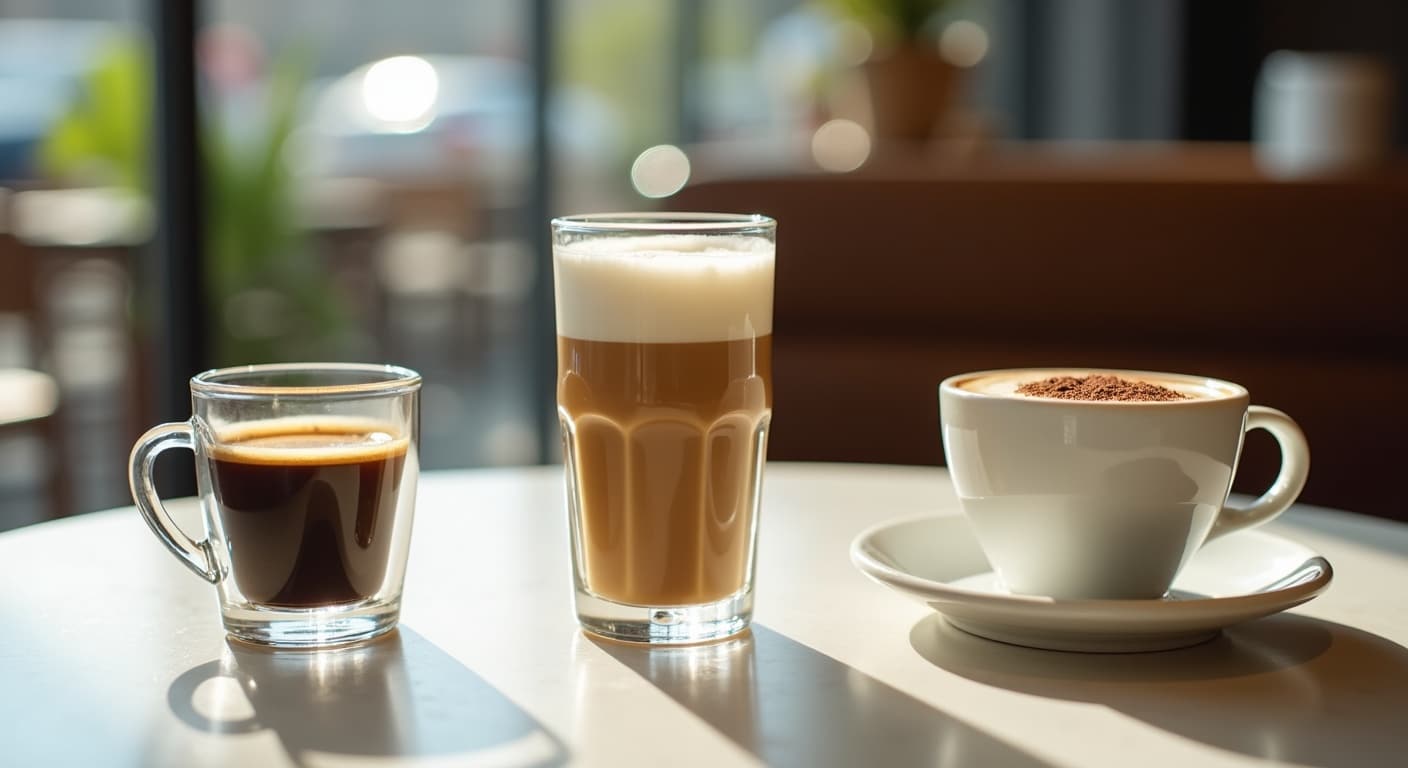
If you have ever stood at a cafe counter wondering whether to order an espresso, latte, or cappuccino, you are not alone. For many coffee drinkers in Malaysia, these three drinks appear on nearly every specialty coffee menu, yet they taste very different and suit different preferences. This guide breaks down espresso vs latte and also brings cappuccino into the comparison, so you can confidently choose the right cup for your taste, caffeine preference, and coffee moment.
At the most basic level, espresso is the concentrated coffee base, while latte and cappuccino are milk-based drinks built from espresso. The differences come down to coffee intensity, milk quantity, foam texture, serving size, and overall balance. Once you understand those elements, most cafe menus become much easier to read.
If you are still learning the fundamentals behind different coffee styles, it also helps to explore broader coffee brewing methods to see how espresso fits into the wider coffee world.
What Is Espresso?
Espresso is a concentrated coffee made by forcing hot water through finely ground coffee under high pressure. It is typically served in a small shot, often around 25 to 35ml per shot depending on the cafe’s recipe. In specialty cafes across Kuala Lumpur, Penang, Johor Bahru, and beyond, espresso is the foundation for many popular drinks.
Because the brew is concentrated, espresso has a fuller body, stronger flavour intensity, and more pronounced aroma than larger black coffee styles. A well-made espresso can taste sweet, bold, chocolatey, nutty, fruity, or floral depending on the beans and roast profile.
Espresso is usually ordered by people who want a quick, strong coffee experience without added milk. It is also the base used for latte, cappuccino, flat white, mocha, and many other cafe drinks.
Key characteristics of espresso
Espresso is the smallest and strongest of the three drinks in this comparison. It has little to no milk, a dense texture, and a concentrated flavour. If you enjoy tasting the coffee itself rather than the milk, espresso gives you the clearest expression of the beans.
What Is a Latte?
A latte is an espresso-based drink made with a shot or two of espresso and a generous amount of steamed milk, finished with a light layer of foam on top. The name comes from “caffe latte,” which means coffee with milk.
In the espresso vs latte discussion, the main difference is that a latte is much softer, creamier, and easier for casual coffee drinkers to enjoy. The milk smooths out bitterness and acidity, making the drink more approachable. This is why lattes are especially popular among office workers, students, and anyone who wants a gentler cup for a longer sipping session.
In Malaysia, lattes are commonly served hot or iced, and iced latte is one of the most popular cafe orders because it suits the local weather. An iced latte usually highlights the same espresso-and-milk balance, but with a colder, more refreshing feel.
Key characteristics of a latte
A latte has more milk than cappuccino and far more milk than espresso. It tastes mild, creamy, and smooth, with coffee flavour present but less dominant. The foam layer is thin compared with a cappuccino, and the drink is usually served in a larger cup or glass.
What Is a Cappuccino?
A cappuccino is another espresso-based milk drink, but it uses less milk than a latte and has a thicker foam layer. Traditionally, it is often described as having equal parts espresso, steamed milk, and milk foam, though exact ratios vary from cafe to cafe.
The result is a drink that sits between espresso and latte in intensity. You still get the softness of milk, but cappuccino usually tastes stronger than latte because there is less liquid milk diluting the espresso. The foam also changes the mouthfeel, making the drink feel lighter yet more textured.
In many Malaysian cafes, cappuccino is chosen by drinkers who want milk in their coffee but do not want the drink to feel too milky or too large.
Key characteristics of a cappuccino
Cappuccino offers a more balanced middle ground. It has noticeable coffee character, moderate milk sweetness, and a thicker foam cap that creates a classic cafe-style texture.
Espresso vs Latte vs Cappuccino: The Main Differences
To understand espresso vs latte and cappuccino clearly, it helps to compare the core elements side by side: size, milk, foam, taste, and drinking experience.
1. Coffee intensity
Espresso is the most intense because it is concentrated and served without much dilution. Latte is the least intense because it contains the most milk. Cappuccino lands in the middle, giving you a stronger coffee impression than a latte but a softer taste than straight espresso.
2. Milk content
Latte contains the most steamed milk, which creates a creamy and mellow drink. Cappuccino contains less milk and more foam, so the coffee remains more noticeable. Espresso contains no added milk unless you choose to pair it with a small amount of milk separately.
3. Foam texture
Espresso may have crema, the golden layer formed during extraction, but it does not have milk foam unless modified. Latte has a thin layer of fine microfoam, which is ideal for latte art. Cappuccino has a thicker foam layer, giving it a fluffier and more traditional cafe texture.
4. Serving size
Espresso is usually the smallest serving. Latte is generally the largest because of the milk volume. Cappuccino is often medium in size, though exact cup sizes vary by cafe.
5. Taste experience
Espresso tastes bold and concentrated. Latte tastes milky, smooth, and approachable. Cappuccino tastes balanced, with a stronger coffee note than latte and a more textured finish.
Espresso vs Latte: Which One Has More Caffeine?
This is one of the most common questions, and the answer depends on how the drink is made. Many people assume latte has less caffeine because it tastes milder, but a latte can contain the same amount of espresso as a standalone shot, or even more if the cafe uses a double shot.
So in the espresso vs latte comparison, caffeine is not determined by milk. Milk changes flavour and texture, not caffeine level. If both drinks use one shot of espresso, the caffeine content is similar. If the latte uses two shots, it may contain more caffeine overall.
That said, espresso feels stronger because you drink it quickly and without milk. A latte spreads that same coffee base through a much larger drink, which makes it seem gentler.
Which Drink Tastes Strongest?
Espresso tastes the strongest because it is concentrated. Latte tastes the mildest because milk softens the coffee. Cappuccino gives a stronger coffee impression than latte due to its lower milk volume and thicker foam structure.
If you are new to coffee, a latte is often the easiest starting point. If you already enjoy kopi-o, long black, or stronger brews, cappuccino may be a better transition into milk-based specialty coffee. If you want to taste the beans directly, espresso is the clearest option.
Understanding bean origin and roast can also help explain why one cafe’s espresso tastes more chocolatey while another tastes fruitier. Our guide to coffee beans and flavour profiles is useful if you want to go deeper.
How Milk Changes the Coffee Experience
Milk does more than make coffee look lighter. It changes sweetness, body, temperature perception, and the way flavours are experienced. In a latte, milk can highlight caramel, chocolate, and nutty notes while softening sharp acidity. In a cappuccino, the foam adds air and texture, which can make each sip feel lighter and more aromatic.
This is why two drinks made from the same espresso shot can feel completely different. A latte delivers comfort and smoothness. A cappuccino offers a more structured coffee-and-foam experience. Espresso keeps everything direct and intense.
In Malaysia, milk choice can also influence flavour. Full cream milk is common, but some cafes offer oat, soy, or almond milk. Alternative milks can slightly change sweetness and texture, especially in lattes.
Hot vs Iced: Does It Change the Comparison?
Yes. The core drink style remains the same, but temperature changes the overall experience. A hot latte feels creamier and more comforting, while an iced latte feels lighter and more refreshing. In hot Malaysian weather, iced latte is often more popular than hot cappuccino or espresso.
Iced cappuccino is less common in many cafes because foam does not hold up the same way over ice. Espresso, meanwhile, may be enjoyed as a quick hot shot or used as the base for iced Americano and iced latte.
If your main goal is an all-day, easy-to-drink cafe beverage, iced latte often wins for practicality in Malaysia. If you want a quick caffeine moment without a large drink, espresso stays relevant.
Which One Should You Order at a Cafe?
The best choice depends on your taste and what kind of coffee moment you want.
Choose espresso if
You like strong coffee, want to taste the beans clearly, or prefer a quick and concentrated drink. Espresso also makes sense if you do not want milk.
Choose latte if
You prefer a smooth, creamy, mellow drink that is easy to sip over time. Latte is ideal for coffee beginners or anyone who enjoys milk-forward coffee.
Choose cappuccino if
You want a middle ground: more texture and stronger coffee flavour than latte, but still softer than espresso. Cappuccino suits people who want balance rather than extremes.
Common Misunderstandings About These Drinks
“Latte is just coffee with lots of milk”
Not exactly. A proper latte still relies on espresso extraction quality. If the espresso is poor, the latte will still taste flat, burnt, or unbalanced.
“Cappuccino and latte are basically the same”
They are related, but not the same. The milk-to-foam ratio changes both flavour strength and mouthfeel. A cappuccino usually tastes more coffee-forward and airy.
“Espresso always has more caffeine than latte”
Not necessarily. It depends on the number of espresso shots used. A double-shot latte can contain more caffeine than a single espresso.
A Quick Comparison Table
Espresso: small, concentrated, no milk, strongest flavour.
Latte: large, lots of steamed milk, thin foam, mild and creamy.
Cappuccino: medium, less milk than latte, thicker foam, balanced and more coffee-forward.
How Malaysian Cafe Culture Shapes These Choices
Malaysia has a unique coffee landscape because traditional kopitiam culture and modern specialty cafes exist side by side. Someone who grew up drinking kopi may prefer the stronger impression of espresso or cappuccino, while newer cafe-goers often start with latte because it feels familiar and approachable.
Urban cafes also influence ordering habits. In cities where remote work, meetings, and long cafe sessions are common, latte remains popular because it is easy to drink slowly. Espresso appeals more to enthusiasts, while cappuccino tends to attract those who want classic cafe texture without committing to a large milky drink.
If you want a broader look at how coffee culture and cafe habits differ locally, our Malaysia coffee guide offers more context for exploring coffee across the country.
Final Thoughts on Espresso vs Latte vs Cappuccino
When comparing espresso vs latte vs cappuccino, the simplest way to think about it is this: espresso is the base and the boldest option, latte is the smoothest and milkiest option, and cappuccino is the balanced middle ground. None is objectively better. The right choice depends on whether you want intensity, creaminess, or texture.
If you are unsure at a cafe, start by asking yourself one question: do you want to taste more coffee or more milk? If the answer is coffee, choose espresso or cappuccino. If the answer is milk and smoothness, choose latte. Over time, trying all three is the best way to train your palate and find your go-to order.
If you enjoy practical coffee guides like this, subscribe to our newsletter for more Malaysia-focused cafe tips, coffee comparisons, and brewing insights.
