

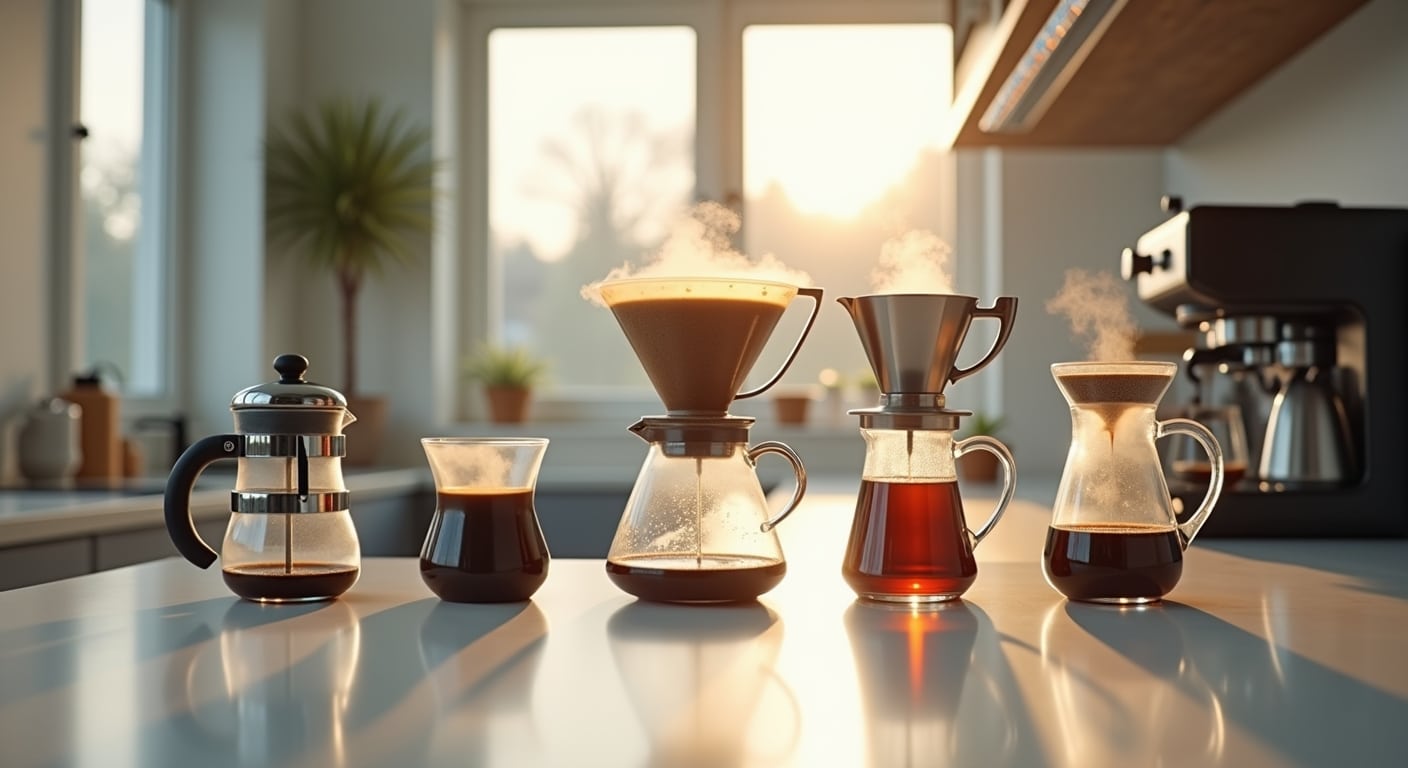
Learning the right coffee brewing methods at home can completely change how you enjoy your daily cup. Whether you are making coffee before work in Kuala Lumpur, preparing a slow weekend brew in Penang, or experimenting with beans from local Malaysian roasters, understanding different brew styles helps you get better flavour, aroma, and consistency without relying on a cafe every day. From immersion brews to pressure-based extraction, each method highlights coffee in a different way. This guide walks through the most popular coffee brewing methods, the tools you need, how each technique affects taste, and how to choose the best one for your routine, budget, and skill level.
Why coffee brewing methods matter
Coffee is not just about the beans. The way you brew directly affects strength, body, acidity, sweetness, and clarity. Two people can use the same beans and still get very different cups because of grind size, water temperature, brew time, and filter type. That is why knowing several coffee brewing methods is useful for home brewers.
In Malaysia, where coffee drinkers range from fans of traditional kopitiam coffee to specialty cafe regulars, home brewing gives you flexibility. You can brew bold and rich coffee for breakfast, prepare a clean pour over in the afternoon, or make espresso-style drinks without always heading out. If you are still exploring origins and roast levels, it also helps to understand the basics of choosing beans first through a practical coffee beans guide.
Main categories of coffee brewing methods
Most coffee brewing methods fall into a few broad categories. Understanding these makes it easier to compare devices and decide what suits you best.
Immersion brewing
In immersion brewing, coffee grounds stay in contact with water for a set period. This often produces a fuller body and balanced extraction. Examples include the French press, AeroPress in certain styles, and cold brew.
Pour over and drip brewing
With pour over methods, water passes through coffee grounds and a filter. This usually creates a cleaner, brighter cup with more flavour clarity. Common examples include the V60, Chemex, and automatic drip coffee makers.
Pressure brewing
Pressure-based coffee brewing methods force water through finely ground coffee. Espresso is the most famous example and produces concentrated coffee with strong flavour and crema.
Boiling and stovetop methods
Some methods rely on heat and steam pressure from a stove, such as the moka pot. These often create an intense cup that sits between drip coffee and espresso in strength.
Pour over coffee
Pour over is one of the most popular coffee brewing methods among specialty coffee enthusiasts because it gives you precise control over extraction. You pour hot water slowly over coffee grounds in a filter, allowing the coffee to drip into a server or cup below.
What you need
You will usually need a dripper such as a V60, paper or metal filters, a kettle, a grinder, a scale, and fresh coffee beans. A gooseneck kettle helps with pouring accuracy but is not essential when you are starting out.
How it tastes
Pour over coffee is typically clean, aromatic, and bright. It highlights floral, fruity, and tea-like notes particularly well, making it a good match for lighter roasts and single-origin beans.
Best for
This method suits people who enjoy a hands-on brewing ritual and want to explore flavour detail. It is ideal for slower mornings or weekends when you can pay attention to technique.
Things to watch out for
Pour over can be inconsistent if your grind is off or your pouring is uneven. Beginners sometimes find it harder than expected. Still, once you understand the basics, it becomes one of the most rewarding home coffee brewing methods.
French press
The French press is one of the simplest and most accessible coffee brewing methods for home use. It works by steeping coarse coffee grounds in hot water before pressing a metal filter down to separate the liquid from the grounds.
What you need
You need a French press, coarse-ground coffee, hot water, and ideally a timer. No paper filters are required, which makes it convenient and relatively affordable.
How it tastes
French press coffee usually has a heavier body and more texture than filtered methods. Because the metal mesh allows oils and fine particles through, the cup often feels richer and bolder.
Best for
This is a practical choice for people who want minimal equipment and straightforward brewing. It also works well for making multiple cups at once, which is useful for households or small office setups.
Things to watch out for
If the grind is too fine or the brew time is too long, French press coffee can taste muddy or bitter. Pouring immediately after pressing helps reduce over-extraction.
AeroPress
The AeroPress has become a favourite among home brewers because it is compact, versatile, and forgiving. It combines immersion and pressure, allowing users to brew in different ways depending on their preference.
What you need
You need the AeroPress device, filter papers or a reusable metal filter, coffee, and hot water. A grinder and scale help improve consistency, but the setup remains travel-friendly and easy to store in smaller Malaysian apartments.
How it tastes
The cup can range from clean and bright to rich and concentrated depending on your recipe. This flexibility is what makes the AeroPress stand out among coffee brewing methods.
Best for
It is excellent for beginners, frequent travellers, and anyone who wants one brewer that can do several styles. It is also handy for those who want something faster than pour over but more nuanced than instant coffee.
Things to watch out for
Because there are many recipes online, new users can feel overwhelmed. Start with a simple recipe first, then adjust grind size, brew time, and dilution based on taste.
Espresso
Espresso is one of the most recognised coffee brewing methods and the base for drinks like latte, cappuccino, flat white, and long black. It uses pressure to force hot water through very finely ground coffee, producing a concentrated shot with crema.
What you need
A proper espresso setup usually includes an espresso machine and a quality grinder. Entry-level home machines are available, but consistency can still depend heavily on grind precision and technique.
How it tastes
Espresso is intense, syrupy, and concentrated. It can be sweet and balanced when dialled in well, but harsh and bitter if extraction is poor.
Best for
This suits people who enjoy milk-based coffee drinks or want a cafe-style experience at home. If you are interested in the fundamentals, this guide on how to make espresso at home is a useful next step.
Things to watch out for
Espresso has a steeper learning curve than most home coffee brewing methods. Equipment cost is higher, and small changes in grind or dose can affect the shot significantly.
Moka pot
The moka pot is a stovetop brewer that creates a strong, espresso-like coffee without the cost of an espresso machine. It remains a popular option for home users who want bold coffee and simple equipment.
What you need
You need a moka pot, finely ground coffee that is slightly coarser than espresso, water, and a stove.
How it tastes
Moka pot coffee is robust, rich, and often more intense than drip coffee. It works especially well with milk and sugar, which suits many local preferences.
Best for
It is a strong choice for those who want concentrated coffee on a budget. It also appeals to people who enjoy a traditional brewing process.
Things to watch out for
Using too much heat can scorch the coffee and create bitterness. Brewing over moderate heat and removing it from the stove at the right time improves flavour.
Cold brew
Cold brew is one of the easiest coffee brewing methods for Malaysia’s hot weather. Instead of using hot water, coffee grounds steep in cold or room-temperature water for many hours, usually overnight.
What you need
You only need coarse coffee grounds, water, a jar or brewer, and a filter or strainer. The process is simple and works well in most kitchens.
How it tastes
Cold brew is smooth, low in perceived acidity, and often naturally sweet. Many people enjoy it over ice, black, or with milk.
Best for
This is ideal for those who want a ready-to-drink coffee in the fridge. It is especially convenient for busy schedules since you brew in advance.
Things to watch out for
Cold brew can become flat or too strong if the coffee-to-water ratio is not balanced. It also tastes different from iced black coffee made with hot extraction, so expectations should be managed.
Automatic drip coffee makers
Automatic drip machines are among the most practical coffee brewing methods for households that want convenience. They automate water flow and brewing time, making them useful for daily routines.
What you need
You need the machine, filter papers or a built-in filter depending on the model, ground coffee, and water.
How it tastes
The flavour depends on the machine quality, brew temperature, and the coffee used. A good machine can produce a balanced and clean cup suitable for everyday drinking.
Best for
This method suits families, offices, or anyone who wants larger quantities with minimal effort. It is less manual than pour over and more scalable.
Things to watch out for
Cheaper machines may not maintain ideal brewing temperatures, which can lead to weaker extraction. Cleaning is also important to prevent stale flavours.
How to choose the best home brewing method
The best coffee brewing methods depend on your lifestyle, taste preferences, and budget. There is no single perfect option for everyone.
Choose based on flavour preference
If you like clean and nuanced coffee, pour over is a strong choice. If you prefer bold and textured cups, French press or moka pot may be better. If you enjoy concentrated drinks with milk, espresso is the natural fit.
Choose based on convenience
For speed and low effort, automatic drip machines and cold brew are practical. For flexibility and portability, AeroPress is hard to beat.
Choose based on budget
French press, moka pot, and AeroPress are generally more affordable than espresso machines. Pour over setup costs can also be modest if you start with basic equipment.
Choose based on your routine
Think realistically about how much time you have. A careful pour over may sound appealing, but if your mornings are rushed, simpler coffee brewing methods might fit better.
Tips for better coffee at home
Use fresh beans
Good brewing starts with good coffee. Freshly roasted beans usually give better aroma and flavour than older stock. If you are learning more about local coffee culture and preferences, explore this broader guide to coffee in Malaysia.
Grind just before brewing
Fresh grinding improves flavour and aroma. Different coffee brewing methods need different grind sizes, so a burr grinder is a worthwhile upgrade if you brew regularly.
Pay attention to water
Water makes up most of your cup. Clean, neutral-tasting water helps your coffee taste better. Very hard or chlorinated water can dull flavour.
Measure consistently
Using a scale makes it easier to repeat a brew you enjoy. Eyeballing coffee and water often leads to inconsistent results.
Clean your equipment
Old coffee oils and residue can affect taste. Regular rinsing and deeper cleaning keep your brews tasting fresh.
Common mistakes when trying different coffee brewing methods
Using the wrong grind size
This is one of the biggest reasons coffee tastes sour, weak, or bitter. Match the grind size to the brewer.
Brewing with boiling water
Water that is too hot can over-extract coffee. Let freshly boiled water rest briefly before brewing.
Ignoring brew time
Time is a major part of extraction. Too short and the coffee may taste underdeveloped. Too long and it can become harsh.
Changing too many variables at once
When adjusting a recipe, change one factor at a time. This helps you understand what improves or worsens the cup.
Final thoughts on coffee brewing methods
Exploring coffee brewing methods at home is one of the best ways to understand your own taste and get more value from every bag of beans. Some people fall in love with the precision of pour over, while others prefer the ease of a French press or the intensity of moka pot and espresso. The best method is the one you will actually enjoy using regularly. Start with one brewer that suits your routine, learn the basics well, and then experiment from there. If you enjoy practical coffee guides like this, you can always subscribe to our newsletter for more home brewing tips, bean insights, and Malaysia coffee updates.
