

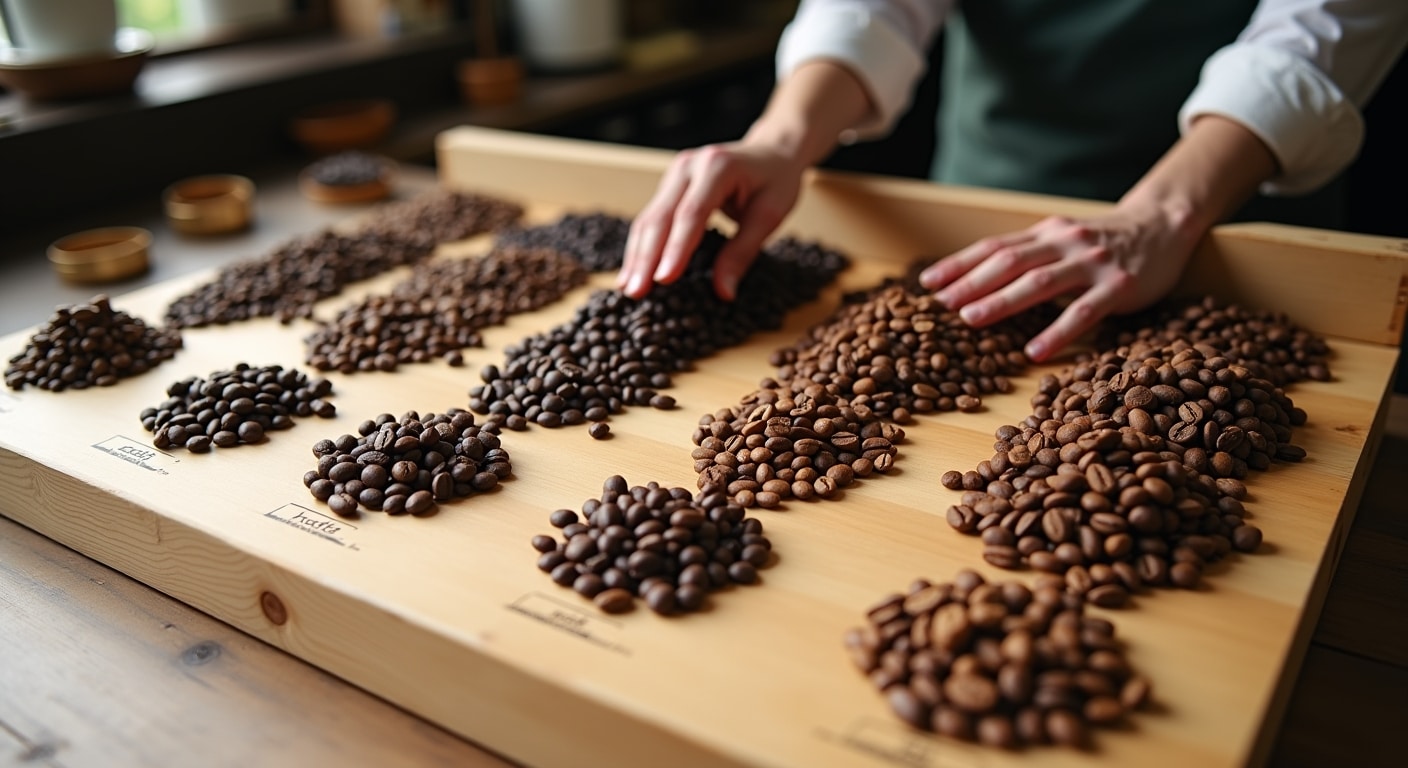
If you are starting your journey into specialty coffee or simply want to brew better at home, this coffee beans guide will help you understand the essentials without the jargon. In Malaysia, coffee culture has grown far beyond instant kopi and café trends, with more people exploring origins, roast profiles, brewing methods, and bean freshness. Whether you buy beans for home use, a small office pantry, or a café menu, learning how to choose the right coffee beans can make a big difference to flavour, consistency, and value. This guide covers the main bean types, origins, processing methods, roast levels, storage, and buying tips so you can make smarter coffee decisions.
Why coffee beans matter more than many people realise
Great coffee starts with the bean. Even the best espresso machine or filter brewer cannot fix poor-quality, stale, or unsuitable beans. The bean determines the flavour foundation of your cup, including sweetness, acidity, body, aroma, and aftertaste. In Malaysia’s humid climate, bean quality and freshness are especially important because heat and moisture can affect storage and flavour faster than many people expect.
When people say they want stronger coffee, smoother coffee, or more aromatic coffee, the answer often begins with choosing the right beans rather than changing equipment. A proper coffee beans guide should therefore start with selection, because beans influence everything from crema in espresso to clarity in pour over and texture in milk-based drinks.
Understanding the main coffee species
Arabica
Arabica is the most widely discussed species in specialty coffee. It is usually associated with more complex flavours, brighter acidity, floral or fruity notes, and a cleaner finish. Arabica beans often grow at higher elevations and can express more origin character, which is why many single-origin coffees in cafés and roasteries feature Arabica.
For drinkers who enjoy filter coffee, black coffee, or nuanced espresso, Arabica is often the go-to choice. If you want a deeper comparison of bean species and cup profile differences, see our guide to Arabica vs Robusta coffee differences.
Robusta
Robusta generally contains more caffeine and is often described as bolder, earthier, more bitter, and heavier in body. It is commonly used in traditional blends, commercial coffee, and some espresso blends where extra body and crema are desired. In Malaysia, robusta-style profiles may feel familiar to those who grew up with stronger local coffee flavours.
That said, not all Robusta is low quality. Fine Robusta has gained more attention in recent years, and when sourced and roasted well, it can offer a solid cup with strong character and good value.
Liberica and regional relevance
A Malaysia-focused coffee beans guide should also mention Liberica. While less common globally, Liberica has regional relevance in Southeast Asia and can produce distinctive flavour notes that are woody, fruity, smoky, or jackfruit-like depending on processing and roasting. For those interested in local coffee identity, Liberica is worth exploring, especially when looking beyond mainstream café offerings.
Single origin vs blends
What single origin means
Single-origin coffee usually comes from one country, region, farm, or cooperative. These beans are chosen to highlight unique flavour characteristics linked to terroir, variety, altitude, and processing. For example, an Ethiopian coffee may show floral and citrus notes, while a Colombian coffee may lean toward caramel, red fruit, and balanced acidity.
Single origins are popular with pour-over drinkers and anyone who wants to taste the individuality of a coffee. They can be exciting, seasonal, and highly expressive, though they may be less forgiving if your grinder or brewing method is inconsistent.
Why blends are popular
Blends combine beans from different origins or species to create a target flavour profile. Roasters often build blends for balance, consistency, and versatility. A blend may offer chocolate, nuttiness, lower acidity, and a smooth body that works well for espresso-based drinks such as latte, cappuccino, and flat white.
For homes, offices, and cafés that prioritise dependable flavour from cup to cup, blends can be a practical choice. They are often designed to perform well with milk and can be easier for beginners to enjoy.
How origin affects flavour
Origin matters because climate, altitude, soil, and farming practices shape the final cup. While flavour notes are never guaranteed in the same way as a recipe, origin often gives useful clues.
Africa
African coffees, especially from Ethiopia and Kenya, are often linked with bright acidity, floral aromatics, berry notes, and tea-like clarity. These beans are popular among pour-over fans and specialty coffee drinkers who appreciate complexity.
Latin America
Coffees from Brazil, Colombia, Guatemala, and Costa Rica are often associated with chocolate, nuts, caramel, citrus, and balanced sweetness. They can be approachable and versatile, making them suitable for espresso and filter brewing.
Asia and Southeast Asia
Asian coffees, including those from Indonesia, Vietnam, and parts of Malaysia, may show earthy, spicy, herbal, woody, or full-bodied characteristics. These profiles can work especially well for drinkers who prefer lower acidity and a richer cup.
If you are exploring how coffee preferences connect with local drinking habits and café culture, our Malaysia coffee guide gives broader context on how coffee has evolved in the country.
Processing methods and what they do to the cup
Washed process
Washed coffees usually taste cleaner and more transparent, allowing acidity and origin notes to come through clearly. This is a common choice for drinkers who value precision and brightness in the cup.
Natural process
Natural coffees are dried with the fruit still on the bean, often producing sweeter, fruitier, and more intense flavours. They can be vibrant and aromatic, though sometimes wilder or less predictable depending on processing quality.
Honey and other experimental processes
Honey process leaves some mucilage on the bean during drying and can create a cup that balances sweetness, body, and clarity. Experimental processing such as anaerobic fermentation has also become more visible in specialty coffee, bringing bold flavour expressions that appeal to adventurous drinkers.
For everyday brewing, processing method should not be the only factor you use, but it is a helpful clue when choosing between coffees with similar origins or roast levels.
Roast levels explained simply
One of the most important parts of any coffee beans guide is understanding roast level. Roast changes how the bean tastes, smells, and behaves during brewing. Many buying mistakes happen because people choose a roast level that does not suit their preferred brew method.
Light roast
Light roasts preserve more of the bean’s original character. They tend to have brighter acidity, more obvious fruit or floral notes, and a lighter body. These are often popular for manual brewing methods such as V60, Chemex, and batch brew.
Medium roast
Medium roasts offer a middle ground with balanced sweetness, body, and acidity. They are often versatile enough for both espresso and filter, depending on the specific bean and roast approach.
Dark roast
Dark roasts emphasise roast-driven flavours such as chocolate, smoke, toast, and bitterness. They may have a heavier body and lower perceived acidity. For milk drinks, some people prefer dark roast because the stronger flavour stands up well to dairy.
If you want a clearer breakdown before buying your next bag, read our guide to coffee roast levels and flavour impact.
Choosing beans based on your brewing method
Espresso machines
Espresso generally benefits from beans that deliver sweetness, body, and enough solubility for concentrated brewing. Medium to medium-dark blends are common choices, especially for milk-based drinks. Single origins can also work, but they may require more precise dialing in.
Pour over
Pour-over brewing highlights clarity and nuance, so many coffee drinkers choose light to medium roasted single origins. If you like fruity, floral, or tea-like cups, this is often the best route.
French press and immersion methods
French press, AeroPress, and similar immersion brewers are flexible. Medium roasts are often a safe starting point, though darker roasts can give a fuller, richer brew if that suits your taste.
Cold brew
Cold brew often works well with chocolatey, nutty, and low-acid beans. Medium or darker roasts are popular, but fruity profiles can also produce interesting results for those who prefer a brighter style.
How to read a coffee bag before buying
Not every coffee label tells you the full story, but a few details can help you make a more informed decision.
Roast date
Look for a roast date rather than only an expiry date. Freshly roasted beans generally taste best after a short resting period and within a practical freshness window. For most home users, buying beans roasted recently is more useful than stockpiling large amounts.
Tasting notes
Tasting notes are guides, not promises. If a bag says berries, cocoa, or citrus, it does not mean your cup will taste exactly like juice or dessert. It means those flavour directions may be present when brewed properly.
Origin and process
Origin and process reveal likely flavour characteristics. Together with roast level, they help you predict whether a coffee will be bright and delicate, sweet and balanced, or bold and heavy.
Brew recommendation
Some roasters mention whether the beans suit espresso, filter, or both. This can be helpful, especially for beginners who are still learning how beans behave across different methods.
Freshness and storage in Malaysia
Malaysia’s tropical weather makes storage especially important. Beans exposed to heat, air, light, and humidity will lose flavour faster and may develop stale or flat characteristics. Keep your coffee in an airtight container, away from direct sunlight and kitchen heat sources. A cool cupboard is usually better than leaving beans on the counter in a clear jar.
It is usually best not to refrigerate coffee because condensation can introduce moisture. Instead, buy smaller amounts more frequently. For many households, a 200g or 250g bag is easier to finish while the beans are still tasting their best.
Common mistakes when buying coffee beans
Choosing based only on strength
Strength is often confused with bitterness or darkness. If you want fuller flavour, body, or caffeine, there are better ways to choose beans than simply picking the darkest roast available.
Ignoring brew method
A bean that shines in espresso may not be your favourite in pour over, and vice versa. Matching the bean to your brewing method improves the result significantly.
Buying too much at once
Bulk buying may seem economical, but stale coffee is a waste. Unless you are serving high daily volume, smaller, fresher purchases are usually better.
Grinding too early
Whole beans hold flavour longer than pre-ground coffee. If possible, buy whole beans and grind only what you need before brewing.
Buying for home, office, or café use
For home users
Start with one reliable blend and one more expressive single origin. This gives you a practical daily option as well as something more interesting to explore on weekends or when guests visit.
For offices
Office coffee should prioritise consistency, broad appeal, and easy brewing. Medium roasts with chocolatey or nutty notes tend to satisfy a wider audience and work better for automated machines.
For cafés and food businesses
Cafés, restaurants, and hospitality operators need beans that balance flavour, cost, consistency, and supply stability. This is where working with a dependable coffee bean supplier can matter, especially if you need repeatable quality, training support, or beans suited to your menu and machine setup. The right supplier relationship is not only about buying beans, but also about maintaining beverage quality over time.
How to find your preferred coffee profile
The easiest way to discover what you actually like is to compare coffees side by side. Try one Brazilian medium roast, one Ethiopian light roast, and one espresso blend. Notice whether you enjoy fruity acidity, chocolate sweetness, heavy body, or a clean finish. Over time, your preferences become easier to identify.
Keep simple notes about what you brewed, how it tasted, and whether you would buy it again. You do not need professional cupping skills to build a better understanding of coffee. A little consistency goes a long way.
Final thoughts on choosing better coffee beans
A useful coffee beans guide should help you buy with more confidence, not make coffee feel complicated. Start with the basics: understand species, origin, process, roast level, and brew method. Buy fresh, store properly, and adjust based on your taste rather than trends alone. In Malaysia’s growing coffee scene, there is no shortage of beans to explore, from approachable everyday blends to more distinctive specialty lots.
If you are comparing options for brewing, sourcing, or setting up a more consistent coffee programme, you can also explore our tools and resource lists to narrow down what fits your needs. The right beans are not always the most expensive ones, but the ones that suit how you brew and what you enjoy drinking.
