

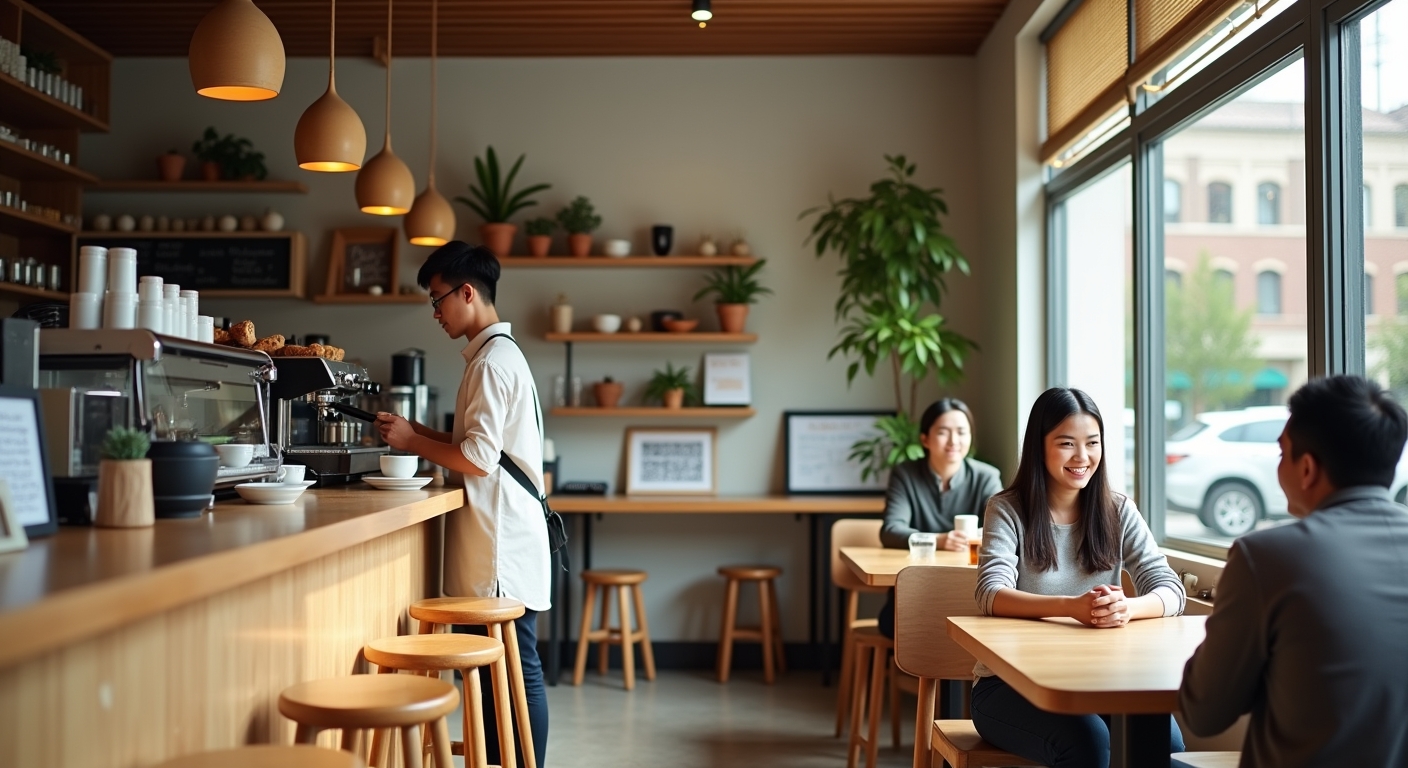
Starting a compact coffee business can be exciting, especially in Malaysia where cafe culture continues to grow in neighbourhoods, shoplots, office districts and residential communities. The best small cafe ideas are not just about aesthetics. They combine a clear concept, smart use of space, a menu that suits local demand and an experience that gives customers a reason to return. Whether you are planning a takeaway kiosk, a cosy community cafe or a niche specialty coffee spot, thoughtful planning can help a small space feel memorable and commercially viable.
In this guide, we cover practical small cafe ideas for entrepreneurs, operators and coffee lovers who want to understand what makes a compact cafe work. From theme selection and layout planning to menu design and customer retention, these ideas are tailored to the realities of running a cafe in Malaysia.
Why Small Cafes Work Well in Malaysia
Small cafes can be highly attractive because they often require lower startup costs than large-format outlets, and they can fit into many types of locations. In Malaysia, this flexibility matters. A small cafe might operate successfully in a corner lot in Petaling Jaya, a heritage row in George Town, a suburban township in Johor Bahru or a mixed-use development in Kuala Lumpur.
Customer habits also support the model. Many people want a quick coffee before work, a comfortable place for a short catch-up or a photogenic spot for weekend cafe hopping. If you study current consumer preferences through guides like cafe hopping in Malaysia, you will notice that smaller cafes often stand out through personality, consistency and niche appeal rather than size alone.
A compact cafe also encourages tighter operational control. Owners can monitor quality more easily, train a smaller team and create a focused menu that reduces waste. When done right, a small format can feel curated instead of limited.
Start with a Clear Cafe Concept
One of the most important small cafe ideas is choosing a concept that is easy to understand. Customers should be able to describe your cafe in one sentence. If the concept is too broad, the brand becomes forgettable. If it is focused, the business becomes easier to market.
Neighbourhood Everyday Cafe
This concept appeals to regulars who want dependable coffee, simple food and a relaxed atmosphere. It works well near residential areas, schools and offices. The focus is less on trend-driven design and more on comfort, value and familiarity.
Specialty Coffee Micro Cafe
A specialty micro cafe highlights beans, brewing methods and barista craft. This concept suits owners who want to attract coffee enthusiasts. A small menu is often enough if beverage quality is excellent and staff can communicate flavour notes clearly. For readers still learning about beans, roasting and brewing styles, our coffee guide in Malaysia offers useful context.
Dessert and Coffee Pairing Cafe
A small cafe can succeed by pairing coffee with one standout dessert category such as burnt cheesecake, chiffon cake, croffles or artisan pastries. The idea is to create a strong reason for visits without overcomplicating the kitchen.
Culture or Heritage-Inspired Cafe
In Malaysia, a small cafe can draw attention by reflecting local heritage, Peranakan influences, kopitiam nostalgia, tropical flavours or a modern Malaysian identity. The key is to make the concept feel genuine rather than superficial.
Grab-and-Go Coffee Bar
For high-footfall business districts, a takeaway-first model can be one of the smartest small cafe ideas. Seating can be minimal, but service speed, mobile ordering and drink consistency become essential.
Choose a Space-Efficient Layout
A small cafe layout should support workflow first and aesthetics second. Beautiful interiors matter, but poor movement between the counter, espresso machine, dishwasher, prep station and customer area can slow operations quickly.
Prioritise the Service Counter
The counter is often the heart of a small cafe. Customers order there, interact with staff there and form their first impression there. Make sure the menu is clearly visible, queue flow is intuitive and pickups do not block new orders.
Use Flexible Seating
Instead of large sofas or heavy furniture, choose small tables that can be rearranged. Bench seating against the wall can create more room. Outdoor seating may also help if the location allows it, though weather planning is important in Malaysia.
Create Visual Space
Mirrors, natural light, clean lines and a restrained colour palette can make a compact space feel more open. Avoid overcrowding the cafe with decorations that reduce seating or make the shop feel cramped.
Design for Instagram Without Forcing It
Many people discover cafes through social sharing. You do not need a highly staged set. A signature corner, attractive cups, natural lighting and a cohesive brand palette are enough to make the cafe visually appealing.
Build a Menu That Fits a Small Operation
A common mistake among new cafes is trying to offer too many items. Great small cafe ideas usually involve a selective menu with strong sellers, consistent preparation and manageable inventory.
Keep the Coffee Menu Focused
Offer the essentials first: espresso, long black, flat white, latte, cappuccino and mocha. Then add a few signature drinks that reflect your brand. In Malaysia, customers may also respond well to gula melaka lattes, pandan-inspired drinks, yuzu espresso tonic or seasonal fruit combinations if executed properly.
Add Distinct Non-Coffee Options
Not everyone drinks coffee. Include quality chocolate, matcha, tea or refreshing fruit-based beverages. This broadens your audience to families, younger customers and social groups with mixed preferences.
Choose Food with Good Margin and Low Complexity
Instead of a full kitchen menu, consider baked items, sandwiches, toasties, cakes or a compact brunch selection. If your kitchen space is very limited, partner with trusted bakers or central kitchens for quality control and easier inventory planning.
Offer One Signature Item
Every memorable small cafe benefits from one item people associate with the brand. It could be a house blend, a signature latte, a unique dessert or a breakfast plate. Signature items help word-of-mouth marketing and repeated visits.
Create a Strong Identity Through Branding
Branding is one of the most underrated small cafe ideas. A small cafe cannot always compete on scale, but it can compete on personality. Brand identity should be visible in the name, logo, packaging, menu language, staff tone and interior style.
Ask simple questions. Is the cafe calm and minimal, lively and youthful, refined and specialty-led, or community-oriented and friendly? The answers should guide how everything looks and sounds. Consistency matters more than complexity.
Packaging also plays a bigger role than many owners expect. Takeaway cups, sleeves, pastry boxes and loyalty cards can reinforce your identity beyond the physical shop. In a digital-first environment, they also increase the chance of organic social media exposure.
Use Local Taste Preferences Wisely
Malaysia offers a rich mix of flavour influences, and successful cafes often balance global cafe trends with local familiarity. You do not need to turn your menu into a novelty list, but subtle localisation can make the concept more relevant.
Examples include desserts inspired by coconut, gula melaka, kaya or black sesame, savoury items that reflect local breakfast preferences, and drinks adapted to customer sweetness expectations. The key is balance. Your cafe should still feel coherent, not like several different ideas forced together.
If you want to understand how standout cafes position themselves in different cities, exploring curated lists like the best cafes in Malaysia can reveal patterns in menu design, branding and atmosphere.
Focus on Customer Experience in a Small Space
In a compact cafe, every detail is more noticeable. Customers can hear machine noise, observe staff behaviour and feel crowding more easily than in a large venue. That means the experience has to be intentional.
Train Staff for Warm, Efficient Service
Friendly greetings, menu guidance and smooth handling of peak periods can elevate a small cafe immediately. In many cases, customers return not just for coffee but because the environment feels welcoming.
Manage Noise and Comfort
Acoustic choices matter. Soft furnishings, music volume control and thoughtful machine placement can reduce harsh noise. Good air-conditioning is also crucial in Malaysia, particularly when outdoor heat makes customers seek indoor comfort.
Keep Waiting Time Reasonable
Customers often forgive small seating capacity more than they forgive slow service. Streamline prep, simplify menu complexity during peak hours and make collection points easy to understand.
Maintain Cleanliness Constantly
In a small cafe, an uncleared table or cluttered counter stands out fast. Cleanliness supports trust, comfort and repeat business.
Adopt Low-Cost Marketing Ideas That Fit Small Cafes
Marketing does not need to be expensive. Some of the best small cafe ideas involve simple, repeatable actions that increase awareness over time.
Optimise Social Media Around Real Moments
Post your drinks, seasonal specials, team stories, customer favourites and behind-the-scenes preparation. Authenticity usually works better than overly polished content for neighbourhood and independent cafes.
Encourage User-Generated Content
Create a space, packaging style or signature item that people naturally want to share. Gentle prompts such as featuring customer photos in Stories can also help.
Work with Local Communities
Small cafes benefit from collaborations with nearby businesses, weekend markets, residential communities and local creators. A modest but well-matched partnership can drive stronger foot traffic than a generic campaign.
Build Repeat Visits, Not Just First Visits
Loyalty cards, limited seasonal drinks and friendly recognition of regulars can all improve retention. For small cafes, repeat customers are often the foundation of stability.
Plan Financially for Sustainability
Creativity is important, but numbers matter just as much. The most practical small cafe ideas are financially sustainable. Before opening, estimate your rent, staffing, utilities, ingredients, equipment maintenance, packaging and marketing costs carefully.
Because small cafes have limited seats and production capacity, every menu decision should be commercially sensible. Watch ingredient overlap, best-selling times, average transaction value and waste levels. A shorter menu with better margins is often safer than a broad menu with inconsistent demand.
It also helps to match the concept to the rent level. A low-ticket neighbourhood cafe in a premium location may struggle unless volume is very high. On the other hand, a specialty-focused cafe in the right area can support stronger pricing if the experience is distinctive enough.
Small Cafe Ideas by Business Model
If you are still deciding on direction, here are several compact business models worth considering.
Takeaway Window Cafe
Ideal for commuters and dense urban areas. This model keeps rent and staffing more manageable while focusing on speed and volume.
Minimalist Espresso Bar
Perfect for coffee-first operators. A small footprint, limited seating and focused beverage list can create a premium feel.
Bakery-Cafe Hybrid
Strong for morning traffic and family customers. Fresh pastry aroma also helps naturally attract walk-ins.
Brunch Corner Cafe
Best for lifestyle locations and weekend traffic. This requires stronger kitchen planning but can support higher average spend.
Pet-Friendly Neighbourhood Cafe
Works in selected residential or suburban areas where lifestyle-driven social visits are common. Practical cleanliness and layout planning are important.
Common Mistakes to Avoid
Even excellent small cafe ideas can fail if execution is weak. Avoid these common issues:
- Choosing a concept that is trendy but not operationally practical
- Overloading the menu and increasing waste
- Spending too much on decor while underinvesting in workflow and equipment
- Ignoring customer comfort in terms of seating, temperature and queue flow
- Failing to define a signature product or clear brand point of difference
- Relying only on opening buzz instead of building regular traffic
How to Make a Small Cafe Stand Out Long Term
The strongest small cafe ideas are sustainable because they are built around consistency. Trends may bring people in once, but quality and identity bring them back. If your coffee is reliable, your service is warm, your menu feels intentional and your environment is comfortable, a small cafe can outperform larger competitors in customer loyalty.
It also helps to review your concept every few months. Which drinks sell best in the Malaysian weather? Which times drive the most traffic? Which customer groups come most often? Small cafes can adapt faster than bigger operations, and that flexibility is a major advantage.
Final Thoughts
There is no single formula for success, but the best small cafe ideas usually share the same foundation: a clear concept, efficient layout, focused menu, strong brand and consistent experience. In Malaysia, where cafe culture is diverse and competitive, smaller spaces can still create a big impact when they are well planned and community-aware.
If you are exploring your next cafe concept, keep learning from the market, study how different formats succeed and build a model that matches your budget and location. For more cafe insights, coffee trends and business-friendly resources, subscribe to our newsletter and stay updated with the latest from Expresso Malaysia.
