

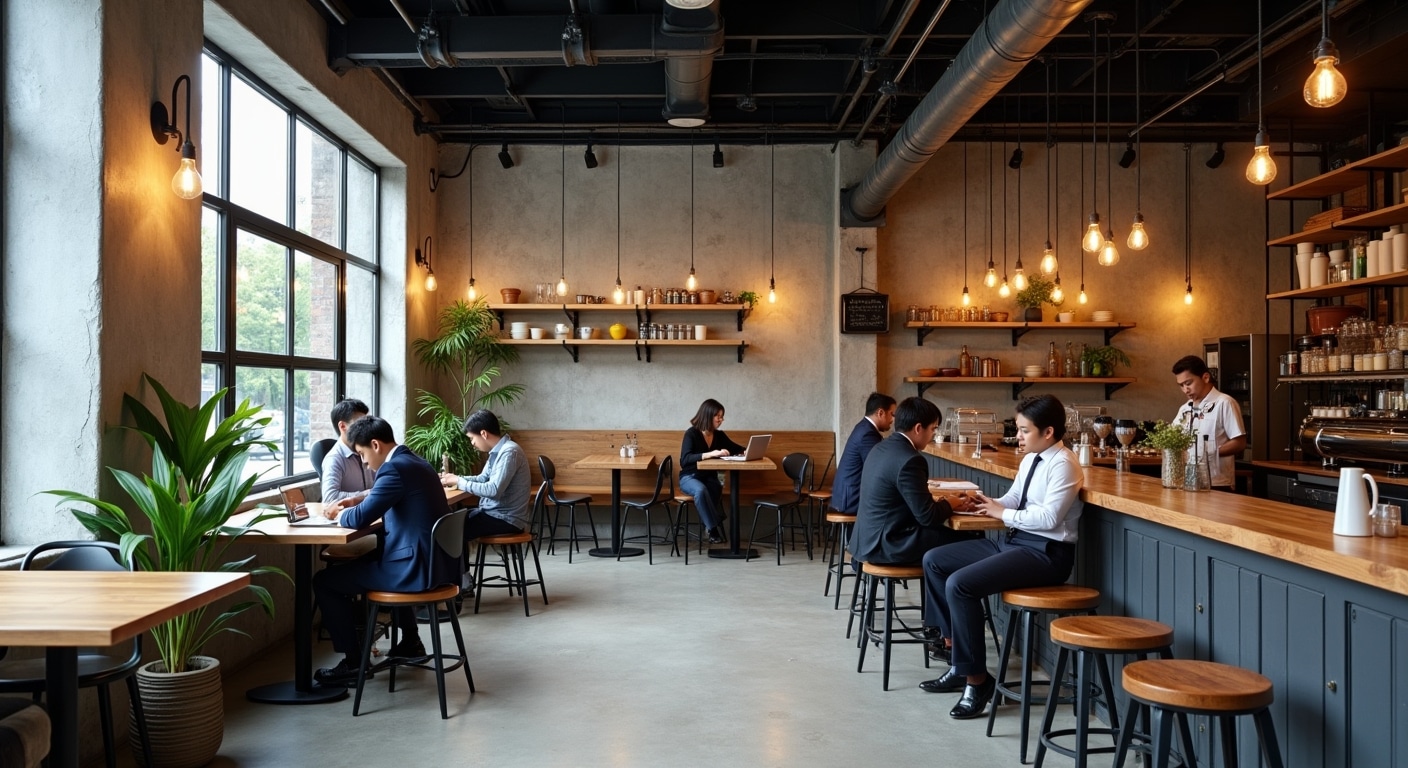
Industrial cafe design remains one of the most popular concepts for cafe owners in Malaysia because it blends raw character, practical materials, and a strong visual identity. From exposed brick and cement finishes to black steel frames and warm wood accents, an industrial cafe design can make a space feel stylish without looking overly polished. The appeal is especially strong in urban areas like Kuala Lumpur, Petaling Jaya, Penang, and Johor Bahru, where customers often look for cafes that feel authentic, photo-worthy, and comfortable enough for long conversations or remote work sessions. The key, however, is knowing how to make the concept work for your location, budget, and target crowd instead of copying the same look seen everywhere else.
In Malaysia, climate, building type, local customer preferences, and day-to-day operations all affect how an industrial interior should be planned. A good industrial concept should not just look cool on Instagram. It should support customer movement, make service efficient, highlight your coffee bar, and stay comfortable in a humid environment. Below are practical industrial cafe design ideas you can adapt whether you are opening a compact neighbourhood espresso bar or refreshing a larger all-day cafe.
What Defines an Industrial Cafe Design?
At its core, industrial cafe design takes inspiration from old factories, workshops, warehouses, and converted urban spaces. Instead of hiding structural elements, the design often celebrates them. You may see exposed ceilings, visible pipes, rough-textured walls, black metal shelving, concrete surfaces, reclaimed wood tables, and vintage-style lighting.
That said, the best industrial spaces are not purely cold or unfinished. In a cafe setting, you still need warmth and hospitality. Customers in Malaysia often expect a place that feels inviting, not harsh. That is why many successful cafes soften industrial elements with timber furniture, plants, warm colour temperatures, fabric seating, and curated decor. If you want inspiration from standout coffee spots around the country, browsing notable destinations in our guide to the best cafes in Malaysia can help you see how different concepts create mood and customer appeal.
Start with the Right Industrial Colour Palette
One of the easiest ways to build an industrial look is through colour. Common foundational tones include charcoal, black, grey, rust, dark brown, and muted earth shades. These colours work well with concrete, steel, brick, and aged wood. However, using too much dark material can make a cafe feel smaller and warmer than intended, especially in compact Malaysian shoplots.
Best colour combinations for Malaysian cafes
A practical approach is to use a balanced palette. Keep larger surfaces such as walls and floors in mid-tone greys or warm neutrals, then bring in black metal details, walnut or oak timber, and a few green elements through indoor plants. If your cafe receives strong natural light, darker accents can look dramatic. If the space has limited daylight, choose lighter cement textures and pair them with warm lighting to avoid a gloomy interior.
You can also use a feature wall to add character without overwhelming the room. Exposed brick-effect finishes, hand-trowelled cement, or textured plaster can all support an industrial cafe design while remaining affordable compared with full structural modifications.
Use Raw Materials, But Keep Them Practical
Industrial interiors are heavily defined by materials. Concrete, brick, iron, steel, glass, leather, and reclaimed timber are all common choices. In reality, cafe owners should consider maintenance just as much as appearance. Surfaces must handle spills, cleaning, humidity, and heavy customer traffic.
Materials that look industrial and work well
Concrete-look tiles are often more practical than unfinished cement floors because they are easier to clean and maintain. Brick veneer or textured wall panels can create the image of exposed brick without structural complications. Powder-coated steel furniture can provide the industrial look while resisting rust better than untreated metal in humid conditions. Solid wood or high-pressure laminate tabletops with a wood finish can also balance durability and visual warmth.
If your concept includes customer-facing equipment or open shelving, think carefully about composition. Black steel frames with timber shelves work well for displaying beans, merchandise, pastries, or brewing accessories. For cafes that want to emphasise coffee knowledge and discovery, linking interior storytelling with educational content such as this coffee guide for Malaysia can strengthen your brand positioning both in-store and online.
Highlight the Coffee Bar as a Focal Point
In many successful cafe layouts, the coffee bar becomes the visual anchor of the room. This is especially effective for industrial cafe design because a coffee machine, grinders, metal fixtures, display shelving, and textured counters naturally fit the theme. When customers walk in, their eyes should be drawn toward the brew bar or cashier, not left searching for where to order.
Ways to make the bar stand out
Consider a bar counter with a concrete or stone-look front, black-framed menu boards, and pendant lamps above the service area. Open shelving can display cups, beans, and brewing tools in a way that feels honest and workshop-inspired. If your space allows it, a semi-open prep area can add theatre and reinforce craftsmanship.
Layout matters too. Queue flow should feel natural, with enough room for takeaway customers and those waiting for dine-in seating. In Malaysia, where many cafes serve both coffee and food, avoid placing pickup points too close to kitchen traffic. A good industrial concept should feel orderly, not cluttered.
Balance Industrial Style with Comfort
A common mistake in industrial interiors is focusing too much on visual impact and too little on customer comfort. Hard materials everywhere may look impressive in photos, but they can create echo, heat retention, and an unwelcoming atmosphere. Malaysian cafe-goers often spend extended periods chatting, working, or meeting clients, so comfort supports longer dwell time and better sales.
Where softness should be added
Use cushioned banquette seating along one wall, upholstered chairs in selected zones, or bench seating with back support. Acoustic panels disguised as decorative features can help reduce noise in concrete-heavy spaces. Curtains are not always suitable for the industrial look, but acoustic solutions, plants, rugs in selected corners, and timber wall detailing can soften the environment without losing the concept.
Fans, airflow, and air-conditioning distribution also matter. Exposed ceilings are visually effective, but they can make a room feel less insulated if mechanical planning is poor. Comfort is not a luxury; it directly affects how customers review and remember your cafe.
Lighting Can Make or Break the Concept
Lighting is one of the most important parts of an industrial cafe design. The wrong lighting can make a stylish space feel harsh, dim, or unflattering. The right lighting creates depth, highlights textures, and supports both customer mood and social media appeal.
Industrial lighting ideas that work
Popular choices include black pendant lamps, metal cage lights, track lighting, wall sconces, and exposed filament bulbs. Still, aesthetics should not override function. Use layered lighting with a mix of ambient, task, and accent lighting. The coffee counter needs stronger illumination for operations, while seating areas should feel warm and relaxed.
Colour temperature is especially important. Warm white lighting often flatters wood, skin tones, brick textures, and food presentation more than cooler white light. Natural daylight should be maximised where possible, as it softens the stronger edges of industrial interiors and helps the space feel more open during the day.
Plan Seating for Different Customer Behaviours
A cafe is rarely used in just one way. Some people come in for a quick coffee, some stay for brunch, and others work on laptops for hours. Your industrial interior should accommodate these different customer behaviours without sacrificing coherence.
Create clear seating zones
Use bar seating near windows for solo customers or quick visits. Install two-top and four-top tables in the centre for casual dining. Add a more comfortable bench or lounge corner for longer stays and group conversations. If your target crowd includes students or remote workers, power points and practical table dimensions become part of the design experience.
This zoning approach is useful not just for daily operations but also for customer perception. People often choose cafes based on the type of visit they want to have. That is one reason many Malaysians enjoy discovering different atmospheres through weekend cafe trips, similar to the routes featured in this Malaysia cafe-hopping guide.
Decor Should Support the Story, Not Overcrowd It
Industrial interiors can easily become over-styled. Too many gears, pipes, signs, and vintage props may make the cafe feel forced rather than authentic. The strongest spaces usually have restraint. They use a few distinctive details repeatedly instead of filling every wall with thematic items.
Decor ideas with impact
Choose one or two signature features, such as a steel-framed partition, a large mural on raw plaster, custom black shelving, or an oversized communal table made from reclaimed wood. Framed coffee origin maps, monochrome photography, subtle neon signage, and carefully placed greenery can all work well. Plants are especially useful in Malaysia because they add freshness and provide visual relief against concrete and metal textures.
Branding should also integrate smoothly into the decor. Your logo, menu boards, packaging area, and takeaway shelf should feel consistent with the interior rather than pasted on later as an afterthought.
Think About the Customer Journey from Entrance to Exit
Good design is not only about finishes; it is also about movement. Customers should immediately understand where to go when they enter, where to order, where to collect items, and where to sit. A cafe with a beautiful industrial aesthetic can still frustrate customers if circulation is awkward.
Questions to ask during planning
Can two people pass each other comfortably in the main aisle? Is the queue blocking seated customers? Is the pastry display visible from the entrance? Are self-service water stations and condiments easy to find? Is there a natural path for takeaway pickups? Design decisions around counters, partitions, and furniture spacing affect both service speed and the overall customer experience.
In smaller Malaysian retail lots, every square foot matters. Multifunctional furniture, wall-mounted shelves, and efficient kitchen transitions can help maintain a clean and spacious industrial look.
Make the Design Social Media Friendly Without Looking Fake
Many cafe owners want a space that photographs well, and that is a valid goal. Social sharing can increase awareness and make your cafe easier to recognise. But a design created only for selfies may age quickly. The better approach is to build a genuinely cohesive environment that naturally creates photo opportunities.
Design elements that photograph well
Textured backdrops, clean signage, natural side lighting, statement pendant lights, attractive tabletop finishes, and a visually strong coffee bar often appear well in photos. Window seats are especially popular because they combine people, coffee, and natural light in a flattering way. If you are planning a feature corner, make sure it does not interfere with service flow or consume valuable seating during busy periods.
Industrial cafe design tends to work well online because of its strong contrast, recognisable textures, and urban feel. Just ensure the space still feels welcoming in person.
Recommended Services for Planning an Industrial Cafe
If you are developing a new cafe or renovating an existing one, working with the right interior design and fit-out professionals can save time, prevent expensive layout mistakes, and help you turn an industrial concept into a cohesive customer experience. Useful support may include space planning, materials selection, custom furniture design, lighting planning, counter design, and 3D visualisation before renovation begins. The best results usually come when visual style, operations, and brand identity are planned together instead of separately.
Common Mistakes to Avoid
Even a strong concept can fail if practical issues are ignored. One common mistake is making the cafe too dark. Another is relying too heavily on cold materials without adding warmth through lighting, wood, greenery, or soft seating. Some owners also spend too much on decorative features while underinvesting in the service counter, kitchen workflow, or customer comfort.
What to avoid in an industrial cafe design
Avoid overcrowding the space with props or overly literal factory-themed decor. Avoid untreated materials that become hard to maintain. Avoid poor acoustics that make the room noisy and tiring. Avoid layouts that prioritise looks over queue management. Most importantly, avoid copying another cafe exactly. Your industrial identity should fit your target audience, pricing, menu, and neighbourhood.
Final Thoughts on Building a Strong Industrial Concept
An effective industrial cafe design is more than exposed brick, metal chairs, and hanging bulbs. It is a thoughtful combination of materials, lighting, comfort, branding, and operational planning. In Malaysia, the most successful industrial-inspired cafes are the ones that adapt the style to local conditions rather than follow trends blindly. They combine raw textures with warmth, visual character with comfort, and design ambition with business practicality.
If you are planning your own space, start with the customer experience you want to create. From there, choose industrial elements that support that experience. When done well, the result is a cafe that feels memorable, functional, and relevant long after the trend cycle moves on.
