

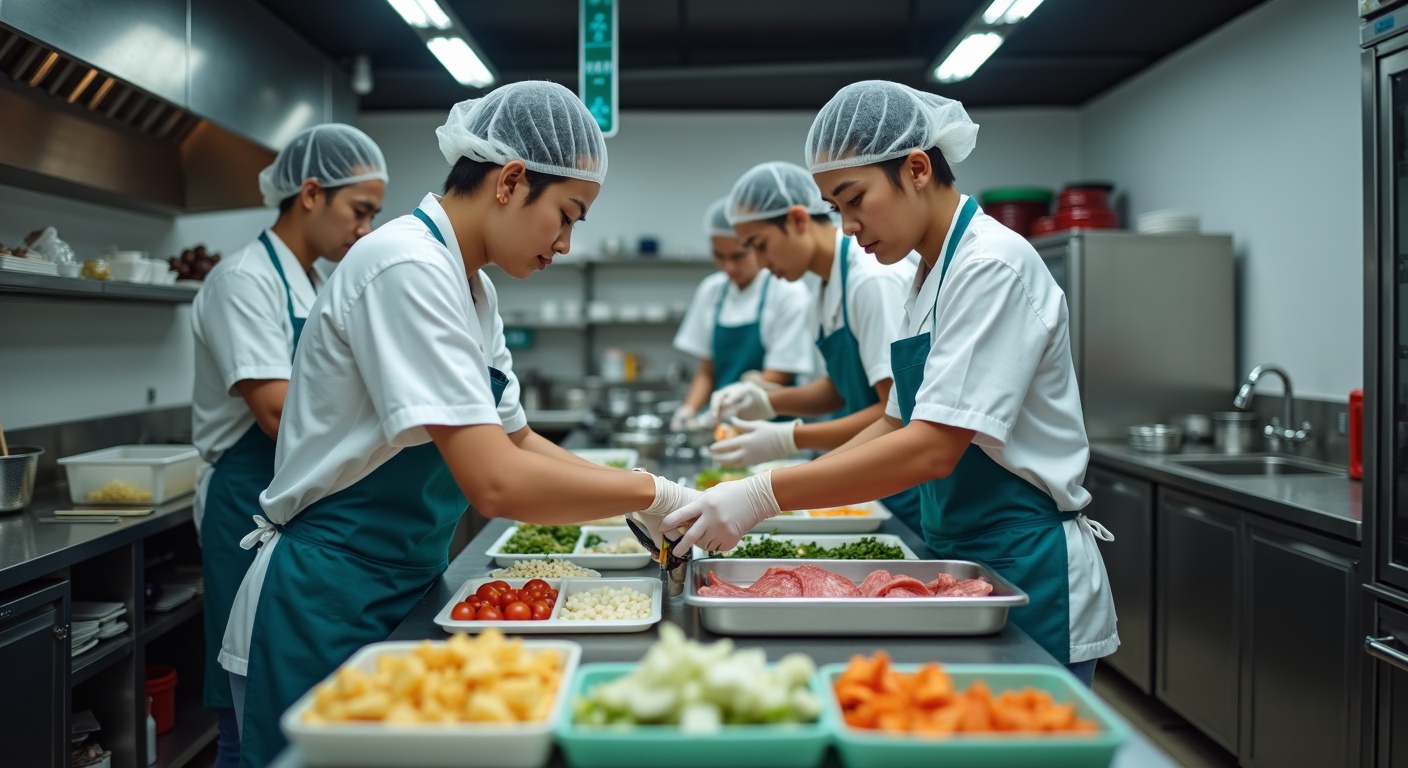
Understanding food safety cafe malaysia requirements is essential for any cafe owner, manager, or operator. In Malaysia, food businesses are expected to follow hygiene standards, safe food handling practices, and licensing conditions set by local councils and health authorities. For cafes, this is not only about passing inspections. Good food safety protects customers, reduces waste, prevents contamination, and helps build a trustworthy brand. Whether you are opening a new outlet or improving operations at an existing one, having clear food safety procedures is a core part of running a sustainable cafe business.
Why food safety matters for cafes in Malaysia
Cafes serve a wide range of food and beverages, from espresso-based drinks and cakes to sandwiches, cooked meals, milk products, syrups, sauces, and ice. Each of these carries different food safety risks. Milk can spoil if left out too long, ready-to-eat food can be contaminated by poor hand hygiene, and improperly cleaned equipment can spread bacteria from one batch to another.
In Malaysia’s warm and humid climate, food can move into the danger zone quickly if temperature control is weak. This makes food storage, refrigeration, cleaning schedules, and staff discipline even more important. Customers also expect visible cleanliness. A tidy bar, clean tables, proper food handling, and staff who understand hygiene standards all affect public confidence.
If you are still planning your cafe setup, it helps to understand how compliance fits into your full launch process. Our guide on starting a coffee shop in Malaysia gives useful context on the operational steps involved before opening day.
Main food safety rules cafes should pay attention to
Food safety compliance in Malaysia involves a combination of legal obligations, practical hygiene controls, and proper documentation. While exact requirements may vary slightly by local authority and business format, most cafes should focus on the following areas.
1. Clean premises and equipment
Your cafe should maintain a clean food preparation area, beverage station, sink area, storage room, and customer-facing service counter. Surfaces that come into contact with food must be cleaned and sanitised regularly. This includes cutting boards, knives, blenders, milk pitchers, refrigerator handles, coffee machine steam wands, counters, and utensils.
Cleaning is not just about appearance. A machine that looks polished can still hold old milk residue or food debris in hidden parts. Daily, weekly, and monthly cleaning checklists help ensure that nothing is missed. Cafes should separate cleaning tools where possible, such as using different cloths for food prep areas and dining surfaces.
2. Safe food storage and temperature control
One of the most important parts of food safety cafe malaysia compliance is controlling temperature. Chilled ingredients such as milk, cream, butter, cakes, meat, and sauces need proper refrigeration. Frozen items must stay frozen until they are thawed correctly. Hot food should be held at safe temperatures if it is not served immediately.
Dry goods also need proper storage. Coffee beans, flour, sugar, syrups, disposable packaging, and canned products should be kept in clean, dry areas away from pests and moisture. Stock should be rotated using a first-in, first-out method so older ingredients are used before newer ones.
Labelling matters too. Opened ingredients should be dated, especially items with shorter shelf life such as dairy, cut fruit, cream toppings, and prepared fillings. This reduces guesswork and helps staff discard food before it becomes unsafe.
3. Personal hygiene for staff
Staff hygiene is a major factor in preventing contamination. Employees handling food and drinks should wash their hands properly, especially after using the toilet, touching rubbish, handling raw ingredients, sneezing, or clearing dirty plates. Hands should also be washed before switching to ready-to-eat food preparation.
Clean uniforms, hair restraints where appropriate, trimmed nails, and minimal jewellery all support safer food handling. Sick staff should not prepare or serve food if they have symptoms that could spread illness. Cafe owners should make this rule clear and practical, so workers feel able to report illness without creating confusion during shifts.
4. Preventing cross-contamination
Cross-contamination happens when harmful bacteria, allergens, or foreign matter move from one item or surface to another. In cafes, this often happens through shared utensils, poor fridge organisation, or inadequate handwashing between tasks.
Examples include using the same knife for raw and ready-to-eat items, storing raw ingredients above cooked food, or preparing allergen-sensitive meals on contaminated surfaces. Even beverage stations can create risks when milk jugs, garnish containers, blenders, and ice scoops are not handled correctly.
Cafes should set clear zones for prep, serving, and washing. Separate storage containers, colour-coded tools, and clear workflow instructions can reduce mistakes during busy periods.
5. Water, ice, and beverage safety
Because cafes serve high volumes of beverages, water and ice safety deserve attention. Ice is food, not just a cooling agent. Ice machines must be cleaned regularly, scoops should be stored hygienically, and staff should never handle ice with bare hands. Water filters, if used, should be maintained on schedule.
Espresso machines, grinders, and milk steaming systems should also be cleaned properly. Poor maintenance can affect both hygiene and drink quality. Steam wands should be purged and wiped after every use. Blender jars, tea tools, and reusable strainers should be washed thoroughly to avoid residue build-up.
Licensing, compliance, and documentation
Food safety is closely linked to legal compliance. For cafe operators in Malaysia, it is important to make sure business licenses, local council approvals, and supporting documentation are in order. Depending on your location and setup, you may need approvals relating to premises, signage, renovation, and food handling. The exact process can vary between municipal councils, so owners should confirm requirements early.
From a legal and operational standpoint, compliance is easier when records are organised. This can include staff training records, cleaning checklists, pest control logs, temperature logs, supplier invoices, maintenance history, and copies of relevant licenses or certificates. Good documentation helps during inspections and shows that your cafe is managing food safety consistently rather than casually.
When planning your budget, remember that compliance has costs too, including sinks, storage racks, thermometers, pest control, uniforms, and cleaning systems. Our guide on cafe startup costs in Malaysia can help you think more realistically about these operational expenses.
Food handler training and medical requirements
Training is one of the most practical investments a cafe can make. Staff should understand handwashing, safe storage, cleaning procedures, waste handling, allergen awareness, and what to do when equipment fails. A written SOP is useful, but real training matters more because staff need to apply the rules during fast-paced service hours.
In Malaysia, food handlers are generally expected to comply with training and health-related requirements applicable to food businesses. Cafe owners should verify the latest requirements with relevant authorities or approved training providers. Keeping copies of certificates and related records is a sensible compliance habit.
New staff should be trained before they begin handling food independently. Refresher training is also helpful when menu items change, new equipment is introduced, or recurring hygiene mistakes appear.
Waste management and pest prevention
Food waste, used packaging, and wet rubbish can quickly create hygiene problems if not managed well. Bins should be lined, covered where appropriate, and emptied frequently. Waste areas should be cleaned to avoid smells, leaks, and pest attraction.
Pest prevention is part of food safety, not a separate issue. Cockroaches, flies, ants, and rodents can contaminate surfaces, ingredients, and storage areas. Cafes should inspect delivery boxes, seal food containers, fix leaks, and avoid leaving food scraps overnight. Grease traps, drains, storerooms, and back-of-house corners deserve regular checks.
If a cafe uses external contractors for sanitation-related support, owners should keep service records and monitor results. Prevention works best when cleaning, maintenance, and inspections are treated as one system.
Allergen awareness in cafe operations
Many cafe menus include common allergens such as milk, eggs, nuts, soy, wheat, and seafood ingredients in sauces or toppings. Customers may ask whether a cake contains nuts, whether a sandwich sauce has egg, or whether oat or soy milk was prepared with shared tools. If staff are unsure and answer casually, the risk can be serious.
Cafes should maintain ingredient awareness for each menu item and brief staff on how to respond honestly to customer questions. If cross-contact cannot be fully avoided, that should be communicated clearly rather than guessed. Simple recipe sheets and product labels can help service teams answer more accurately.
How to prepare for inspections
Inspections are easier when food safety is already built into daily routines. Trying to clean everything only before a visit is not a reliable strategy. Instead, cafes should aim for consistency in these areas:
- Premises are clean and organised
- Chillers and freezers are functioning properly
- Food is labelled and stored correctly
- Staff practise good personal hygiene
- Cleaning records and training records are available
- Waste is controlled and pest risks are minimised
- Licenses and compliance documents are accessible
Managers can conduct simple internal checks weekly. Walk through the cafe as if you were the inspector. Open the fridge, inspect the sink area, review labels, check under counters, and ask staff basic food safety questions. Small issues are much easier to fix early than after a complaint or enforcement action.
Common food safety mistakes in Malaysian cafes
Using refrigerators without monitoring temperature
A fridge that is cold sometimes is not enough. Temperatures should be checked regularly, especially in high-volume outlets where doors are constantly opened.
Leaving milk out during busy hours
Milk used for coffee service is often exposed repeatedly. Baristas need routines for returning milk promptly to chilled storage and avoiding reuse of old steamed milk.
Weak cleaning discipline at the beverage bar
Because the espresso bar looks neat from the front, hidden hygiene issues can be overlooked. Steam wands, drip trays, cloths, blender seals, and ice bins need strict cleaning routines.
Unclear responsibility between shifts
When no one owns the cleaning checklist, jobs get missed. Opening and closing duties should be assigned specifically, not assumed.
Poor record keeping
Even when a cafe is operating well, missing documents can create problems during inspections or disputes. Keep records updated and stored in one place.
Building a food safety culture, not just a checklist
The strongest cafes treat food safety as part of everyday culture. That means managers lead by example, staff understand why procedures matter, and systems are simple enough to follow consistently. A culture-based approach is especially important in cafes because service is fast, teams are often young, and menus can evolve quickly.
Start with practical habits: label everything properly, clean as you go, verify temperatures, train new hires, and review incidents without blame. These habits reduce risk while improving operational discipline overall. They also support customer trust, which is valuable for repeat business and online reviews.
Once your operations are stable and compliant, marketing becomes easier because your brand experience is more reliable. If you are working on growth after getting your fundamentals right, our article on cafe marketing in Malaysia shares ideas for attracting and retaining more customers.
Recommended services for cafe operators
If you are opening or managing a cafe, it can help to get professional advice on licenses, compliance steps, and documentation so nothing important is missed during setup or renewal. This is especially useful when dealing with local authority requirements, tenancy conditions, or operational paperwork that affects food business compliance. A good advisor can help you stay organised without overcomplicating the process.
Final thoughts
Following food safety cafe malaysia best practices is not just about avoiding penalties. It is about protecting customers, supporting staff, preserving product quality, and building a cafe people trust. Clean equipment, safe temperatures, trained staff, proper records, and legal compliance all work together. For Malaysian cafe owners, the best approach is to make food safety part of daily operations from the beginning rather than treating it as an occasional task.
