

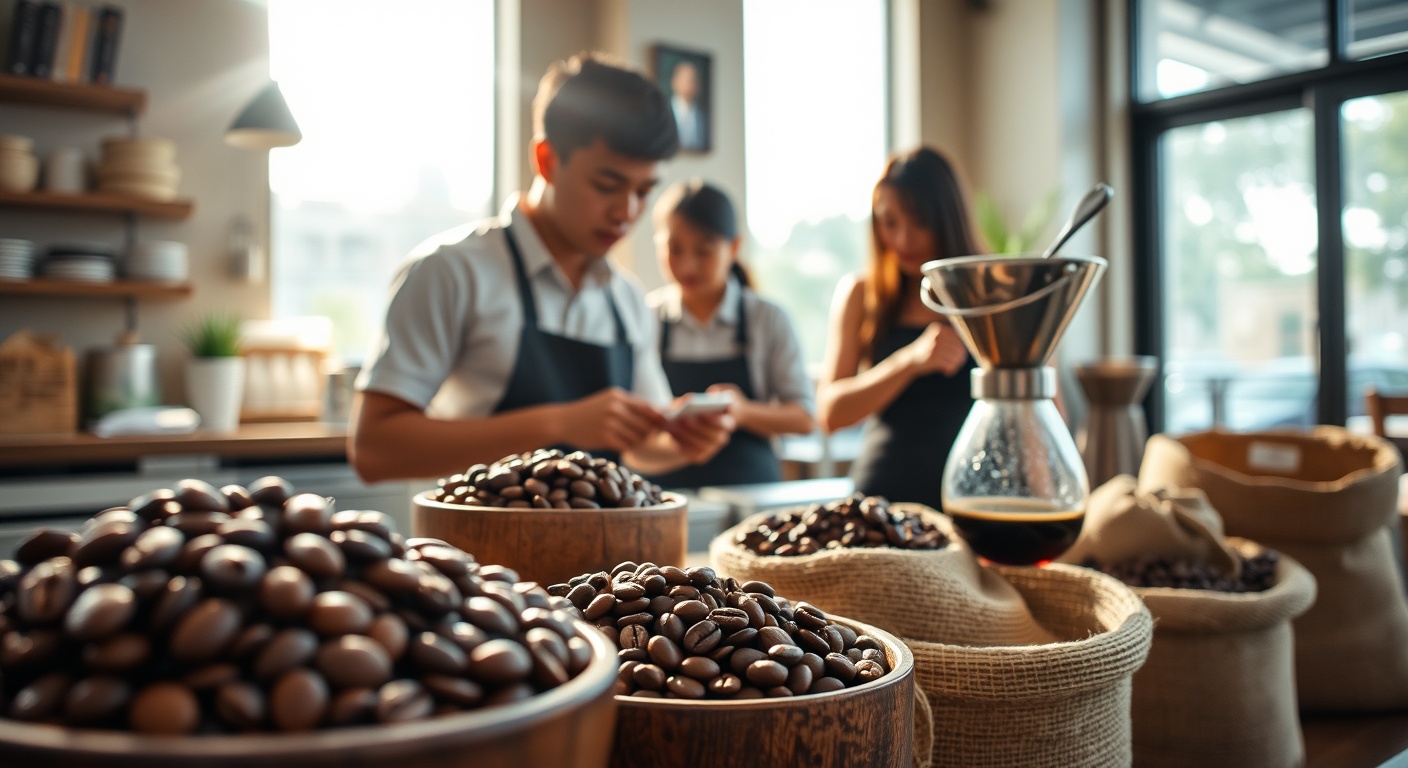
Finding the best coffee beans malaysia has to offer can feel overwhelming, especially when supermarket shelves, specialty roasters, and online stores all promise great flavour. In reality, the right beans depend on what you enjoy drinking, how you brew at home, and whether you prefer local roasters, imported single origins, or dependable blends for daily use. In Malaysia, coffee culture has grown far beyond traditional kopitiam styles, with more consumers exploring espresso, pour-over, French press, AeroPress, and bean-to-cup setups. This guide breaks down what to look for when buying coffee beans in Malaysia, how to compare options, and which bean styles tend to work best for different preferences and brewing methods.
Why Malaysia Is a Great Place to Buy Coffee Beans
Malaysia has become an increasingly exciting market for coffee drinkers. You can now find specialty roasters in Kuala Lumpur, Petaling Jaya, Penang, Johor Bahru, Melaka, and East Malaysia, alongside reliable online retailers serving the whole country. This means fresher roasting schedules, a wider range of origins, and more options for both casual drinkers and serious home brewers.
Another advantage is accessibility. Many coffee brands in Malaysia sell directly through their own websites, marketplaces, and social channels, so buyers can compare roast dates, tasting notes, and grind options without much hassle. If you are still learning what affects flavour in the cup, it helps to start with a broader understanding of bean styles and roast profiles through this coffee beans guide for beginners and enthusiasts.
What Makes a Coffee Bean “Best” for You?
The term “best” is subjective. The best coffee beans for one person may taste too acidic, too bitter, or too light for another. Before buying, think about these factors.
1. Bean Origin
Single-origin beans come from one country, region, or farm and often highlight distinctive flavour notes. Ethiopian beans may taste floral or citrusy, Colombian beans can be balanced and sweet, while Brazilian coffees are often nutty and chocolatey. Blends combine beans from different origins to create a more consistent flavour and are popular for espresso.
2. Roast Level
Light roasts usually preserve acidity, fruitiness, and origin character. Medium roasts balance sweetness, body, and brightness. Dark roasts bring stronger bitterness, roastiness, and a heavier body. In Malaysia, medium to medium-dark roasts are popular because they work well with milk-based drinks and suit local preferences for fuller flavours.
3. Freshness
Freshly roasted beans matter. Ideally, buy beans with a clear roast date instead of just an expiry date. For most home users, beans brewed within two to six weeks after roasting offer a good balance of flavour and degassing, especially for espresso.
4. Brewing Method
Different brewing styles suit different beans. An espresso machine often performs best with balanced blends or medium-dark beans, while pour-over can highlight delicate single origins. If you want to match your bean choice to your setup, this guide to coffee brewing methods is a useful next read.
5. Personal Taste
If you enjoy kopi-style intensity, you may prefer bold, chocolatey, lower-acidity beans. If you like clean, tea-like cups, lighter-roasted African coffees can be more suitable. There is no universal winner, only beans that suit your palate.
Popular Types of Coffee Beans Available in Malaysia
Arabica
Arabica is the most common species in specialty coffee and is widely available in Malaysia. It generally offers more nuanced flavours, higher acidity, and greater aromatic complexity. If you buy from specialty roasters, most options will be Arabica.
Robusta
Robusta has higher caffeine, heavier body, and a stronger, earthier taste. It is common in traditional coffee styles and commercial blends. In milk drinks or stronger brews, Robusta can add punch and crema, though it tends to be less delicate than Arabica.
Liberica
Liberica is particularly interesting in the Malaysian context. It has a unique profile that can be woody, smoky, fruity, or jackfruit-like depending on processing and roasting. While not as common in mainstream specialty offerings, Liberica is part of Southeast Asia’s coffee story and worth trying if you want something distinctly regional.
Best Coffee Bean Profiles for Different Drinkers
For Espresso Lovers
Look for blends with chocolate, caramel, hazelnut, or brown sugar notes. These tend to pull balanced shots and pair well with milk. Medium or medium-dark roasts are generally easiest to dial in for home espresso machines.
For Long Black or Americano Drinkers
A balanced single origin from Colombia, Guatemala, or Brazil often works well. You get sweetness and body without the sharpness that some very light roasts can show when diluted.
For Latte and Cappuccino Fans
Choose beans with bold sweetness and low-to-medium acidity. Notes like cocoa, roasted nuts, toffee, and dark chocolate cut through milk nicely. Cafes in Malaysia often choose this style because it appeals to a broad customer base.
For Pour-Over Enthusiasts
Try lighter-roasted Ethiopian, Kenyan, Rwandan, or washed Central American coffees. These can deliver floral aromas, citrus brightness, berry notes, and clean sweetness when brewed carefully.
For French Press or AeroPress Users
Medium roasts are often the safest starting point. They provide a satisfying balance of body and clarity and are less likely to taste either too thin or too harsh.
How to Choose Coffee Beans from Malaysian Roasters
Not every buyer needs to chase rare beans or expensive competition lots. A good local roaster should provide enough detail to help you make a smart purchase.
Check the Roast Date
Always prioritise bags with a visible roast date. If there is no roast date, freshness becomes harder to judge. This is especially important in Malaysia’s warm and humid climate, where storage and turnover affect quality quickly.
Read Tasting Notes Realistically
Tasting notes are a guide, not a promise. If a bag says “strawberry jam, jasmine, and honey,” it does not mean your cup will taste like flavoured coffee. It means those are the roaster’s sensory references. For most people, broad descriptors such as fruity, nutty, chocolatey, bright, or full-bodied are more useful.
Look at Processing Method
Washed coffees are often cleaner and brighter. Natural-processed coffees can be fruitier and heavier. Honey-processed coffees sit somewhere in between. If you are new to specialty coffee, washed and balanced natural beans are usually easier to enjoy consistently.
Match the Grind Option Carefully
Whole beans are best if you have your own grinder. Pre-ground coffee loses aroma faster and may not match your exact brewing setup. For home users and cafes alike, a reliable grinder can make as much difference as the beans themselves.
Best Places to Buy Coffee Beans in Malaysia
Specialty Coffee Roasters
Specialty roasters are often the best choice if you want transparency, fresher stock, and more curated selections. Many offer subscriptions, brew guides, and seasonal releases. This is ideal for coffee drinkers who want to explore different origins over time.
Online Coffee Stores
Online shopping is convenient for buyers outside major cities or those who want regular deliveries. Look for stores with clear roast dates, shipping information, and bean profiles. Fast shipping matters, especially if you are buying freshly roasted beans.
Cafes That Roast In-House
Some cafes in Malaysia roast their own beans and sell bags directly. This can be a good way to taste before you buy. If you already like the espresso or filter coffee at a cafe, their retail beans are a natural starting point.
Supermarkets and Premium Grocers
These can be acceptable for convenience, but freshness varies. Imported beans may have spent more time in transit and on shelves. If you do buy from a supermarket, inspect packaging dates and storage conditions carefully.
How Price Affects Quality
Price matters, but expensive does not always mean better for your taste. Entry-level blends can be excellent everyday options, while premium single origins may shine only if your grinder and brewing method can bring out their complexity. In Malaysia, you will usually pay more for microlots, competition-level coffees, and imported premium beans. For most people, the sweet spot is a dependable freshly roasted medium or medium-light coffee from a local roaster.
If you are building a home setup or sourcing for a cafe, it also helps to consider grinders, brewers, espresso machines, and dependable suppliers together, not in isolation. Good beans can underperform if paired with inconsistent equipment or poor storage.
Storage Tips for Malaysia’s Climate
Heat and humidity can reduce coffee quality faster than many people realise. To keep beans tasting better for longer:
- Store them in an airtight container.
- Keep them away from sunlight and heat.
- Avoid opening and closing the bag too often.
- Buy smaller quantities if you drink slowly.
- Do not refrigerate beans unless you know how to manage moisture risks properly.
For most households, buying enough for two to four weeks is more practical than stocking up on large bags.
Common Buying Mistakes to Avoid
Choosing Only by Roast Darkness
Many buyers assume darker beans are stronger or better. In fact, roast level mainly affects flavour style. A medium roast can still be full-bodied and satisfying.
Ignoring Brew Compatibility
Beans that taste excellent as pour-over may not perform the same way in espresso. Always buy with your main brew method in mind.
Buying Too Much at Once
Large bags may look more economical, but stale coffee is wasted coffee. Freshness often matters more than saving a few ringgit per cup.
Not Upgrading the Grinder
Many people blame the beans when the real issue is inconsistent grind size. For anyone serious about improving coffee at home, a grinder upgrade often gives more noticeable results than chasing expensive beans.
How to Find Your Favourite Coffee Beans in Malaysia
A practical approach is to try three styles side by side: a chocolatey blend, a balanced single origin, and a fruit-forward lighter roast. This quickly shows whether you prefer body, sweetness, or brightness. Keep short notes on what you liked about each bag, such as acidity, sweetness, aftertaste, or how it performed with milk.
It also helps to understand how coffee habits differ across the country, from traditional kopitiam preferences to the rise of specialty cafes and modern home brewing. For a broader overview of local trends and coffee culture, explore this Malaysia coffee guide.
Are Local Malaysian Coffee Beans Worth Trying?
Yes, especially if you are interested in regional character and supporting local producers or roasters. While imported Arabica still dominates the specialty scene, local and regional coffees, including Liberica and Southeast Asian profiles, offer something different from the usual Latin American and African selections. They may be less conventional, but they can be memorable and highly suited to local tastes.
Useful Tools and Resources for Buying Better Coffee Beans
If you want to get more from your beans, these tools and resources can make a real difference:
- A burr grinder for more consistent extraction.
- A digital scale for repeatable brewing ratios.
- A gooseneck kettle for pour-over control.
- An airtight container for fresher storage.
- A brew journal or notes app to track bean preferences.
- Trusted coffee equipment, machines, grinders, and supplier support if you are setting up a serious home station or planning a cafe.
Final Thoughts
The best coffee beans malaysia consumers can buy are the ones that fit their taste, brew method, and freshness expectations. For some people, that means a chocolatey espresso blend for daily milk coffees. For others, it is a bright Ethiopian single origin for weekend pour-overs. Start with fresh beans, buy from transparent sellers, match your coffee to your brewing setup, and take notes as you explore. Over time, you will develop a much clearer idea of what “best” really means for your own cup.
