

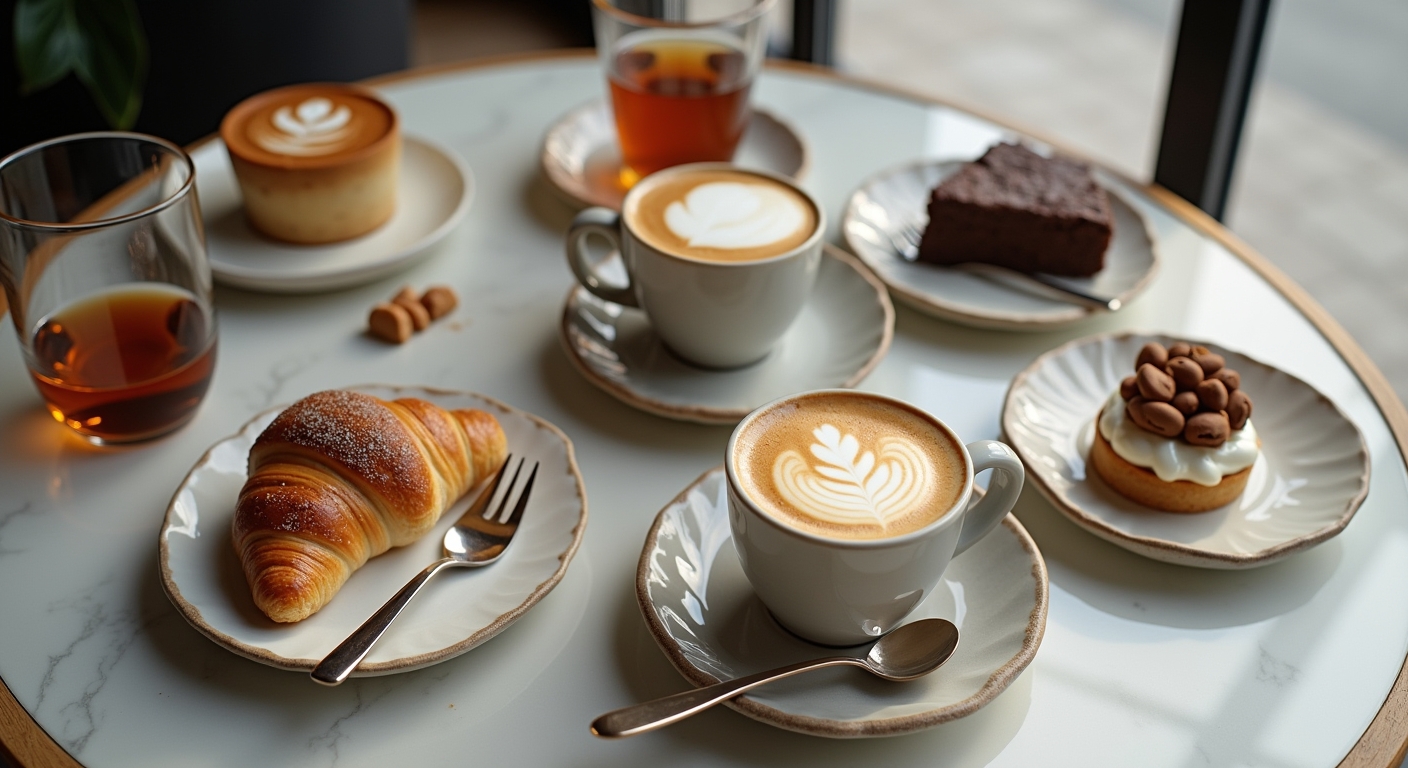
Coffee and food can bring out the best in each other when they are matched with a little thought. A good coffee food pairing is not about complicated rules or expensive tasting menus. It is about balancing sweetness, acidity, bitterness, body and aroma so that every sip and bite feels more enjoyable. Whether you are having a flat white with breakfast, a pour-over with cake, or a strong black coffee with a local kuih in Malaysia, the right pairing can make familiar flavours feel new again.
This guide explains the basics of coffee food pairing in a practical way. You will learn how to match different coffee styles with pastries, desserts, savoury dishes and local favourites, plus how brewing method affects what works on the plate. If you want a broader overview of pairing principles and tasting ideas, start with our complete coffee pairing guide and then use this article as a quick reference for everyday choices.
What makes coffee food pairing work?
The best coffee food pairing usually comes down to four simple ideas: complement, contrast, intensity and texture.
1. Complement matching flavours
Complementary pairing means choosing food that shares a flavour note with the coffee. A chocolatey Brazilian-style espresso often works beautifully with brownies, chocolate croissants or cocoa-based desserts. A fruity Ethiopian filter coffee can pair well with berry tarts or citrus cake because the fruit notes connect naturally.
2. Contrast creating balance
Contrast can be just as effective. Bright, acidic coffee can cut through buttery pastries. A rich milk-based drink can soften the saltiness of a breakfast sandwich. Bitter espresso can balance a sweet dessert, stopping it from becoming too heavy.
3. Matching intensity
Light foods can be overwhelmed by a very bold coffee, while delicate brews may disappear next to strongly seasoned dishes. A dense chocolate cake usually needs a fuller-bodied coffee. A simple butter cake may be better with a lighter filter brew or a standard long black.
4. Considering texture and mouthfeel
Texture matters more than many people realise. Creamy coffees such as lattes and cappuccinos often match well with crisp pastries because the textures play off each other. A syrupy espresso with a fudgy dessert can feel luxurious, while a clean pour-over with flaky pastry keeps the palate refreshed.
How to judge a coffee before pairing it
Before choosing food, think about the coffee in front of you. You do not need professional cupping skills. Just notice a few key traits.
Sweetness
Coffees with natural sweetness are very flexible. They pair well with pastries, breakfast items and many desserts because they do not fight for attention.
Acidity
Acidity in coffee is not a fault. In specialty coffee, it often means lively, fruit-like brightness. High-acid coffees work nicely with fruit desserts, yoghurt, cheesecakes and buttery foods that benefit from a fresher finish.
Bitterness
Bitterness can add structure when used well. Darker roasts, espresso and some robust local brews can handle sweet pastries and rich foods because the bitter edge creates balance.
Body
Body refers to how heavy or light the coffee feels in the mouth. Full-bodied coffees suit richer foods, while lighter-bodied brews generally pair better with simpler cakes, fruits or mild savoury items.
If you are still figuring out why one cup feels heavier or brighter than another, learning more about different coffee brewing methods can help because brew style changes body, clarity and flavour intensity.
Best pairings for espresso-based coffee
Espresso drinks are some of the easiest coffees to pair because they are familiar, versatile and commonly served in Malaysian cafes.
Espresso with chocolate desserts
A straight espresso pairs naturally with dark chocolate cake, brownies, tiramisu and chocolate tart. The concentrated coffee flavour holds its own, while the dessert softens espresso bitterness. This is one of the safest coffee food pairing choices for anyone who likes strong flavours.
Americano or long black with breakfast pastries
An Americano or long black usually has enough bitterness to contrast buttery pastries such as croissants, pain au chocolat or Danish pastries. If the coffee has caramel and nut notes, it also works well with banana bread or muffins.
Latte with light cakes
The milk in a latte makes the drink softer and sweeter, which suits lighter desserts like sponge cake, butter cake and simple cookies. Lattes are also approachable with less sweet bakery items, especially in casual cafe settings.
Cappuccino with cinnamon or nutty pastries
Cappuccinos pair well with cinnamon rolls, almond croissants and hazelnut pastries. The foam gives a creamy texture, while the espresso underneath keeps the pairing from feeling too sweet.
Mocha with simple bakes
Because mocha already combines coffee and chocolate, it is better with simpler foods such as plain croissants, butter cookies or lightly sweet cakes. Pairing mocha with an intense chocolate dessert can sometimes feel too heavy.
Best pairings for filter coffee and pour-over
Filter coffee is often more transparent in flavour than milk-based drinks, so pairing should be more intentional. This style can reveal floral, citrus, berry, stone fruit or tea-like notes, depending on origin and roast.
Fruity filter coffee with berry desserts
If your pour-over tastes of berries or citrus, pair it with fruit tart, lemon loaf, blueberry muffin or cheesecake with fruit topping. The acidity in both the coffee and dessert can feel fresh rather than sharp when balanced properly.
Nutty filter coffee with baked goods
A nutty, caramel-like filter coffee works very well with scones, butter cake, shortbread and banana bread. These pairings are comforting and easy to serve in cafes because they appeal to a wide range of customers.
Floral or tea-like coffee with delicate sweets
More delicate filter coffees should be matched with lighter foods such as madeleines, plain sponge cake or mild butter biscuits. Strongly flavoured desserts can easily cover up subtle coffee notes.
Pairing coffee with savoury food
Many people focus only on coffee and desserts, but savoury pairings can be excellent too. The key is to avoid making the coffee seem overly bitter or the food seem flat.
Black coffee with egg-based breakfasts
Long black, Americano and some filter coffees pair nicely with scrambled eggs, omelettes and toast. The coffee cuts through butter and fat, especially when the dish is simple rather than heavily spiced.
Flat white with sandwiches
A flat white can work with chicken sandwiches, mushroom toast or grilled cheese because the milk smooths out acidity while keeping enough coffee flavour to stay noticeable.
Avoid very spicy pairings
Highly spicy food can clash with coffee by making bitterness more obvious and acidity feel awkward. In Malaysia, if you are pairing coffee with savoury local dishes, choose milder options rather than very spicy or sambal-heavy plates.
Malaysian-style coffee food pairing ideas
Malaysia has a rich food culture, and local coffee pairings deserve attention too. Whether you prefer specialty brews or traditional kopitiam-style coffee, there are plenty of combinations that feel familiar and satisfying.
Kopi with kaya toast
This is a classic for a reason. The roastiness and sweetness of kopi pair well with buttery kaya toast. The coffee provides depth, while the kaya adds sweetness and richness. It is simple, balanced and deeply nostalgic.
White coffee with egg tarts
Ipoh-style white coffee is often smooth, slightly sweet and easy to drink. It pairs nicely with egg tarts because both have a gentle richness that does not overwhelm the palate.
Black coffee with banana fritters or kuih
Strong black coffee can cut through fried snacks such as pisang goreng. It also works with mildly sweet kuih, especially those with coconut, pandan or palm sugar notes. These flavours can echo coffee sweetness while the bitterness prevents the pairing from becoming cloying.
Specialty latte with onde-onde or pandan cake
Modern Malaysian cafe menus often mix local dessert flavours with espresso drinks. A latte can match onde-onde-inspired cakes, pandan chiffon or gula melaka desserts because milk softens stronger roasted notes and lets the dessert flavours shine.
For readers exploring the wider local scene, our Malaysia coffee guide covers the country’s coffee culture, from traditional favourites to specialty trends.
Simple pairing rules by roast level
Roast level gives you a quick shortcut when choosing food.
Light roast
Usually brighter and more delicate. Pair with fruit desserts, mild cakes, soft pastries and lighter breakfast items.
Medium roast
Often the most flexible. Pair with cookies, cakes, croissants, sandwiches and many everyday cafe foods.
Dark roast
Typically bolder, more bitter and fuller-bodied. Pair with chocolate desserts, caramel sweets, buttery pastries and richer foods that can handle the intensity.
Common coffee pairing mistakes to avoid
Pairing sweet drinks with very sweet desserts
A flavoured latte with a sugary cake can become one-dimensional. In many cases, either choose a less sweet coffee or a simpler pastry.
Ignoring brew method
The same bean can taste very different as espresso, French press or pour-over. Brew method changes body and clarity, which means the ideal food pairing can also change.
Using one rule for everyone
Taste is personal. Some people love contrast, while others prefer matching flavour notes. Use guidelines as a starting point, then adjust based on your own preferences.
Overpowering subtle coffees
If you paid for a delicate geisha or a high-acid washed Ethiopian brew, pairing it with a heavy chocolate brownie may waste its best qualities.
How cafes can build better pairing menus
For cafe owners in Malaysia, a pairing menu does not need to be formal. A short recommendation beside featured drinks can improve customer confidence and increase add-on orders. For example, suggesting a citrus loaf with a fruity filter coffee or a brownie with a double espresso makes ordering easier.
Seasonal pairings also work well. During festive periods, cafes can match signature drinks with local-inspired cakes or pastries. The important thing is clarity: keep recommendations simple, realistic and based on what the average guest will actually enjoy.
A practical way to test your own pairings
If you want to improve your coffee food pairing skills at home or in a cafe, try this easy method. Brew one coffee and test it with three foods: one sweet, one buttery and one fruity. Note whether the coffee tastes sweeter, more bitter, more acidic or more balanced with each bite. Then repeat using a different brew method or roast level.
Over time, patterns become clear. You may discover that you prefer pour-over with fruit-based desserts, or cappuccino with nutty pastries, or kopi with traditional breakfast foods. The more combinations you try, the easier pairing becomes.
Final thoughts on coffee food pairing
A successful coffee food pairing should make both the drink and the food taste better together than they do alone. Start with balance, pay attention to sweetness and intensity, and think about the texture of the whole experience. From espresso and brownies to kopi and kaya toast, there is no shortage of rewarding combinations to explore in Malaysia.
If you enjoy practical coffee guides like this, subscribe to the Expresso Malaysia newsletter for more tips on brewing, cafe trends and better coffee experiences.
