

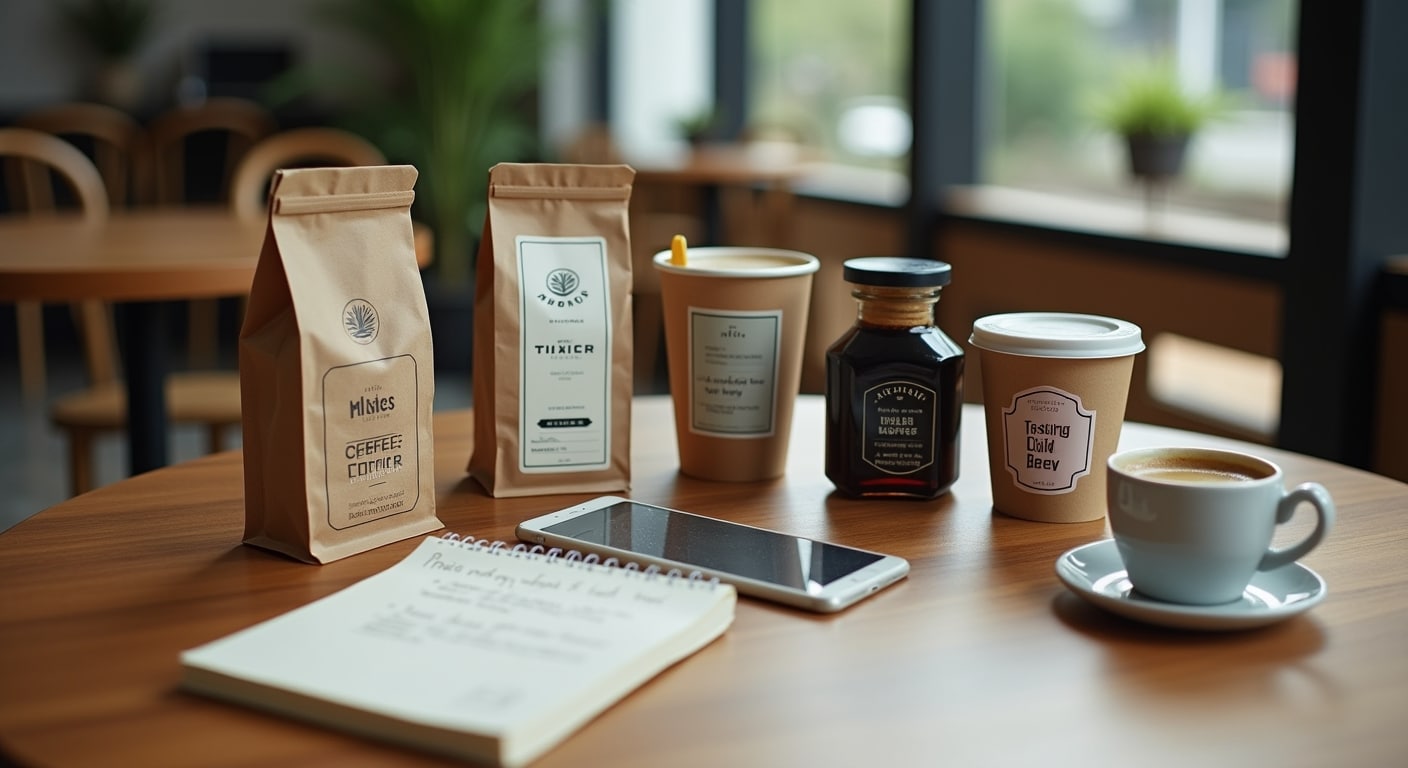
Malaysia’s coffee scene has grown far beyond supermarket staples and kopitiam favourites. Today, anyone searching for a reliable local coffee brands malaysia review will find a market filled with specialty roasters, heritage-style blends, ready-to-drink options, and brands that cater to home brewers, offices, and cafes. For coffee drinkers, that means more choice. For cafe owners and F&B operators, it also means more decisions around consistency, pricing, bean quality, and equipment compatibility.
This review looks at what makes local coffee brands in Malaysia worth considering, how they compare by style and use case, and what to watch for before buying. Rather than treating every brand the same, it helps to group Malaysian coffee brands by what they do best: traditional local taste, modern specialty roasting, convenience, or business-friendly supply. If you are still comparing the wider market, our guide to the best coffee brands in Malaysia gives broader context before you narrow down to local names.
Why local coffee brands in Malaysia are gaining attention
Local brands have several practical advantages. First, they usually understand Malaysian taste preferences better than overseas labels. Some consumers want a bold, roasty cup similar to what they enjoy at a kopitiam, while others prefer lighter specialty roasts with fruity acidity. Malaysian brands increasingly cover both ends of that spectrum.
Second, local supply can be more responsive. Freshness matters, especially for whole beans and ground coffee. Buying from a local roaster often means shorter delivery times and more recent roast dates. This is especially useful for home brewers who want better flavour extraction and for cafes that need regular stock movement.
Third, many Malaysian brands are adapting their offers for different customer groups. A casual drinker may want easy drip bags or capsules. A home enthusiast may want single-origin beans. A cafe may need stable blends, wholesale pricing, and advice on coffee machines, grinders, or supplier support. That flexibility is one reason local brands continue to grow.
How to evaluate local coffee brands in Malaysia
A useful local coffee brands Malaysia review should go beyond naming brands. The better question is: what makes one brand right for your needs? Here are the main criteria to use.
1. Roast style and flavour profile
Some local brands focus on dark, intense profiles with chocolatey, nutty, and roasted notes that suit milk-based drinks well. Others offer lighter or medium roasts with floral, citrus, berry, or caramel characteristics. If you enjoy espresso with milk, a balanced medium-dark blend often works best. If you brew filter coffee, a lighter roast may be more interesting.
2. Freshness and roast date
Freshly roasted beans usually offer better aroma and extraction than coffee that has been sitting too long on the shelf. Brands that display roast dates clearly tend to inspire more confidence, especially among regular brewers.
3. Product format
Not everyone buys coffee the same way. Some brands specialise in whole beans and ground coffee, while others are strong in instant coffee, sachets, capsules, bottled coffee, or drip bags. The best format depends on your routine and equipment.
4. Price versus value
Cheaper does not always mean better value. A slightly higher-priced local brand may offer better consistency, traceability, packaging, and customer support. For cafes, poor consistency can lead to waste, unhappy customers, and repeated dial-in problems.
5. Suitability for home or commercial use
A coffee that tastes good at home may not perform well in a busy cafe environment. Commercial users should also consider whether the brand or supplier can advise on machines, grinders, brewer calibration, and restocking schedules.
Types of local coffee brands in Malaysia
Malaysia’s coffee market is easier to understand when you divide it into a few broad categories.
Traditional and heritage-style brands
These are the brands closest to the local everyday coffee experience. They may produce roasted coffee with margarine, sugar, or classic-style bean blends associated with kopitiam culture. The flavour is usually bold, earthy, and familiar, making it appealing to drinkers who want comfort and consistency rather than acidity or experimental notes.
These brands are often strong in retail distribution and can be a practical choice for households seeking a dependable daily cup at an affordable price.
Specialty local roasters
This category has expanded rapidly in Klang Valley, Penang, Johor Bahru, Melaka, and other urban areas. Specialty local brands typically focus on single origins, curated blends, transparent sourcing, and fresher roasting. They appeal to coffee enthusiasts who brew espresso, V60, French press, AeroPress, and batch brew at home.
If you are unsure which coffees suit your brewing method, it helps to compare roast levels, origins, and grind settings with a practical coffee beans guide before committing to a brand.
Convenience-focused brands
Some local brands are built around accessibility: instant sachets, ready-to-drink products, capsules, or drip bags. These are ideal for busy professionals, office pantries, and consumers who want better flavour without extra brewing steps.
While convenience formats may not always deliver the complexity of freshly ground beans, many Malaysian brands have improved significantly in taste and packaging quality.
Business-oriented coffee suppliers
This group matters most for cafes, restaurants, hotels, and offices. These local brands often do more than sell beans. They may assist with coffee equipment selection, espresso machines, grinders, calibration, and training support through supplier networks. For operators, this can be far more valuable than simply choosing the cheapest beans available.
What local coffee brands in Malaysia usually do well
Understanding local preferences
Malaysian drinkers have diverse expectations. Some want strong kopi-O intensity, some prefer cafe-style flat whites, and others are exploring specialty filter coffee. Local brands are generally better positioned to create products around these preferences compared with one-size-fits-all imports.
More accessible pricing
Imported coffee often comes with higher logistics costs, taxes, and markups. A local brand can sometimes offer a better price-to-quality ratio, especially in the mid-range segment where many home brewers shop.
Faster restocking and easier communication
For recurring buyers, especially businesses, easy communication matters. Local roasters and suppliers are often more reachable when you need urgent replenishment, wholesale updates, or changes in order volume.
Stronger relevance for cafe operations
Many Malaysian coffee brands understand local drink menus, from black coffee and iced lattes to sweet, milk-heavy beverages that are popular in local cafes. That means their blends are often designed to perform under real operating conditions, not just to taste good in a cupping room.
Potential drawbacks to consider
Quality can vary widely
The strength of the local market is variety, but that also means inconsistency across brands. Some are excellent and transparent. Others rely on branding more than cup quality. Reviews, sample packs, and trial purchases help reduce risk.
Not every brand suits every brewing method
A dark traditional roast may be ideal for a strong breakfast cup but less suitable for a delicate pour-over. Likewise, a light-roast Ethiopian coffee may be exciting for filter brewers but too acidic for customers expecting a chocolatey flat white.
Commercial support is not always equal
Some brands can supply beans but not proper business support. If you run a cafe, ask whether they can help with grinders, machine settings, brewing recipes, and service intervals. A supplier that understands both beans and coffee equipment can save significant time and reduce inconsistency at the bar.
How different buyers should choose a local coffee brand
For home brewers
Start with your preferred taste profile. If you like milk drinks, choose a medium or medium-dark blend with nutty or chocolate notes. If you enjoy black coffee, try a lighter roast with more fruit or floral character. Buy smaller bags first so you can compare freshness and flavour before committing to larger quantities.
For office use
Convenience and consistency usually matter most. Drip bags, capsules, or easy-to-brew blends can be a better fit than highly technical specialty beans. Offices should also consider machine maintenance and whether a supplier can recommend a practical setup.
For cafes and restaurants
Look beyond taste alone. The right local coffee brand for a cafe should offer stable supply, reliable quality, and support for machines and grinders. If your menu includes espresso-based drinks all day, consistency under pressure matters more than novelty. For many operators, choosing a local supplier that can align beans with the right espresso machine, grinder settings, and workflow is a smarter long-term move than chasing trendy roasts.
If you are building or refining a beverage programme, it also helps to understand broader trends in the local scene through a detailed coffee Malaysia guide, especially when deciding what your customers are likely to order.
Best use cases for local coffee brands in Malaysia
Daily household coffee
Local brands are often strongest here because they understand mainstream flavour preferences and price expectations. Traditional blends, medium-roast supermarket options, and affordable fresh beans all have a place in this segment.
Entry-level specialty brewing
Many Malaysian roasters now offer approachable blends that make it easier for beginners to start brewing at home without spending too much or feeling overwhelmed by jargon.
Cafe house blends
For cafes that want a dependable espresso base, local roasters can be a strong option, especially when they can fine-tune recommendations around milk balance, extraction, and machine performance.
Gifting and lifestyle products
Packaging among local brands has improved significantly. Gift sets, seasonal releases, and subscription formats are becoming more common, making local brands more appealing to lifestyle buyers.
What to check before buying from a local coffee brand
Read labels carefully
Check roast date, origin, tasting notes, and brew recommendations. For traditional products, understand whether added ingredients are part of the roasting style if that matters to you.
Buy samples where possible
Trial sizes are useful, especially for cafes comparing espresso blends or home users trying different origins.
Ask about support if you run a business
Commercial buyers should ask practical questions: Can the supplier recommend coffee machines and grinders? Do they assist with recipe calibration? Is there continuity of stock? These questions are just as important as cup score.
Match coffee to your customers
A local coffee brand may be excellent, but if its profile does not fit your audience, sales may still disappoint. In Malaysia, many cafe customers still prefer rounded, chocolate-forward coffees over highly acidic cups, especially in milk beverages.
Final verdict on local coffee brands Malaysia
A fair local coffee brands Malaysia review leads to one clear conclusion: local brands are no longer just alternatives to imported coffee. Many are now first-choice options depending on your budget, taste, and brewing setup. For home users, they offer fresher coffee, more relevant flavour profiles, and easier access. For businesses, the best local brands combine bean quality with practical supplier support, especially when coffee equipment, grinders, and machine compatibility matter.
The key is not to ask which Malaysian coffee brand is universally best. Instead, ask which one best matches your needs. A traditional household buyer, a specialty enthusiast, and a cafe operator will each value different things. Once you compare freshness, flavour, format, consistency, and support, local brands become much easier to assess with confidence.
Useful tools and resources
If you are comparing options, these resources can help you make a better choice:
- Best coffee brands in Malaysia review for a wider market comparison.
- Coffee beans guide to understand roast levels, origins, and brew suitability.
- Coffee Malaysia guide for trends, cafe insights, and the local coffee landscape.
- A simple tasting log to track flavour, brew ratio, and whether each brand works better black or with milk.
- A grinder calibration checklist if you are testing multiple local brands on espresso.
