

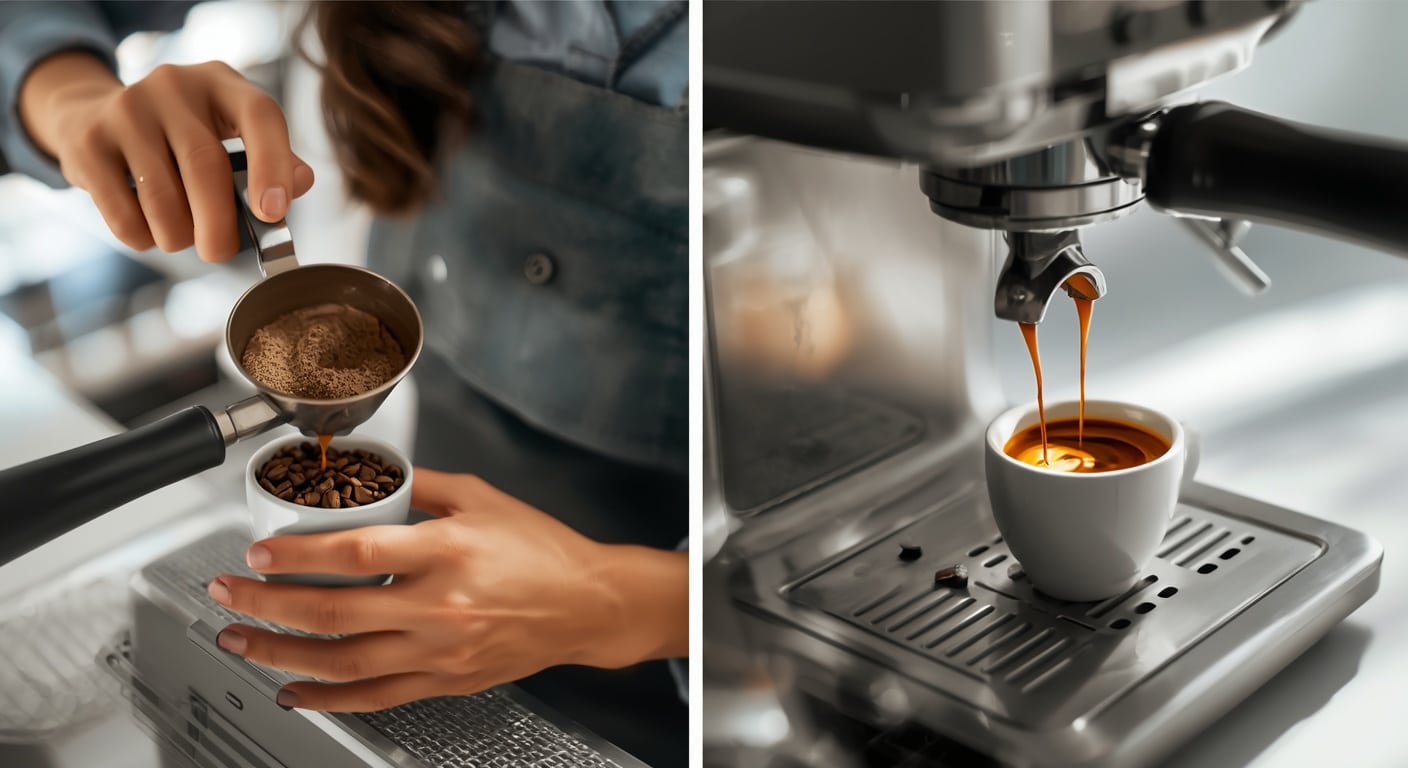
If you want to make espresso at home, the good news is that you do not need to be a professional barista to get started. With the right beans, a decent grinder, proper technique, and a bit of practice, you can pull rich, balanced shots in your own kitchen. For many coffee drinkers in Malaysia, home espresso is not just about saving money on cafe visits. It is also about learning how small changes in grind size, dose, water temperature, and brewing time affect flavour in the cup.
Espresso can seem intimidating at first because it is more sensitive than many other brewing methods. A shot that runs too fast may taste sour and thin, while one that runs too slowly may come out bitter and harsh. Still, once you understand the basics, the process becomes much easier to repeat. This guide covers the essential steps, equipment, and troubleshooting tips to help you make espresso at home with more confidence.
What espresso really is
Espresso is a concentrated coffee made by forcing hot water through finely ground coffee under pressure. Unlike drip coffee or pour over, espresso uses a short brewing time and a tight coffee bed to produce a small but intense drink with body, sweetness, acidity, and crema on top.
If you are still exploring different brew styles, it helps to read a broader guide to coffee brewing methods so you can understand how espresso compares with filter coffee, French press, and other popular options.
What you need to make espresso at home
Espresso machine
The most direct way to make espresso at home is with an espresso machine. Entry-level home machines, semi-automatic machines, and manual lever machines can all produce great results when used properly. If you are buying in Malaysia, think about service support, replacement parts, and whether the machine suits your power supply and kitchen space.
Grinder
A good burr grinder is one of the most important tools for espresso. Blade grinders are not suitable because they produce uneven particle sizes. Espresso requires a fine and precise grind, and small adjustments can make a big difference to extraction time and taste.
Fresh coffee beans
Fresh beans matter. Try to use beans that were roasted within the last few weeks, not beans that have been sitting open for months. If you are unsure what to buy, start with a practical coffee beans guide to understand roast levels, origins, and tasting notes.
Scale and timer
Many beginners skip this, but a digital scale and timer make espresso easier to improve. Measuring your coffee dose and shot yield helps you repeat good results and fix bad ones faster.
Tamper and basic accessories
You will also need a tamper that fits your portafilter basket, a milk jug if you enjoy milk drinks, a knock box or bin for used coffee grounds, and clean cloths to keep the machine dry and tidy.
Choosing beans for home espresso
Beans affect your shot more than many people expect. Some coffees are bright and fruity, while others are chocolatey, nutty, or caramel-like. For beginners, medium to medium-dark roasts are often easier to work with because they tend to be more forgiving and produce a fuller, sweeter espresso.
Many Malaysian coffee drinkers enjoy espresso that tastes balanced and works well both black and with milk. Beans with notes like cocoa, brown sugar, nuts, and mild fruit often perform well in home setups. If you usually drink iced lattes because of the hot weather, choose beans that can still punch through milk without tasting flat.
Humidity can also affect beans and grind behaviour, especially in Malaysia. On wetter days, you may notice your shot running differently even when your settings seem unchanged. This is normal, and it is one reason espresso often needs slight daily adjustment.
Understanding the basic espresso recipe
A simple starting recipe helps you learn faster. A common beginner setup is:
- 18 grams of ground coffee in
- 36 grams of espresso out
- Extraction time of around 25 to 30 seconds
This is called a 1:2 brew ratio. It is not the only recipe, but it is a strong baseline. If your espresso tastes too sour, it may be under-extracted, which can mean the grind is too coarse or the shot ended too quickly. If it tastes too bitter and dry, it may be over-extracted, which can mean the grind is too fine or the shot ran too long.
Step-by-step guide to make espresso at home
1. Warm up your machine
Turn on your machine early enough for it to fully heat up. The group head, portafilter, and basket should all be warm before brewing. A cold machine can lead to unstable extraction. Run a blank shot of water if needed to help stabilise temperature.
2. Weigh your dose
Start with a measured dose, such as 18 grams, depending on your basket size. Using too little or too much coffee for the basket can make the shot harder to control.
3. Grind fresh
Grind your beans just before brewing. Espresso needs a fine grind, but not so fine that water cannot pass through properly. The correct setting depends on your beans, machine, grinder, and environment.
4. Distribute the grounds evenly
After grinding into the portafilter, make sure the coffee bed is level. Uneven distribution can cause channeling, where water finds weak spots and extracts the puck unevenly.
5. Tamp with steady pressure
Tamp firmly and evenly so the coffee bed is flat. You do not need extreme force. What matters more is consistency and a level tamp.
6. Lock in and brew immediately
Once the puck is prepared, lock the portafilter into the machine and start the shot without delay. Letting the coffee sit too long can affect extraction.
7. Measure shot yield and time
Place your cup on a scale if possible and stop the shot when you reach your target yield, such as 36 grams. Note the time. This gives you useful feedback for your next adjustment.
8. Taste and adjust
This is where learning happens. Taste the espresso and ask whether it is sour, bitter, sweet, thin, heavy, sharp, or balanced. Then make one change at a time. Usually, grind size is the first thing to adjust.
How grind size affects espresso
Grind size is one of the biggest variables in espresso. If your grind is too coarse, water flows through too quickly and the shot may taste weak, sour, or salty. If the grind is too fine, water flows too slowly and the shot may taste bitter, harsh, or overly intense.
When you make espresso at home, it helps to think of grind size as your main control dial. If your 18-gram dose produces 36 grams of espresso in only 18 seconds, grind finer. If it takes 40 seconds, grind coarser. Make small adjustments and test again.
Common beginner mistakes
Using stale beans
Old beans often produce flat crema and dull flavour. Even perfect technique cannot fully fix stale coffee.
Changing too many things at once
If you adjust dose, grind, yield, and tamp all at the same time, you will not know what caused the improvement or problem. Change one variable first.
Ignoring cleanliness
Old coffee oils can build up in the basket, group head, and steam wand. This affects flavour and machine performance. Clean your setup regularly.
Expecting instant perfection
Espresso has a learning curve. Even experienced home baristas still adjust recipes depending on the beans and weather.
How to troubleshoot espresso shots
If the shot is too sour
Your espresso may be under-extracted. Try grinding finer, increasing your yield slightly, or extending the shot time. Also check whether your machine is hot enough.
If the shot is too bitter
Your espresso may be over-extracted. Try grinding slightly coarser, reducing your yield, or shortening the extraction.
If the shot runs too fast
Use a finer grind, check your dose, and make sure your puck prep is even. Fast shots usually taste thin and underdeveloped.
If the shot runs too slow
Try a coarser grind, reduce the dose if needed, and make sure you are not packing the basket too tightly.
If there is little crema
Check bean freshness first. Crema also depends on roast level and coffee variety, so do not judge quality by crema alone.
Do you need an expensive machine?
No. You can make espresso at home on a modest setup if your grinder is capable and your technique is consistent. Many beginners spend too much attention on the machine and not enough on the grinder, beans, and puck prep. A balanced starter setup usually performs better than an expensive machine paired with a poor grinder.
It is also worth considering your coffee habits. If you mostly drink flat whites, cappuccinos, or iced lattes, steam power and milk texturing may matter more to you. If you mainly drink espresso straight, shot consistency becomes the priority.
Can you make espresso without an espresso machine?
Not true espresso in the technical sense, because espresso requires pressure that most other brewers do not produce. However, you can make a strong coffee concentrate with tools like a Moka pot or AeroPress. These do not fully replace espresso, but they can create a rich base for milk drinks at home.
If you are just beginning your coffee journey, these alternatives can still be useful while you learn more about preferences, equipment, and bean selection. You can also explore local coffee culture with this helpful Malaysia coffee guide to better understand how different tastes and cafe styles influence what people enjoy in the cup.
How to steam milk for espresso drinks
If you want to make lattes or cappuccinos, milk steaming is another skill to practise. Start with cold milk and a cold jug. Position the steam wand just below the milk surface to introduce a little air, then lower it slightly to create a smooth whirlpool. The goal is silky microfoam, not large bubbles.
For many homes in Malaysia, iced espresso drinks are just as popular as hot ones. In that case, you can pull your espresso over ice or chill it slightly before combining with milk. Just remember that dilution changes flavour, so stronger recipes often work better for iced drinks.
Daily workflow tips for better consistency
- Use the same cup, basket, and recipe when testing
- Keep your beans stored in an airtight container away from heat and sunlight
- Adjust grind size slightly when the weather changes
- Purge and clean the steam wand after every use
- Backflush and deep clean your machine based on manufacturer instructions
How long does it take to get good at home espresso?
Most people can learn the basics within a week or two of regular practice. Pulling truly consistent shots takes longer, but that should not discourage you. Espresso is a skill built through repetition and tasting. Once you understand how variables connect, you will improve much faster.
Try keeping a simple log of your dose, grind setting, yield, time, and tasting notes. This can save you a lot of guesswork, especially when changing to a new bag of beans.
Final thoughts on making espresso at home
To make espresso at home successfully, focus on the fundamentals: fresh beans, a capable burr grinder, a repeatable recipe, and small adjustments based on taste. Start simple with a standard dose and yield, learn what under-extraction and over-extraction taste like, and avoid changing too many variables at once.
Home espresso can be frustrating at first, but it is also one of the most rewarding coffee skills to learn. Once your workflow clicks, you will be able to enjoy cafe-style coffee in your own kitchen whenever you want. If you enjoy practical coffee guides like this, subscribe to our newsletter for more brewing tips, bean advice, and coffee insights for Malaysia.
