

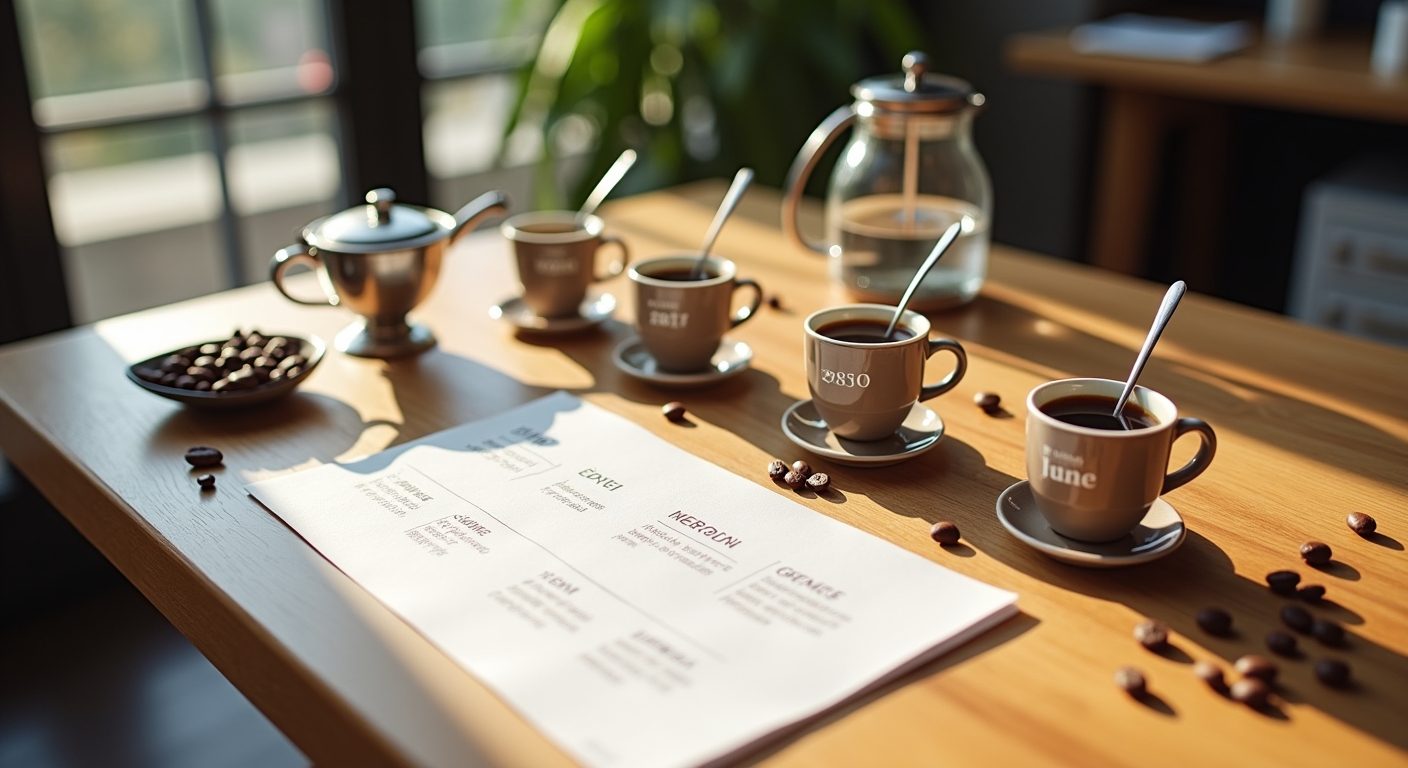
A good coffee tasting guide helps you move beyond saying a cup is simply “nice” or “strong”. Once you know what to look for, you can describe coffee more clearly, compare beans more confidently, and choose brews that suit your taste. Whether you are a home brewer, a cafe customer, or someone exploring specialty coffee in Malaysia, tasting coffee is a practical skill that improves every cup.
In this guide, we will break down how coffee tasting works, the key flavour elements to notice, and a simple method you can use at home without professional lab equipment. You will also learn how roast level, brewing style, and bean origin affect taste, which is useful if you are still building your coffee knowledge. If you are new to coffee preparation, it also helps to understand different coffee brewing methods because the same beans can taste very different depending on how they are brewed.
What is coffee tasting?
Coffee tasting is the process of evaluating a coffee using your senses, mainly smell, taste, and texture. In specialty coffee, this is often called cupping, but everyday tasting can be much simpler. The goal is not to sound technical. It is to notice what makes one cup different from another.
When you taste coffee properly, you pay attention to several things at once: aroma, sweetness, acidity, bitterness, body, flavour notes, and aftertaste. Over time, this helps you identify whether you enjoy chocolatey, nutty coffees, bright fruity coffees, or richer full-bodied brews. A useful coffee tasting guide trains you to notice these details in a structured way instead of relying only on first impressions.
Why coffee tasting matters
Tasting coffee is valuable for both beginners and regular drinkers. First, it helps you buy beans more wisely. Rather than choosing only based on packaging or price, you start understanding what flavour profiles fit your preference. This becomes even more useful when reading roast labels or browsing a detailed coffee beans guide to compare origins, processing methods, and roast styles.
Second, tasting improves your brewing decisions. If a coffee tastes too sour, too bitter, or too thin, you can adjust grind size, water temperature, or brew time. Third, it makes coffee more enjoyable. Instead of drinking on autopilot, you begin to appreciate why a flat white in Kuala Lumpur might taste different from a hand brew in Penang or Johor Bahru.
The main elements of coffee tasting
Aroma
Aroma is one of the first things you notice before taking a sip. Smell the coffee when it is freshly ground and again after brewing. You may pick up notes like nuts, cocoa, caramel, flowers, spices, or fruit. Aroma strongly influences flavour perception, so it is worth slowing down here.
In warm Malaysian weather, brewed coffee can cool quickly, and its aroma may change as the temperature drops. This is actually helpful, because some hidden notes become easier to detect when the cup is no longer piping hot.
Acidity
Acidity in coffee does not mean the drink is harsh or bad for your stomach. In tasting terms, acidity refers to brightness or liveliness. It can feel crisp like citrus, juicy like berries, or gentle like a stone fruit. High-quality acidity gives coffee structure and makes it taste vibrant.
Lightly roasted coffees and many African origins often show more noticeable acidity, while darker roasts usually taste rounder and less bright. If you have ever tried pour-over coffee at a specialty cafe and noticed a tea-like, fruity character, that is often acidity at work.
Sweetness
Sweetness is a sign of balance in coffee. It may remind you of brown sugar, honey, caramel, milk chocolate, or ripe fruit. Even black coffee can taste sweet when it is well roasted and properly brewed. Beginners sometimes focus on bitterness first, but developing your ability to spot sweetness is a big step forward.
Bitterness
Some bitterness is natural in coffee, especially in darker roasts or espresso. However, excessive bitterness can signal over-extraction, overly dark roasting, or stale beans. A balanced coffee may have a pleasant dark chocolate bitterness without tasting burnt.
Body
Body describes the weight or texture of coffee in your mouth. Some coffees feel light and delicate, while others feel creamy, syrupy, or heavy. Brewing method affects body a lot. French press and espresso usually produce fuller body, while paper-filter pour-over tends to give a cleaner and lighter texture.
Flavour notes
Flavour notes are the familiar taste references used to describe coffee, such as chocolate, almond, orange, jasmine, berry, or spice. These are not added flavours. They are natural characteristics created by origin, processing, roasting, and brewing. You are not expected to identify every note perfectly. Start broad: nutty, fruity, floral, earthy, or chocolatey.
Aftertaste
Aftertaste is the flavour left behind after swallowing. A good coffee can have a clean, pleasant finish that lingers gently. A poor cup may leave a dry, harsh, or ashy sensation. Paying attention to aftertaste helps you judge overall quality more accurately.
How to taste coffee at home
You do not need a professional cupping spoon or commercial tasting form to follow a coffee tasting guide at home. A few simple steps are enough.
1. Choose fresh coffee
Start with freshly roasted beans if possible. Coffee tastes best within a reasonable window after roasting, often around two to six weeks depending on the bean and brew style. Buy from roasters or cafes that list roast dates clearly.
2. Grind just before brewing
Fresh grinding preserves aroma and flavour. If you can, use a burr grinder for more consistent results. An uneven grind can make tasting harder because the coffee may come out mixed, with sour and bitter notes in the same cup.
3. Use clean water
Water quality matters more than many people realise. If your water has a strong chlorine smell or odd mineral taste, it will affect the cup. Filtered water is usually a good choice for home brewing in Malaysia.
4. Brew simply and consistently
Use a repeatable method, such as pour-over, French press, or cupping-style immersion. If you keep changing the recipe too much, it becomes difficult to compare coffees fairly.
5. Smell before sipping
Take a moment to inhale the aroma. Ask yourself whether it smells sweet, nutty, fruity, roasty, or floral. There is no need to force a detailed answer immediately.
6. Sip and let it coat your palate
When you sip, let the coffee spread across your mouth. Notice whether it feels light or heavy, bright or mellow, sweet or bitter. Then consider what familiar flavours it reminds you of.
7. Taste at different temperatures
Coffee changes as it cools. Very hot coffee can hide sweetness and subtle flavour notes. Taste again when it is warm and once more when it is cooler. You may notice more fruit, cocoa, or caramel later in the cup.
8. Take simple notes
Write down a few words for each coffee. For example: “nutty, medium body, low acidity, chocolate finish”. This creates a useful personal reference over time.
A simple coffee tasting format for beginners
If you want a practical structure, use this basic checklist every time you taste:
Fragrance/aroma: What do you smell first?
Acidity: Is it bright, soft, sharp, or low?
Sweetness: Is there any sugar-like or fruit-like sweetness?
Body: Is it light, smooth, creamy, or heavy?
Flavour: Does it remind you of chocolate, nuts, fruit, spice, or flowers?
Aftertaste: Is the finish clean, lingering, dry, or bitter?
This format keeps things simple while helping you compare coffees consistently.
How roast level affects taste
Roast level has a major effect on what you taste in the cup. Light roasts often highlight origin character, acidity, and delicate flavours such as citrus, floral, and berry notes. Medium roasts usually balance sweetness, body, and origin clarity. Dark roasts tend to emphasise roast-driven flavours like cocoa, smoke, toasted nuts, and bitterness.
Many coffee drinkers in Malaysia grew up with bold, intense coffee styles, so lighter specialty roasts can seem surprising at first. They may taste less bitter but more fruity or tea-like. Neither is automatically better. The point of a coffee tasting guide is to help you recognise the differences and decide what you enjoy.
How brewing method changes flavour
The same beans can taste very different depending on brew method. Espresso is concentrated, often fuller-bodied, and more intense. Pour-over tends to highlight clarity, acidity, and delicate notes. French press can emphasise body and texture, while AeroPress can be adjusted to produce either a clean or richer cup.
If you want to improve your tasting skills, brew the same coffee using two different methods and compare them side by side. This teaches you how extraction and filtration affect flavour. For a broader introduction to local coffee culture and drinking habits, you can also explore this guide to coffee in Malaysia, which gives helpful context on how Malaysians enjoy coffee across different settings.
How origin and processing influence the cup
Origin refers to where the coffee is grown, while processing refers to how the coffee cherry is handled after harvest. Both have a strong impact on flavour.
Origin
Different countries and regions often show different flavour tendencies. For example, some coffees from Ethiopia may taste floral or berry-like, while many Brazilian coffees are known for nutty, chocolatey profiles. Indonesian coffees can lean earthy, spicy, or full-bodied, depending on region and process.
That said, origin is only part of the story. Farm practices, variety, roast development, and brewing all influence the final result.
Processing
Washed coffees are often cleaner and brighter. Natural processed coffees may taste fruitier and heavier. Honey or pulped natural processes can offer a balance between sweetness and clarity. When tasting, try to notice whether the cup feels crisp and clean or lush and fruit-forward.
Common tasting mistakes beginners make
Drinking coffee too hot
Very hot coffee can mask flavour details. Let it cool slightly before judging the cup.
Confusing strength with quality
A stronger coffee is not always a better coffee. Strength refers to concentration, while quality refers to flavour balance, clarity, and overall experience.
Using stale beans
Old coffee often tastes flat, papery, or dull. Fresh beans make tasting much easier and more rewarding.
Adding sugar or milk too early
If your goal is to learn flavour differences, taste the coffee black first. You can always add milk or sugar later if that is how you enjoy it.
Expecting dramatic notes immediately
Not every coffee will taste clearly like mango or jasmine. Sometimes the differences are subtle. The skill develops with repetition.
How to build your palate over time
The best way to improve is to taste coffees side by side. Compare two beans with different origins, roast levels, or brew methods. You can also try triangulation at home by preparing three cups, where two are the same and one is different, then seeing if you can identify the odd cup out.
Another useful habit is connecting coffee flavours to everyday foods. If you regularly taste dark chocolate, roasted nuts, citrus fruits, berries, and brown sugar, those references become easier to spot in coffee. Building your palate is really about building your flavour memory.
Using this coffee tasting guide when buying beans
Once you understand basic tasting terms, coffee labels become easier to read. If a bag mentions notes like cocoa, hazelnut, and caramel, you can expect a more familiar, comforting profile. If it mentions bergamot, red berries, and floral aroma, the coffee may be brighter and more expressive.
Use your own tasting notes to guide future purchases. If you repeatedly enjoy medium-roast coffees with chocolate and nut notes, start there. If you discover that you like bright washed coffees with citrus acidity, explore more of those. Your preferences do not need to match trends. The point is to brew and buy with more confidence.
Final thoughts
A coffee tasting guide is not about making coffee complicated. It is about paying closer attention so you can understand what is in your cup and why you like it. By focusing on aroma, acidity, sweetness, body, flavour notes, and aftertaste, you can taste coffee more clearly and consistently. Over time, this makes buying beans, choosing brew methods, and ordering at cafes much easier.
If you enjoy practical coffee learning like this, subscribe to our newsletter for more guides on beans, brewing, cafes, and coffee culture in Malaysia.
