

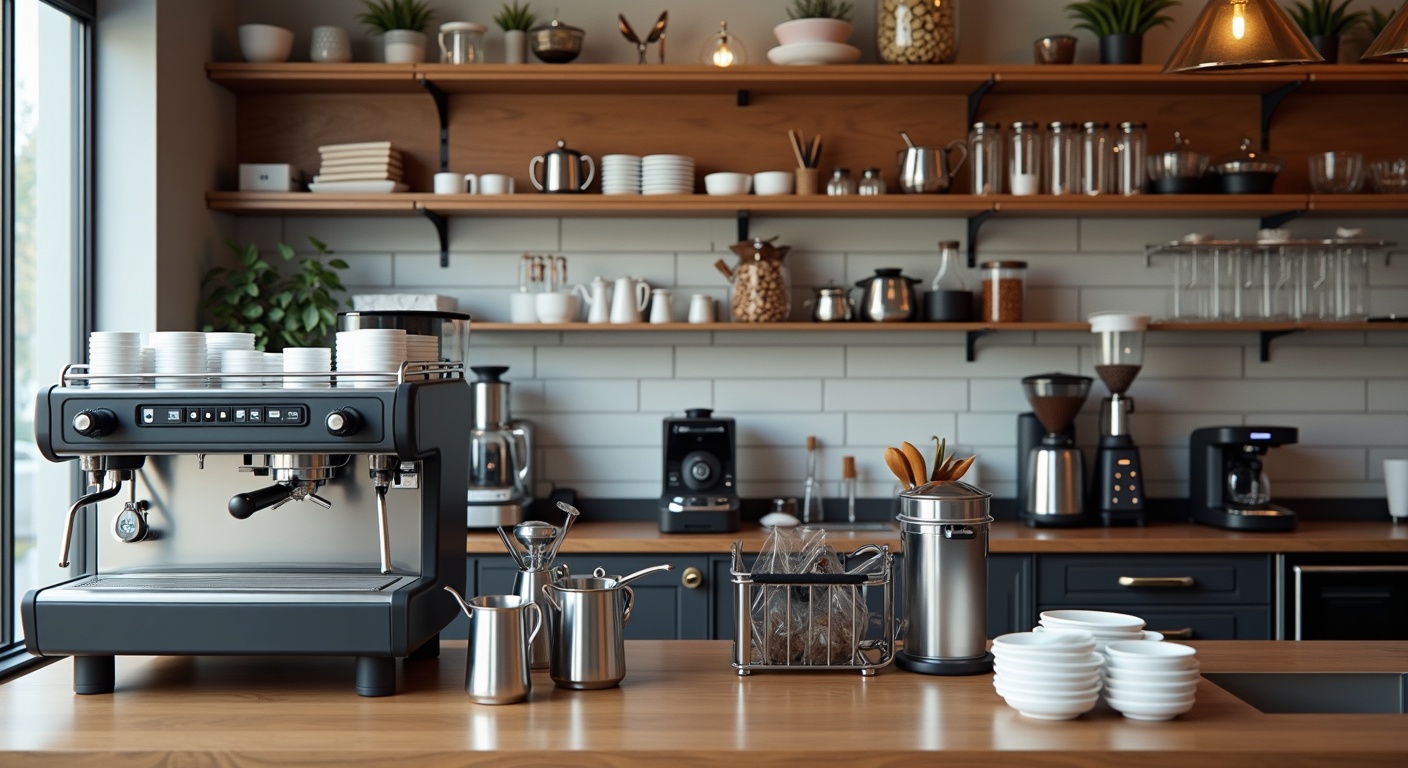
Building a practical cafe equipment list is one of the most important steps when opening a cafe in Malaysia. Many new owners focus on the espresso machine first, but a profitable setup depends on much more than that. Your concept, menu, service style, available power supply, water quality, staff skill level, and budget all affect what equipment you actually need. A compact takeaway coffee bar in Kuala Lumpur will require a different setup from a full-service neighbourhood cafe in Penang or Johor Bahru.
The best approach is to create a cafe equipment list based on workflow. Think about what happens from opening to closing: receiving stock, storing milk and ingredients, grinding coffee, brewing espresso, preparing food, serving customers, collecting payment, and cleaning up. When each station is planned properly, your team works faster, customers wait less, and your equipment investment becomes easier to justify.
If you are still in the planning phase, it helps to review a broader guide on how to start a coffee shop in Malaysia before locking in your equipment purchases. That way, your list supports your business model instead of becoming an expensive guess.
Why Your Cafe Equipment List Matters
A well-planned cafe equipment list helps you avoid three common problems: overspending, underbuying, and poor workflow. Overspending happens when owners buy premium machines that do not match actual sales volume. Underbuying happens when the cafe opens without the support equipment needed to maintain speed and quality. Poor workflow appears when grinders, fridges, sinks, and prep counters are placed without considering staff movement.
In Malaysia, equipment choices also need to account for local conditions. These may include heat and humidity, varying shoplot layouts, mall requirements, limited back-of-house space, and after-sales support from coffee equipment suppliers. Choosing equipment that is easy to maintain locally can be more practical than importing niche models with limited service coverage.
Core Coffee Bar Equipment
Espresso Machine
The espresso machine is usually the centrepiece of a cafe equipment list. For most new cafes, the right machine depends on your expected cup volume, menu complexity, and team experience. A one-group machine might suit a low-volume kiosk, while a two-group machine is more common for a standard cafe. High-volume locations may need a multi-boiler machine with stronger consistency during peak periods.
When comparing options, consider boiler configuration, recovery speed, steam power, ease of cleaning, and local technical support. In Malaysia, after-sales service is especially important. It is often smarter to work with established coffee equipment suppliers that can provide installation, staff familiarisation, spare parts, and maintenance support rather than buying purely on price.
Coffee Grinder
No cafe equipment list is complete without at least one quality grinder. In fact, the grinder can affect cup quality as much as the espresso machine. Your main espresso grinder should provide consistent particle size, easy adjustment, and enough output for your busiest periods. Some cafes also keep a second grinder for decaf or a different bean profile.
If filter coffee is part of your concept, you may need a dedicated grinder for pour-over or batch brew. Separate grinders reduce cross-use, improve consistency, and help baristas work more efficiently.
Water Filtration System
Water quality plays a major role in coffee taste and machine lifespan. A water filtration system should appear early in your cafe equipment list, not as an afterthought. Inadequate filtration can lead to scale buildup, inconsistent extraction, and expensive repair work. Many equipment suppliers in Malaysia can recommend filtration solutions based on your local water conditions and machine requirements.
Ice Machine and Blender
Given Malaysia’s climate, iced drinks are a core sales category for many cafes. If your menu includes iced lattes, frappes, matcha, fruit-based drinks, or cold beverages, an ice machine and commercial blender may be essential. The size of your ice machine should match your expected demand, especially in hot months, weekends, and lunch-hour peaks.
Brewing and Beverage Support Tools
Batch Brewer or Filter Setup
If you serve office crowds, breakfast customers, or long-stay diners, batch brew can speed up service and improve labour efficiency. Some specialty cafes may prefer manual brewers such as V60, Kalita, or French press, but these should only be included if they fit your concept and staff skill level.
Milk Pitchers, Tampers, Scales, and Thermometers
Small bar tools often get overlooked, but they are essential for daily operations. Include milk pitchers in different sizes, tampers, dosing cups, shot glasses, digital scales, thermometers, bar mats, knock boxes, timers, and cleaning brushes in your cafe equipment list. These low-cost items have a direct impact on speed, consistency, and cleanliness.
Cups, Glassware, and Takeaway Packaging
Your choice of dine-in cups and takeaway packaging should align with your brand image and operating style. Ceramic cups create a stronger cafe experience, while durable glassware may suit beverages like iced long black or cold specialty drinks. If takeaway is important, budget for cups, lids, sleeves, cup carriers, straws if needed, and bagging solutions.
Refrigeration and Storage Equipment
Under-Counter Fridges
Under-counter fridges near the coffee bar help baristas access milk, cream, sauces, and chilled ingredients quickly. This reduces unnecessary movement and improves drink output during busy periods. If space allows, placing refrigerated storage close to the espresso station is one of the simplest workflow improvements you can make.
Upright Chillers and Freezers
Depending on your menu, your cafe equipment list may include an upright chiller, freezer, or both. Cafes serving pastries, cakes, frozen ingredients, or pre-prepped food may need more cold storage than pure beverage concepts. Always consider delivery schedules from your suppliers before deciding storage capacity. Frequent deliveries can reduce storage needs, while less frequent restocking requires more space.
Dry Storage Racks and Ingredient Bins
Dry goods such as coffee beans, sugar, tea, syrups, takeaway packaging, and cleaning supplies need organised storage. Use shelving, labelled bins, and food-safe containers to keep inventory manageable. Good storage systems support stock control and reduce wastage, especially in smaller Malaysian shoplots where every square foot matters.
Food Preparation and Kitchen Equipment
Not every cafe serves hot food, but many Malaysian cafes add pastries, sandwiches, pasta, rice bowls, or brunch items to increase average spend. Your cafe equipment list should reflect your actual menu instead of copying another cafe’s setup.
Oven or Convection Oven
If you reheat pastries or bake simple items in-house, an oven may be necessary. Convection ovens are common because they provide even heating and fit many light foodservice needs.
Toaster, Panini Press, or Sandwich Grill
For cafes serving toast, sandwiches, or paninis, these pieces of equipment are practical and affordable. They also help kitchens deliver quick menu items without requiring a full cooking line.
Induction Cooker or Hot Plate
Smaller cafes sometimes use induction cooking for sauces, soup, simple pasta, or limited hot food preparation. This can be useful where kitchen ventilation or space is restricted, but always ensure compliance with landlord and local authority requirements.
Food Prep Tables and Stainless Steel Workstations
Prep surfaces are easy to overlook when creating a cafe equipment list, yet they are vital for food safety and efficient production. Stainless steel tables are commonly used because they are durable, easy to clean, and suitable for commercial environments.
Cleaning, Hygiene, and Utility Equipment
Sinks and Washing Stations
A functional cafe needs more than one sink area. Depending on your layout and local requirements, you may need separate handwashing, utensil washing, and food prep sinks. Proper sink planning helps with compliance, hygiene, and smoother kitchen operations.
Dishwasher or Glass Washer
For higher-volume dine-in cafes, a commercial dishwasher or glass washer can save labour and improve turnaround times. Smaller cafes may begin with manual washing, but this often becomes a bottleneck once customer traffic increases.
Water Heater and Cleaning Tools
Add water heaters, mops, buckets, floor squeegees, sanitiser dispensers, cloth systems, and waste bins to your cafe equipment list. These items are not glamorous, but they directly affect cleanliness standards and operating discipline.
From a supplier perspective, it is helpful to choose coffee machines, grinders, and support equipment that come with clear cleaning procedures and accessible maintenance parts. Reliable suppliers do more than sell machines; they can also help owners plan sensible equipment combinations that reduce downtime.
Front-of-House and Service Equipment
POS System and Payment Devices
Your point-of-sale system should support order management, product reporting, staff permissions, and modern payment methods. In Malaysia, cashless payments are standard across many cafes, so be sure your setup supports card terminals and e-wallet options where relevant.
Because equipment spending can add up quickly, it is wise to compare your setup plan with a realistic view of cafe startup costs in Malaysia. This helps you decide what should be purchased immediately, what can be upgraded later, and where leasing or supplier packages may make sense.
Display Chiller or Cake Showcase
If pastries, cakes, bottled drinks, or desserts are part of your offering, a display chiller may improve impulse purchases. It also helps communicate freshness and menu variety at the counter.
Furniture and Customer Comfort
Tables, chairs, bar stools, and outdoor seating may not always be included in a strict cafe equipment list, but they are still major operating assets. Choose furniture that matches your concept, customer stay duration, and maintenance needs. For example, a laptop-friendly cafe may need larger tables and more power points, while a quick-service concept may prioritise easier turnover.
Technology and Operational Essentials
Wi-Fi, Routers, and Networking
Reliable internet matters for POS systems, music apps, delivery platforms, and customer experience. Poor connectivity can interrupt transactions and create unnecessary stress during service.
CCTV and Security
CCTV systems can support loss prevention, staff accountability, and general safety. This is especially useful for cafes handling cash, extending operating hours, or managing multiple staff shifts.
Printers and Order Management
Depending on your service style, you may need receipt printers, kitchen printers, label printers, or order display screens. These tools become more important when handling food service, delivery orders, or high transaction volume.
How to Prioritise Your Cafe Equipment List
When budget is limited, divide your cafe equipment list into three groups: must-have, should-have, and later upgrade. Must-have items are essential for opening day, such as the espresso machine, grinder, fridge, POS system, filtration, basic prep tools, and cleaning tools. Should-have items improve speed or menu range but can wait if necessary. Later upgrades include premium add-ons, larger display units, or extra grinders for seasonal offerings.
This approach prevents overspending before your sales patterns are proven. It also gives you flexibility to reinvest once you understand which drinks, food items, and service periods generate the best returns.
Should You Buy New or Used Equipment?
Both options can work, but each has trade-offs. New equipment usually comes with warranty support, supplier training, and fewer immediate repair concerns. Used equipment may reduce upfront cost, but it should be inspected carefully, especially for espresso machines, grinders, chillers, and ice machines. A cheap machine with hidden maintenance issues can become more expensive than a new one over time.
If you buy used, check service history, parts availability, power compatibility, and current operating condition. In Malaysia, many cafe owners prefer working with known coffee equipment suppliers because support response time matters when the machine is central to sales.
Common Mistakes When Building a Cafe Equipment List
Buying for Image Instead of Volume
A premium machine may look impressive, but if your daily volume is low, the return on investment can be weak. Match your machine to demand, not ego.
Ignoring Workflow
Even good equipment underperforms in a bad layout. Baristas should be able to grind, pull shots, steam milk, and hand over drinks without crossing paths constantly.
Underestimating Storage
Many new cafes forget about dry stock, takeaway supplies, and backup ingredients. Lack of storage creates clutter and slower operations.
Skipping Maintenance Planning
Your cafe equipment list should include maintenance expectations, not just purchase prices. Water filters, grinder burrs, machine servicing, and refrigeration checks all affect long-term operating cost.
Recommended Services Section
Once your cafe equipment list is in place, it is worth getting advice from experienced coffee equipment suppliers on machine sizing, grinder pairing, water filtration, and maintenance planning. A good supplier can help you choose equipment that fits your menu, projected volume, and available workspace instead of simply pushing the most expensive model.
After operations are ready, growth depends on customer demand too. If you want more people to discover your cafe, our guide to cafe marketing in Malaysia can help you build awareness and attract repeat visits.
Final Thoughts
The right cafe equipment list is not the longest list or the most expensive one. It is the one that fits your concept, supports your staff, and helps you serve quality drinks and food consistently. Start with your menu and workflow, then choose equipment that matches your expected volume, available space, and service style. In Malaysia, it is also smart to prioritise supplier reliability, maintenance support, and practical durability.
If you plan carefully, your equipment becomes a foundation for smoother operations, better customer experience, and stronger profitability from day one.
