

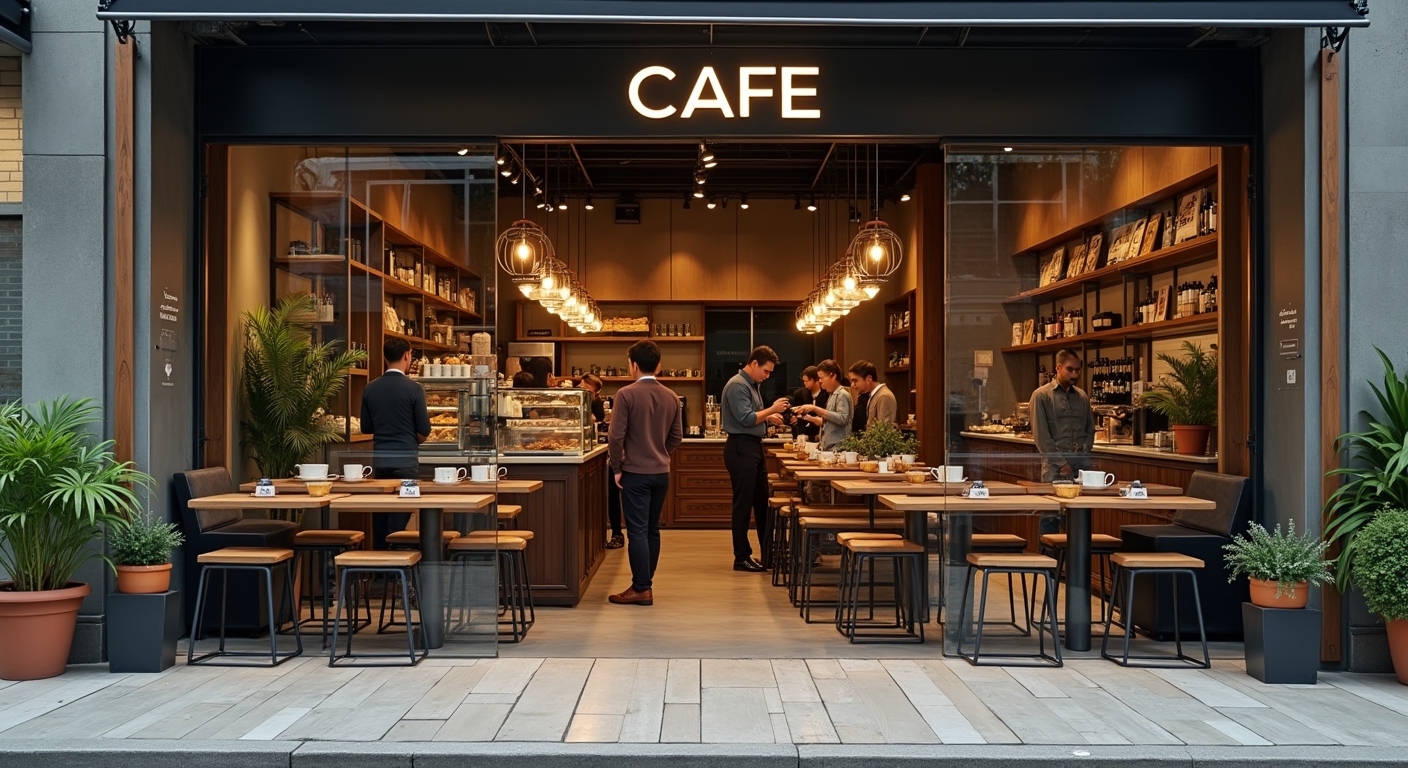
Malaysia’s cafe scene is one of the most active in Southeast Asia, with international brands, homegrown chains, and lifestyle coffee names competing for loyal customers every day. If you are searching for the best cafe chains Malaysia offers, the answer depends on what matters most to you: coffee quality, consistency, food variety, convenience, atmosphere, pricing, or brand experience. Some chains are ideal for quick takeaway cups before work, while others are better for long catch-ups, laptop sessions, or dessert-heavy outings.
In this guide, we review the cafe chains Malaysians commonly visit across Kuala Lumpur, Selangor, Penang, Johor Bahru, and other major towns. We focus on what each chain is known for, who it suits best, and how it fits into the wider local coffee market. If you want a broader view of the market first, our guide to coffee culture in Malaysia gives useful context on how local drinking habits, cafe trends, and consumer preferences have evolved.
What makes a cafe chain stand out in Malaysia?
A strong cafe chain in Malaysia usually succeeds in a few key areas. First is consistency. Customers expect the same drink quality whether they order in Bangsar, Subang Jaya, George Town, or Johor Bahru. Second is convenience, including accessible locations in malls, shoplots, offices, or transit areas. Third is menu range. Malaysian cafe-goers often look beyond espresso drinks and want pastries, rice meals, desserts, frappes, tea-based drinks, and seasonal items.
Price sensitivity also matters. Premium positioning can work, but only when customers feel the quality matches the spend. Finally, ambience remains a major factor. Many people use cafes for meetings, solo work, dates, or social catch-ups, so seating comfort, cleanliness, lighting, and queue efficiency all influence whether a chain earns repeat visits.
1. Starbucks Malaysia
Starbucks remains one of the most visible names in the local market and is often the first brand people think of when discussing the best cafe chains Malaysia shoppers and office workers recognise instantly. Its major strength is consistency and network size. With outlets across prime malls, highway stops, business districts, and neighbourhood centres, Starbucks is convenient for both casual and routine coffee purchases.
What it does well
The menu is broad and familiar. Core espresso drinks, cold brews, Frappuccino-style beverages, teas, and seasonal specials create strong appeal for mainstream consumers. Food options are also accessible, ranging from cakes and sandwiches to light meals. For many Malaysians, Starbucks is less about specialist coffee and more about a reliable all-purpose cafe experience.
Best for
Starbucks is best for convenience, meetings, rewards programme users, and customers who enjoy sweet or customisable drinks. It is also one of the easiest chains for people who prefer a standardised experience over surprise.
Things to consider
Prices are not the lowest, especially for frequent buyers. Coffee purists may also find the flavour profile less exciting than more focused specialty chains. Still, for reach and familiarity, it stays near the top of the list.
2. The Coffee Bean & Tea Leaf
The Coffee Bean & Tea Leaf has built a long-standing presence in Malaysia and continues to attract customers who like a slightly calmer alternative to higher-traffic chains. It balances coffee and tea well, which is important in a market where not every cafe customer wants espresso-based drinks.
What it does well
Its Ice Blended drinks remain a signature category, and the food menu usually offers enough for light lunch or tea-time visits. Outlets often feel comfortable for longer stays, making the brand popular with students, freelancers, and people having informal business discussions.
Best for
This chain suits customers who want a balanced menu, less rushed atmosphere, and both tea and coffee choices in one place. It also appeals to groups with mixed drink preferences.
Things to consider
Quality can feel more lifestyle-oriented than specialty-driven. Some locations are excellent, while others depend heavily on outlet management and foot traffic.
3. ZUS Coffee
ZUS Coffee has become one of the most important local success stories in recent years. It stands out for combining app-driven convenience, competitive pricing, and a modern brand identity that connects well with younger Malaysians. Among discussions about the best cafe chains Malaysia has produced locally, ZUS appears frequently because it made coffee feel more accessible to mass-market urban consumers.
What it does well
ZUS is strong on affordability and speed. Ordering through the app, redeeming promotions, and picking up drinks efficiently have helped the brand scale fast. Its menu is broad enough for everyday users, including espresso drinks, flavoured lattes, non-coffee beverages, and seasonal launches that create social media buzz.
Best for
ZUS is ideal for value-conscious coffee drinkers, office workers, students, and anyone who prioritises convenience. It also works well for those entering the coffee habit without wanting boutique-cafe prices.
Things to consider
Because the model leans heavily on speed and accessibility, the dine-in atmosphere can vary significantly by outlet. Some are takeaway-focused rather than destinations for long, relaxed cafe sessions.
4. Gigi Coffee
Gigi Coffee is another Malaysian chain that has gained fast recognition, particularly among younger urban customers. Its branding is vibrant, its pricing is generally approachable, and its expansion reflects strong demand for local coffee chains with a tech-friendly, modern approach.
What it does well
The brand succeeds with drinks that are easy to like, including flavoured coffee beverages and refreshing non-coffee options. It positions itself as accessible rather than intimidating, which matters in Malaysia where many coffee buyers are casual drinkers rather than enthusiasts.
Best for
Gigi Coffee is well suited for students, first-job professionals, and customers who want trendy drinks without premium cafe pricing. It is also attractive to people who enjoy trying limited-time beverage flavours.
Things to consider
Like many fast-growing chains, individual outlet experience may differ. If your priority is a quiet specialty environment with detailed bean information, Gigi may feel more mainstream than artisanal.
5. OldTown White Coffee
No list of notable cafe chains in Malaysia is complete without OldTown White Coffee. While it sits partly between kopitiam and cafe chain categories, its role in shaping mainstream coffee dining in Malaysia is significant. It built national familiarity around white coffee and helped package Malaysian coffee culture into a scalable chain format.
What it does well
OldTown’s strength is broad appeal. Customers can order local-style coffee, toast, noodles, nasi lemak, and other comfort foods in one sitting. This makes it especially practical for families and groups with different meal preferences.
Best for
It is best for casual dining, local taste preferences, and people who want more substantial food choices than what many modern coffee chains offer. Tourists looking for an accessible version of Malaysian white coffee also often start here.
Things to consider
Those seeking third-wave espresso culture may not find OldTown the most relevant option. But for heritage positioning, broad comfort food appeal, and recognisable Malaysian flavour cues, it remains important.
If you are interested in how coffee origins and roasting affect flavour beyond chain menus, our coffee beans guide for buyers and enthusiasts is a useful next read.
6. San Francisco Coffee
San Francisco Coffee has long held a niche among Malaysians who want a somewhat more coffee-forward identity than mainstream international chains, while still keeping the environment friendly and accessible. It may not always dominate in outlet count, but it has built a loyal following over time.
What it does well
The brand tends to appeal to customers who want decent coffee in a slightly more understated environment. Depending on the location, its ambience can feel more relaxed and community-oriented than higher-volume chains in busy malls.
Best for
San Francisco Coffee suits regular coffee drinkers who care about flavour but still want a familiar chain setting. It can also be a good middle ground between mass-market and niche specialty cafes.
Things to consider
Its footprint may be less extensive than the biggest chains, so convenience depends more on where you live or work.
7. % Arabica
% Arabica has carved out a premium image in Malaysia, particularly in urban lifestyle districts and high-traffic luxury retail areas. The brand is heavily associated with minimalist design, visual identity, and a cleaner specialty-coffee reputation.
What it does well
It performs strongly on coffee image, bean storytelling, and presentation. Customers who prefer espresso-based drinks with a more specialty-led angle often find % Arabica more aligned with their tastes than broad lifestyle chains. The menu is usually more focused, which can be a positive for people who value coffee itself over endless beverage customisation.
Best for
This chain is best for customers who enjoy stylish spaces, stronger coffee identity, and a more premium everyday cup. It also appeals to travellers and social media users who appreciate visually distinctive cafe environments.
Things to consider
Prices are on the higher side, and the food selection can be narrower than chains built around all-day dining. It works best when your main goal is coffee rather than a full meal-and-hangout visit.
8. Dome Cafe
Dome has long occupied a comfortable spot in Malaysia’s mall cafe scene, offering a Western-style cafe format with coffee, cakes, and substantial meal options. It may not generate as much trend-based discussion as newer chains, but it still attracts customers who want a reliable sit-down experience.
What it does well
Dome’s strength is its dine-in comfort. Seating, menu breadth, and slower-paced atmosphere make it suitable for longer conversations, lunch meetings, or relaxed weekend breaks. Many customers appreciate that the outlet experience often feels less rushed than ultra-high-turnover coffee counters.
Best for
It works well for adults meeting over coffee, business chats, and people who want cafe-style meals in addition to drinks.
Things to consider
It is less likely to appeal to shoppers seeking budget drinks or the newest app-promo coffee trend. The value equation depends on whether you use it more as a dining cafe than a simple caffeine stop.
How local chains are changing the market
One of the biggest shifts in Malaysia’s cafe industry is the rise of local chains that understand local spending habits, digital behaviour, and flavour preferences. Brands like ZUS Coffee and Gigi Coffee have shown that the market is not controlled only by legacy international names. Faster service models, app rewards, accessible pricing, and menus designed for local taste trends have reshaped customer expectations.
This is important because today’s consumers compare chains not just on coffee taste, but on delivery integration, mobile ordering, loyalty benefits, and how easily a brand fits daily routines. In many cases, a decent RM price point and efficient pickup can matter more than a carefully narrated origin story.
How to choose the best cafe chain for your needs
For value and frequency
If you buy coffee several times a week, local app-driven chains such as ZUS Coffee and Gigi Coffee often offer better day-to-day value. Promotions and easier pickup can make a real difference over time.
For reliable all-purpose cafe visits
Starbucks and The Coffee Bean & Tea Leaf remain strong choices if you want familiarity, wide availability, and enough food and drink options for different moods and group preferences.
For local flavour and meals
OldTown White Coffee fits best when you want Malaysian-style drinks and menu items that go beyond pastries and sandwiches. It is also a practical option for family dining.
For coffee-focused experiences
% Arabica and selected San Francisco Coffee outlets appeal more to customers with stronger interest in the cup itself, minimalist menus, and a more specialist cafe atmosphere.
For long sit-down sessions
Dome and quieter Coffee Bean outlets are often more comfortable for lengthy conversations, laptop work, or casual meetings where ambience matters as much as the drinks.
Are cafe chains replacing independent cafes?
Not necessarily. Chain cafes and independent cafes often serve different needs in Malaysia. Chains win on consistency, convenience, pricing systems, and geographic reach. Independent cafes usually win on originality, unique food concepts, bean diversity, and neighbourhood personality. Many Malaysians enjoy both, choosing chains for weekday practicality and independents for weekend exploration.
For readers comparing chains with a wider market view, our review of coffee brands in Malaysia can help you understand where major names sit within the broader consumer landscape.
Final verdict on the best cafe chains Malaysia offers
The best cafe chain in Malaysia depends on your routine and expectations. If convenience and value are your top priorities, ZUS Coffee and Gigi Coffee are hard to ignore. If you want broad accessibility and predictable menus, Starbucks and The Coffee Bean & Tea Leaf still lead in recognisability. If local identity matters most, OldTown White Coffee remains highly relevant. And if you prefer a more premium coffee-first image, % Arabica stands out.
Rather than naming a single winner for everyone, it is more accurate to say Malaysia has several strong cafe chains serving different audiences well. That variety is exactly what makes the local market interesting. From mall coffee runs and app-based takeaway to local white coffee meals and design-led espresso bars, there is no single way Malaysians enjoy cafe culture anymore.
If you enjoy practical coffee guides like this, consider subscribing to our newsletter for more reviews, cafe trends, and Malaysia coffee insights.
