

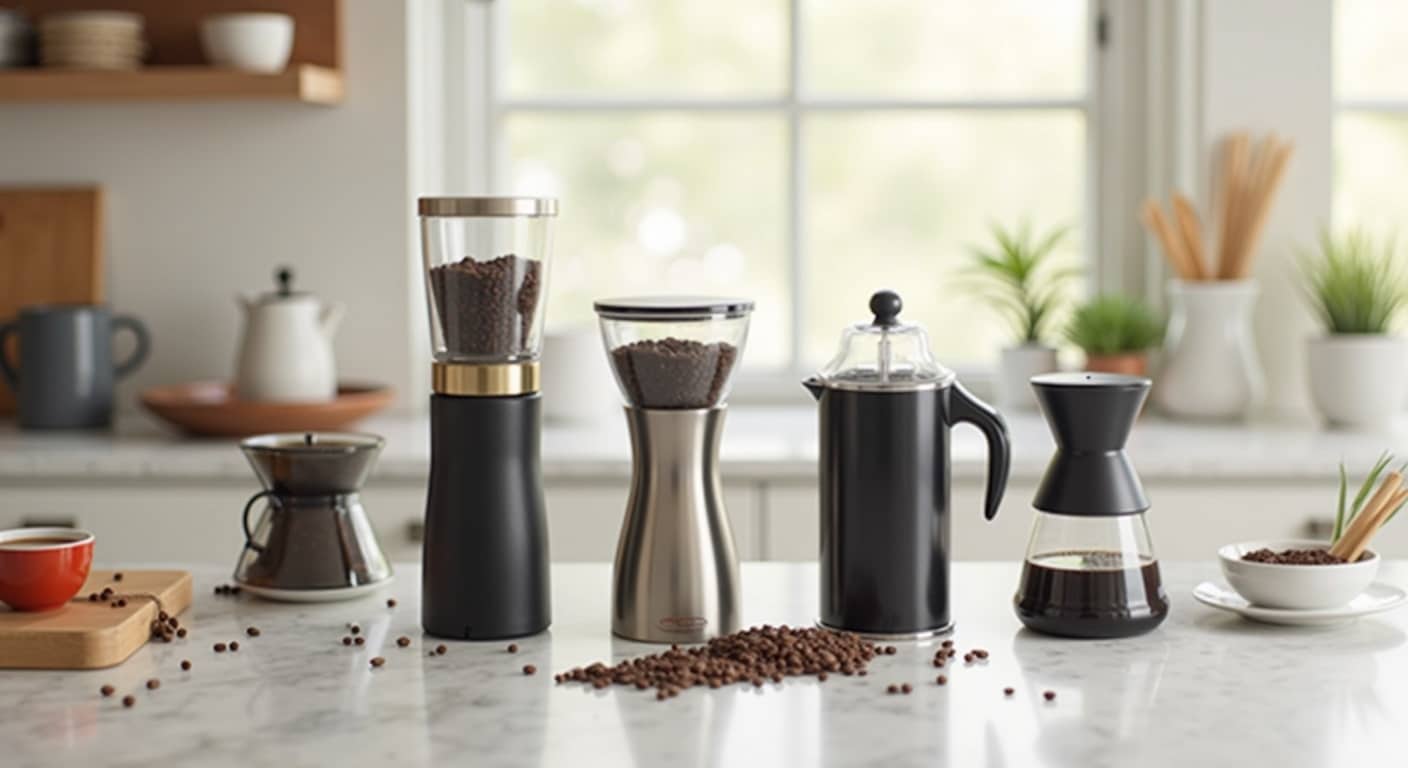
Choosing the right coffee grinder can make a bigger difference than many people expect. Whether you are opening a new cafe, upgrading your espresso bar, or brewing at home, the grinder shapes extraction, consistency, speed, and daily workflow. For anyone researching coffee grinder malaysia options, the challenge is not just finding a popular brand. It is matching the grinder to your drink menu, expected volume, staff skill level, service style, and budget. In Malaysia, where cafes often serve espresso-based drinks alongside filter coffee and local-inspired beverages, grinder selection needs to balance performance with practicality.
This guide explains what to look for when buying a coffee grinder in Malaysia, the differences between grinder types, the features that matter most, common mistakes to avoid, and how cafes can choose suitable equipment suppliers without overspending.
Why the Right Coffee Grinder Matters
A quality grinder is one of the most important coffee equipment investments you can make. Even with excellent beans and a capable espresso machine, poor grinding will lead to uneven extraction, unstable shot times, wasted coffee, and inconsistent taste. In cafe operations, that translates into slower service, more dial-in time, higher wastage, and unhappy customers.
For business owners planning their setup, grinder choice should sit alongside other major equipment decisions. If you are still mapping out your concept and equipment list, our guide on how to start a coffee shop in Malaysia can help you put grinders into the wider context of cafe planning.
Main Types of Coffee Grinders
Blade Grinders
Blade grinders use spinning blades to chop coffee beans. They are usually the cheapest option, but they produce inconsistent particle sizes. That means some grounds are too fine while others are too coarse, resulting in uneven brewing.
For serious coffee drinkers and nearly all cafe applications, blade grinders are not ideal. They may work for casual home use, but they are rarely recommended for espresso or commercial workflow.
Burr Grinders
Burr grinders crush beans between two burrs instead of chopping them. This creates far more consistent grounds, which is why burr grinders are the standard choice for specialty coffee.
There are two main burr grinder categories to consider:
- Flat burr grinders – Often valued for clarity, consistency, and predictable grind distribution.
- Conical burr grinders – Commonly appreciated for lower retention in some designs, quieter operation in some models, and reliable all-round performance.
In the coffee grinder malaysia market, most cafe buyers will end up comparing burr grinders rather than blade grinders.
Manual vs Electric Grinders
Manual Grinders
Manual grinders are compact and often suitable for travel, light home use, or entry-level brewing. They can offer good grind quality at a lower cost than some electric models, especially for pour-over or AeroPress brewing.
However, manual grinding is slow for high-volume use. For cafes, manual grinders are usually impractical except perhaps for occasional cupping sessions or low-volume filter service.
Electric Grinders
Electric grinders are the practical choice for most homes and nearly all commercial environments. They offer faster output, easier grind adjustment, and better workflow during busy hours. If your cafe plans to serve espresso throughout the day, an electric commercial grinder is essential.
How to Choose a Coffee Grinder Based on Brewing Method
Espresso
Espresso requires very precise and consistent grinding. A grinder for espresso must provide fine adjustments because small changes in grind size can dramatically affect shot time and flavour. Cafes serving milk-based drinks, black coffee, and signature espresso beverages should prioritise:
- Stepless or very fine stepped adjustment
- Consistent dosing
- Fast grinding speed
- Low retention
- Ability to handle peak-hour volume
If you are building a full business budget, grinder cost should be planned together with your espresso machine and bar setup. Our article on cafe startup costs in Malaysia breaks down major investment areas and can help you estimate where a grinder fits financially.
Pour-Over and Filter Coffee
For V60, Kalita, batch brew, and other filter methods, consistency still matters, but the grinder does not need to produce espresso-fine adjustments. Buyers should focus on uniform particle size, low fines, ease of use, and manageable retention.
Some cafes choose a dedicated filter grinder separate from their espresso grinder. This is especially helpful if your menu includes both specialty black coffee and milk-based espresso drinks.
French Press and Cold Brew
These methods require coarser grounds. A grinder that performs well at coarse settings without producing too many fines will improve cup clarity and reduce sludge. Home users often choose versatile grinders that can switch between pour-over, French press, and cold brew.
Key Features to Compare Before Buying
Burr Size
Larger burrs usually support faster grinding, better heat management, and smoother workflow in commercial settings. Common commercial burr sizes may range from around 64mm to 98mm, depending on the grinder model and intended use.
For a small cafe in Malaysia with moderate daily volume, a mid-range commercial burr size may be enough. Higher-volume cafes, roaster cafes, or outlets in busy malls may benefit from larger burrs for speed and consistency.
Grind Adjustment System
Adjustment range matters because different brewing methods require different particle sizes. For espresso, fine control is critical. A grinder with limited adjustment can make dial-in difficult, especially when humidity and bean age change extraction behaviour.
Malaysia’s warm and humid climate can affect beans more noticeably, so grinders that allow precise adjustments are especially useful for local operators.
Dosing Method
Modern grinders may come in different dosing styles:
- On-demand grinders grind fresh coffee directly when needed.
- Single-dose grinders are popular among enthusiasts who want flexibility and minimal retention.
- Hopper-fed commercial grinders are common in cafes with steady volume.
For most cafes, on-demand grinding offers a practical balance between speed and freshness. Home brewers may prefer single dosing if they switch beans often.
Retention
Retention refers to the amount of coffee left inside the grinder after grinding. High retention means stale grounds can mix with fresh doses, reducing consistency and increasing waste. Low-retention designs are especially useful for specialty cafes and home brewers who value precision.
Speed and Workflow
A grinder might produce excellent coffee but still be a poor buy if it slows down your morning rush. In cafe environments, workflow matters as much as cup quality. Consider how quickly staff can grind, adjust, clean, and re-dial the unit.
Noise Level
Noise is often overlooked. In compact cafes, quieter operation can improve customer experience and staff comfort. Home users in condos or shared spaces may also prefer lower-noise grinders.
Build Quality
Look for solid construction, a stable motor, quality burr materials, and easy access for cleaning. Commercial cafes should avoid underpowered grinders made mainly for light domestic use.
Choosing a Grinder for a Cafe in Malaysia
When comparing coffee grinder malaysia options for a cafe, do not choose solely by brand reputation or social media trends. Start with your actual business needs.
Questions Cafe Owners Should Ask
- How many cups do you expect to serve per day?
- Will you serve only espresso-based drinks, or also manual brew?
- Do you need one grinder or multiple grinders?
- How experienced is your bar team?
- How much counter space do you have?
- What is your realistic maintenance routine?
- Can your supplier provide after-sales support and spare parts in Malaysia?
A neighbourhood cafe with moderate foot traffic may need one dependable espresso grinder and one brew grinder. A busy specialty outlet may require a main espresso grinder, a secondary decaf grinder, and a dedicated filter grinder.
The Value of Local Supplier Support
For commercial buyers, the grinder itself is only part of the decision. Reliable coffee equipment suppliers in Malaysia can help with installation advice, calibration guidance, preventive maintenance, replacement burrs, and troubleshooting. This matters because downtime during peak periods can hurt both revenue and customer experience.
Before purchasing, ask suppliers about warranty coverage, response time, parts availability, and whether they support grinders alongside espresso machines and other cafe equipment. A grinder with strong local support can be more valuable than a slightly cheaper unit with limited service backup.
Choosing a Grinder for Home Use in Malaysia
Home buyers usually have different priorities from cafes. Instead of peak-hour speed, they may care more about compact design, lower noise, attractive looks, and flexibility across brew methods.
Best Fit for Different Home Users
- Beginner brewer: A reliable entry-level burr grinder for pour-over, French press, or drip coffee.
- Espresso hobbyist: A grinder with precise fine adjustment and consistent dosing.
- Multi-method user: A versatile grinder that can switch between espresso and filter, though this may involve re-dialling effort.
- Space-conscious user: A compact electric grinder or premium manual grinder.
Malaysian home users should also consider plug compatibility, service support, and whether local retailers stock burr replacements or accessories.
Common Buying Mistakes to Avoid
Buying Based on Price Alone
The cheapest grinder often becomes expensive over time through poor consistency, higher wastage, and early replacement. It is better to buy according to real usage needs rather than lowest upfront cost.
Using a Home Grinder for Commercial Volume
This is a common mistake among new cafe owners trying to control costs. Domestic grinders are usually not built for continuous service, repeated dialing in, and high daily output.
Ignoring After-Sales Service
Even excellent grinders need cleaning, burr changes, and occasional repairs. In Malaysia, local support can save time and prevent long disruptions.
Choosing the Wrong Grinder for the Menu
If your business focuses on milk-based espresso drinks, make sure the grinder is truly suitable for espresso. If your concept highlights batch brew or hand-brewed coffee, your grinder needs should reflect that.
Overlooking Staff Usability
A highly advanced grinder may still create problems if staff struggle to use it properly. Clear controls, practical workflow, and easy cleaning can be just as important as technical specifications.
How Much Should You Budget?
Budget depends on whether you are buying for home or business use.
Home Use
Entry-level burr grinders are usually the starting point for serious home brewing. Mid-range models may offer better consistency, lower retention, and stronger adjustment systems. Espresso-focused home grinders generally cost more because of their precision requirements.
Cafe Use
Commercial grinders are a major equipment investment, but one that directly affects quality and speed. Budget should account for:
- Initial grinder purchase
- Extra burr sets if needed
- Cleaning tools
- Maintenance and servicing
- Potential backup grinder for business continuity
If you are planning your business carefully, grinder costs should align with your menu, expected sales, and marketing plan. Once your setup is ready, attracting the right audience matters too. Our article on cafe marketing in Malaysia covers practical ways to bring more customers through your doors.
New vs Used Coffee Grinders
Buying New
New grinders usually come with warranty protection, better parts availability, and less uncertainty about burr wear or internal condition. This is the safer route for most new cafes.
Buying Used
Used grinders can reduce upfront cost, but buyers should inspect them carefully. Check burr condition, motor performance, alignment, grind consistency, visible wear, and service history. If possible, buy from a reputable supplier or technician who can verify the unit’s condition.
For cafe operators, the risk of hidden issues may outweigh the initial savings unless the grinder has been professionally refurbished.
Maintenance Tips for Longer Grinder Life
Clean Regularly
Old coffee oils and fines build up over time, affecting flavour and performance. Routine cleaning helps maintain grind consistency and freshness.
Replace Burrs When Needed
Burrs wear down gradually, leading to slower grinding and weaker consistency. Follow manufacturer guidance and supplier recommendations on replacement intervals.
Monitor Calibration
Grind settings may drift over time with heavy use. Staff should know how to check shot times, taste, and grinder response.
Train Staff Properly
Good equipment still needs proper handling. Staff training should cover dialing in, purging, cleaning, and recognising signs of wear or inconsistency.
Recommended Services Section
If you are sourcing a coffee grinder malaysia buyers can depend on for cafe use, it helps to work with suppliers who understand the full coffee equipment ecosystem. Look for coffee equipment partners that can advise on grinder selection, espresso machine compatibility, bar layout, preventive maintenance, and parts support in Malaysia. A practical supplier relationship can reduce setup mistakes and help your team maintain smooth daily operations without overcomplicating the buying process.
Final Thoughts
The best grinder is not automatically the most expensive or the most talked-about model online. It is the one that fits your brewing method, daily volume, staff workflow, maintenance capacity, and budget. For home users, that may mean a dependable burr grinder with flexible settings. For cafes, it usually means investing in commercial-grade consistency, local service support, and a grinder that matches the realities of Malaysian operations.
When evaluating your options, think beyond specifications and ask how the grinder will perform during real service. Consistency, usability, support, and long-term value matter more than hype. With the right choice, your grinder becomes a reliable foundation for better coffee and smoother business operations.
