

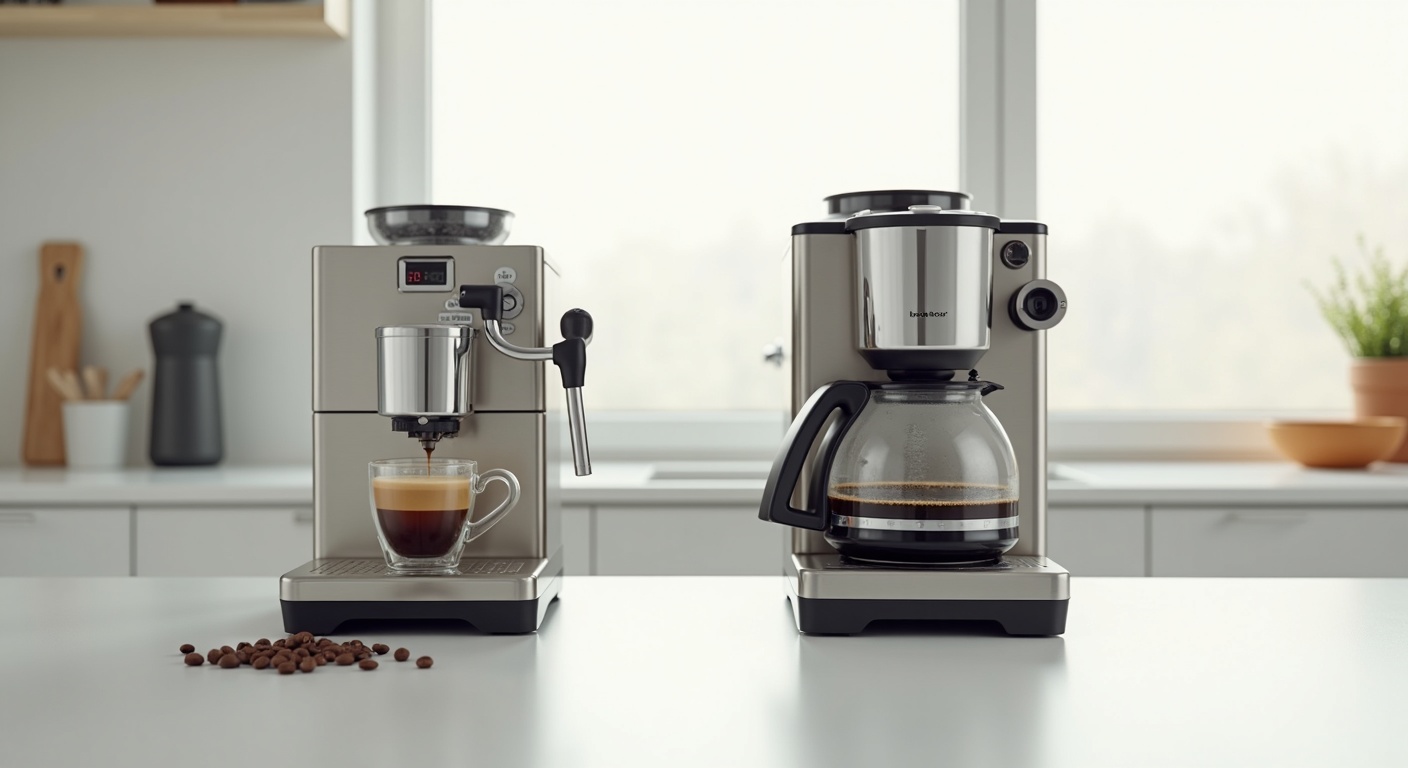
Choosing between an espresso machine vs coffee brewer is one of the most important early decisions for anyone planning a cafe in Malaysia. Your equipment affects startup cost, drink menu, speed of service, staff training, maintenance, and even the type of customers you attract. While both options can produce great coffee, they serve different business models. An espresso machine supports espresso-based drinks such as latte, cappuccino, flat white, and long black, while a coffee brewer is better suited for batch coffee, drip coffee, and simple black coffee service. For cafe owners, the right choice depends less on personal taste and more on concept, location, budget, and daily workflow.
If you are still mapping out your overall business plan, it helps to start with a broader guide on how to start a coffee shop in Malaysia, because machine selection should follow your concept rather than lead it.
Why this decision matters for cafe owners
Many first-time operators focus on the machine itself, but the bigger question is how the machine fits into your business. In Malaysia, customer expectations vary widely depending on location. A neighbourhood kopitiam-style concept, a takeaway kiosk in Kuala Lumpur, a specialty cafe in Penang, and a hotel breakfast setup in Johor may all need very different coffee equipment.
An espresso machine can increase your menu value because milk-based coffees often carry healthy margins. However, it comes with higher equipment cost, more training requirements, and more moving parts to maintain. A coffee brewer is usually simpler, faster for batch service, and easier to manage with a lean team. That makes it attractive for offices, bakeries, breakfast counters, event catering, and cafes that want to keep operations streamlined.
What is an espresso machine?
An espresso machine forces hot water through finely ground coffee under pressure to produce a concentrated shot of espresso. Commercial units range from compact one-group models to larger two-group and three-group machines designed for busy environments. In a cafe setting, the espresso machine is often paired with a commercial grinder, milk pitcher, tampers, water filtration, and trained baristas.
Main strengths of an espresso machine
The biggest strength is menu flexibility. With one espresso base, you can serve espresso, Americano, cappuccino, latte, mocha, and other custom drinks. This is especially valuable in Malaysia, where many customers prefer milk-based drinks, flavoured beverages, and iced coffee options due to the warm weather.
Another advantage is perceived value. A cafe with a visible espresso setup often feels more premium. Customers may associate the machine with craftsmanship, specialty coffee, and a fuller cafe experience.
Main limitations of an espresso machine
The downside is complexity. Espresso quality depends on grind size, dosing, tamping, shot timing, machine temperature stability, and milk texturing skill. It also requires daily cleaning and regular servicing. For owners working with limited manpower, this can become operationally heavy.
Because of the higher upfront investment, you should evaluate machine cost alongside renovation, rent, and staffing. A realistic equipment plan matters just as much as the figures in your cafe startup cost budget in Malaysia.
What is a coffee brewer?
A coffee brewer typically refers to drip coffee equipment or batch brewing systems that make larger volumes of black coffee more efficiently. These systems can include filter coffee brewers, thermal servers, airpot brewers, or automated commercial batch brewers. They are common in breakfast service, quick-service counters, convenience-led concepts, and businesses that serve coffee in volume.
Main strengths of a coffee brewer
The biggest advantage is consistency at scale. A brewer can produce several cups in one cycle, which is ideal when customers want simple coffee quickly. It reduces the need for high-skill barista work and can help maintain service speed during morning rush periods.
A brewer also has a lower barrier to entry. In many cases, operators can get started with lower equipment cost, simpler training, and less complicated maintenance routines.
Main limitations of a coffee brewer
The main limitation is menu range. If your concept depends on latte art, milk coffee customisation, and premium espresso-based drinks, a standard coffee brewer will not meet customer expectations on its own. It is also less theatrical. Customers who enjoy the cafe ritual may perceive brewed coffee as simpler, even when the quality is good.
Espresso machine vs coffee brewer: key differences
1. Startup cost
In most cases, commercial espresso setups cost more than brewer setups. An espresso station usually includes the machine, grinder, water filter, knock box, milk jugs, cleaning tools, and often a better-designed bar counter. Depending on brand and capacity, the price difference can be significant.
A coffee brewer setup is often more affordable and scalable. This can make sense for a lean startup, a bakery adding coffee, or a smaller F&B operator testing demand before investing in a full specialty program.
2. Menu potential
This is where the espresso machine usually wins. If your customers are likely to order cappuccino, latte, iced latte, caramel macchiato-style drinks, or mocha, espresso is the stronger choice. In Malaysia, iced coffee demand is high, and espresso-based cold drinks tend to perform well in urban and mall locations.
If your concept is focused on breakfast, grab-and-go, or simple black coffee, a brewer may be enough. Some cafes also use both: espresso for specialty drinks and a brewer for quick batch coffee.
3. Speed and workflow
A coffee brewer is more efficient for serving many cups of plain coffee quickly. This is useful in environments such as offices, co-working spaces, hotel lounges, and buffet breakfast operations.
An espresso machine is fast in the hands of a trained barista, but drink-by-drink preparation can still slow down service during peak periods, especially if most orders include steamed milk or custom requests.
4. Staff training
Espresso requires more training. Staff need to understand extraction, grinder adjustment, milk steaming, and drink consistency. In businesses with higher staff turnover, this can add management pressure.
A coffee brewer is much easier to standardise. Team members can usually learn the process more quickly, which may reduce training time and inconsistency.
5. Maintenance and downtime
Both systems need cleaning, but espresso machines usually demand more attention. Group heads, steam wands, backflushing routines, grinder burrs, and water quality all matter. In Malaysia, choosing reliable coffee equipment, grinders, and responsive suppliers is important because machine downtime can directly affect sales.
For many operators, after-sales support is just as important as the machine brand. A good equipment supplier can help with installation, calibration, preventive maintenance, and replacement planning.
6. Customer positioning
If you want to position your cafe as premium or specialty-driven, an espresso machine often fits better. It supports the visual identity many modern cafes want. If your brand is about convenience, affordability, or high-volume service, a coffee brewer may align better with your concept.
When an espresso machine is the better choice
An espresso machine makes sense when your business depends on coffee as a main revenue driver rather than a supporting add-on. It is usually the better fit if:
- Your menu focuses on espresso-based drinks and iced milk coffees
- Your target market expects cafe-style coffee
- You want stronger average order value through add-ons and drink customisation
- You have the budget for skilled staff, maintenance, and a proper setup
- Your cafe brand aims for a specialty or lifestyle positioning
This is common for standalone cafes, dessert cafes, brunch spots, and urban takeaway coffee bars throughout Malaysia.
When a coffee brewer is the better choice
A coffee brewer is often the smarter option when coffee supports the business rather than defines it. It is usually the better fit if:
- You mainly serve black coffee or breakfast coffee
- You need high-volume, low-complexity service
- You operate with a small team and want easy training
- You have a tighter startup budget
- Your customers value speed and convenience over coffee theatre
This is common for bakeries, corporate pantries, event venues, canteens, casual eateries, and compact kiosks.
Should a cafe use both?
For some concepts, the best answer in the espresso machine vs coffee brewer debate is not one or the other, but both. A dual setup allows you to serve espresso-based drinks for customers who want lattes and cappuccinos, while also offering batch coffee for quick and economical service.
This works well for larger cafes, hotels, breakfast-heavy venues, and businesses with mixed traffic patterns. During busy periods, batch coffee can reduce pressure on the barista station. It can also improve margin on black coffee and speed up service for dine-in and takeaway customers.
Of course, using both increases equipment cost and space requirements, so it is not always suitable for smaller operations.
How to choose based on your cafe concept
Specialty cafe
An espresso machine is usually essential. Customers expect quality espresso, milk texturing, and often manual brewing as well.
Bakery or pastry cafe
If coffee is complementary, a brewer may be enough at the beginning. If you expect strong beverage sales, adding espresso can increase ticket size.
Takeaway kiosk
Espresso often performs well if your menu is compact and operational flow is efficient. However, a brewer can work for locations that prioritise speed and lower startup cost.
Office or corporate service
A brewer is often more practical due to ease of use, volume, and consistency.
Hotel breakfast or buffet
Batch brewing is usually more efficient, though a separate espresso station can be added for premium service tiers.
Financial considerations beyond the machine price
Too many owners compare only the sticker price. In reality, total cost includes grinder quality, water filtration, cups, beans, electricity, staff time, maintenance, and service calls. Espresso setups can generate strong returns, but only if demand is there and quality stays consistent.
On the other hand, a brewer may look simpler but can limit your ability to sell higher-margin milk-based drinks. The best decision is the one that matches your expected customer demand and operating model.
Marketing impact of your coffee setup
Your equipment choice also shapes your marketing. Espresso-based drinks tend to perform well in social media visuals because they are more photogenic and customisable. Seasonal beverages, iced creations, and signature lattes are easier to promote when you have an espresso machine.
If you are building a cafe brand, your menu and equipment should support your positioning. Promotions, launch offers, and content strategy all work better when tied to a clear concept, which is why many operators also think ahead about cafe marketing strategies in Malaysia while planning equipment and menu together.
Recommended services section
If you are deciding between an espresso machine and a coffee brewer, it may be worth speaking with experienced coffee equipment suppliers before you commit. The right supplier can recommend suitable machines, grinders, water filtration, and maintenance support based on your concept, expected volume, and budget. This is especially useful for new cafe owners who want to avoid buying equipment that is either oversized, undersized, or difficult to maintain.
You may also benefit from suppliers that offer installation guidance, bar setup advice, and training support, especially if your team is new to commercial coffee operations.
Final verdict
In the espresso machine vs coffee brewer comparison, there is no universal winner. The better option depends on what kind of cafe you want to build. If your concept revolves around espresso-based drinks, premium positioning, and strong beverage margins, an espresso machine is usually the better investment. If you need simple, fast, and efficient coffee service with a lower training burden, a coffee brewer may be the smarter operational choice.
For many Malaysian cafe businesses, the final answer comes down to matching customer demand with realistic operations. Buy for your workflow, your market, and your menu, not just for looks. The right coffee setup should make service smoother, protect margins, and support the experience your customers expect.
