

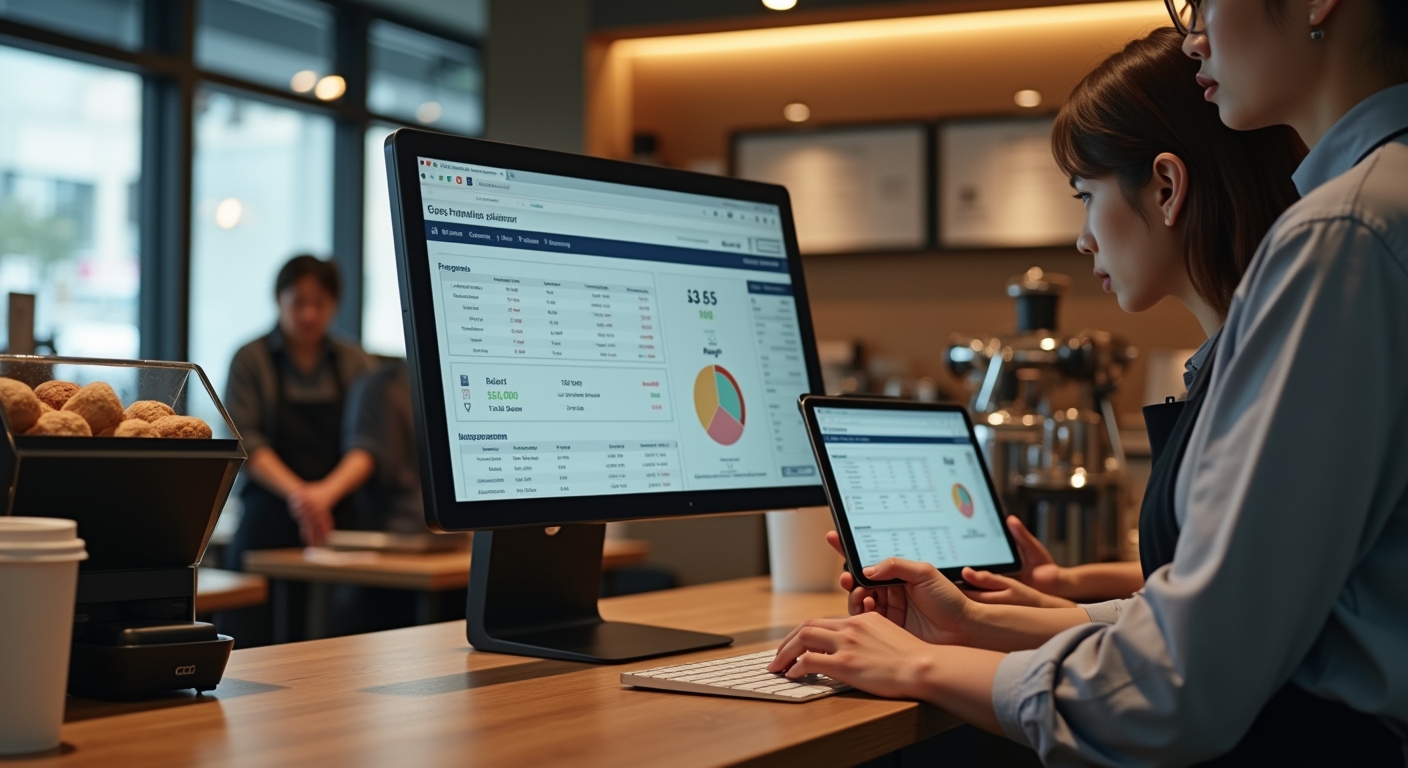
Choosing the right accounting software cafe owners can rely on is not just an admin decision. For cafés in Malaysia, it affects daily cash flow, stock decisions, payroll accuracy, tax filing, and long-term profitability. Whether you run a small neighbourhood coffee bar, a dessert café, or a growing multi-outlet brand, your accounting system should help you understand where money is coming from, where it is going, and how to make better decisions faster.
Many café owners begin with spreadsheets, handwritten records, or only the reports inside their POS system. That may work in the very early stage, but it often becomes messy once monthly sales increase, suppliers multiply, or staffing costs rise. A proper accounting setup gives you cleaner records, better bookkeeping, easier tax planning, and more accurate profit tracking for cafes. In Malaysia, this is especially important when managing SST considerations, payroll, supplier payments, and year-end compliance.
If you are still planning your business, it helps to first understand the bigger picture of how to start a coffee shop in Malaysia, because your accounting tools should match your operating model from day one.
Why accounting software matters for cafés
Cafés are not like many other small businesses. You deal with fast daily transactions, cash and e-wallet payments, supplier invoices, wastage, staff scheduling, promotions, and narrow margins. That creates a lot of moving parts. Good accounting software turns those transactions into useful financial information.
At the most basic level, accounting software helps you record income and expenses properly. But for a café, the real value goes beyond simple recordkeeping. It can help you identify which menu categories perform best, whether your labour cost is too high, whether delivery platforms are eating into margin, and whether your outlet is truly profitable after rent and overheads.
Without clear reporting, some café owners assume they are doing well because sales look busy. In reality, heavy discounting, poor inventory control, and rising ingredient costs can quietly reduce profits. A reliable accounting software cafe setup makes those issues more visible before they become serious.
Common financial challenges café owners face
Before choosing a system, it helps to understand the problems it should solve. Most café businesses in Malaysia face a similar set of accounting and reporting challenges.
High transaction volume
Cafés process many low-to-medium value transactions daily. If sales data is not synced properly with your accounting records, reconciliation can become time-consuming and error-prone.
Inventory cost fluctuations
Coffee beans, milk, syrups, pastries, packaging, and fresh ingredients do not always stay at the same cost. If you are not tracking purchases well, your gross profit may look better on paper than it really is.
Multiple payment methods
Most Malaysian cafés now accept cash, cards, QR payments, e-wallets, online ordering, and delivery platform payouts. Each payment channel can have different fees, settlement timing, and reconciliation requirements.
Labour and payroll complexity
Shift workers, part-timers, overtime, EPF, SOCSO, and EIS all add complexity. If your accounts are not organised, payroll costs may be recorded late or inaccurately.
Tax and compliance pressure
Even small café owners need proper bookkeeping for tax filing, financial statements, and business planning. Poor records can create stress at year end and make tax planning much harder than it needs to be.
What to look for in accounting software for a café
Not every system is built for food and beverage businesses, but many can work well if they have the right features. When comparing options, focus on practical needs instead of only brand popularity.
1. Easy bank reconciliation
Your software should make it simple to match bank transactions with sales, supplier payments, rent, utilities, and payroll. This saves time and reduces bookkeeping mistakes.
2. Integration with POS systems
If your café uses a POS, look for software that can import or sync daily sales summaries. This reduces manual entry and helps ensure reports stay up to date.
3. Expense categorisation
You should be able to separate costs clearly, such as ingredients, packaging, wages, rent, utilities, delivery platform fees, and marketing. Clean categories support better profit tracking for cafes.
4. Invoice and bill management
Supplier bills from coffee roasters, dairy vendors, bakery partners, and equipment providers should be easy to record and track. This helps with cash flow planning and payment timing.
5. Multi-user access
If you have a manager, bookkeeper, accountant, or business partner, multi-user access is useful. It lets the right people view or manage the data without sharing one login.
6. Financial reporting
At minimum, you want a clear profit and loss statement, balance sheet, cash flow overview, and expense trends. Better systems also let you compare monthly performance and track outlet-level numbers.
7. Cloud access
Cloud-based software is often a smart choice for cafés because you can check reports anywhere, whether you are at the outlet, meeting suppliers, or working from home.
8. Support for Malaysian business needs
The best fit should align with local tax, payroll, and reporting needs. Even if you use an international platform, make sure your accountant or finance partner can adapt it properly for your Malaysian café business.
Key reports every café owner should review
Buying software is only part of the solution. You also need to know which reports to actually use. Too many owners pay for a system and then only check bank balance and total sales.
Profit and loss statement
This is one of the most important reports for a café. It shows revenue, cost of goods sold, operating expenses, and net profit over a period. It helps you answer a simple but critical question: are you really making money?
Gross profit margin
This tells you how much money remains after direct product costs. If milk, beans, pastries, or takeaway packaging have become more expensive, your gross margin can shrink even when sales rise.
Cash flow report
Profit and cash are not the same thing. A café can be profitable but still struggle to pay suppliers if cash flow is poorly managed. This report helps you understand timing.
Expense breakdown
Look at where your money goes each month. Major categories often include rent, salaries, ingredients, utilities, software subscriptions, and platform commissions. This report is useful when budgeting or reviewing cost control.
Sales by channel
If possible, track dine-in, takeaway, online delivery, and retail product sales separately. This can reveal which channels support stronger margins.
When reviewing your numbers, it is also helpful to compare them with broader planning assumptions such as your rental burden, renovation payback, and equipment investment. That is why many operators read up on café startup costs in Malaysia before deciding how much financial visibility they need from day one.
Types of accounting software café owners may consider
There is no single best platform for every café. The right option depends on size, budget, workflow, and whether you need integration with other tools.
Basic small business accounting platforms
These are suitable for owner-operated cafés and early-stage businesses. They usually cover invoicing, expense tracking, bank reconciliation, and standard financial reporting. They are often enough for a single-outlet operation with manageable transaction volume.
Accounting software with POS integration
This setup works well for cafés that want sales data pushed from the POS into accounting automatically. It reduces manual work and gives a more accurate view of daily revenue.
Inventory-linked systems
If your café has a large menu, central kitchen, or retail product line, inventory-linked tools may be valuable. They can support better cost control, especially when ingredient usage is significant.
ERP or advanced finance systems
These are usually more suitable for larger café groups or multi-branch operations. They can support deeper reporting, multi-outlet analysis, and more formal approval workflows, but they may be excessive for a small independent café.
Cloud vs desktop accounting software
For most modern cafés in Malaysia, cloud software is usually the more practical choice. It allows real-time access, easier collaboration with accountants, and automatic updates. It is also helpful if owners are not always on site.
Desktop software may still work for some businesses that prefer offline control or already have an established internal finance process. However, it can be less flexible and may require more effort to maintain, back up, and share data.
If your café team is lean and you want visibility without being tied to one office computer, cloud-based accounting software cafe owners can access remotely is often the better route.
How accounting software supports better decision-making
A lot of owners think accounting is mainly about tax, compliance, or keeping records for the accountant. In reality, good accounting data should help you run the café better.
Menu pricing decisions
If ingredient costs have gone up, your reports can show whether current menu pricing still protects margin. You may discover that some drinks are popular but less profitable than expected.
Staffing efficiency
When labour costs are tracked accurately, you can compare them with sales trends and identify whether scheduling needs adjustment on slower days.
Expansion planning
If you want to open another outlet, proper financial records make forecasting easier. You can estimate how much working capital, renovation budget, and staffing reserve you really need.
Marketing return
Promotions and digital campaigns should not only create noise; they should support profitable sales. If you plan to invest in growth, it is worth understanding café marketing strategies in Malaysia alongside sales and margin reporting so your promotions do not hurt your bottom line.
Signs your current setup is no longer enough
If you are still unsure whether you need proper accounting software, watch for these warning signs:
- You rely heavily on spreadsheets and manual calculations.
- You do not know your monthly net profit with confidence.
- Bank reconciliation takes too long every month.
- You struggle to track supplier bills and payment due dates.
- You are unsure how much cash the business really has available.
- Your accountant frequently asks for missing or corrected records.
- You cannot easily compare branch or monthly performance.
Any one of these issues can slow down decision-making. Several of them together usually mean your current system is costing time and clarity.
Implementation tips for café owners
Even the best software will not help if it is set up poorly. A few practical steps can make a big difference.
Keep your chart of accounts clean
Do not create too many overlapping categories. Keep expense accounts practical and clear, such as beverages, food ingredients, packaging, wages, rent, utilities, and marketing.
Separate business and personal spending
This sounds basic, but it remains a common issue in small businesses. Use dedicated business accounts so records stay accurate.
Reconcile weekly, not only monthly
Weekly checks make it easier to catch errors early, especially if your café processes many digital payments.
Train the right people
Your outlet manager or admin staff does not need to become a full accountant, but they should know how to upload bills, label expenses correctly, and close out daily sales properly.
Review reports consistently
Set a monthly routine to review revenue, gross margin, labour cost, overheads, and net profit. A system only adds value when the numbers are actually used.
Recommended services section
If you are setting up or improving your accounting software cafe workflow, it may help to work with a professional who understands bookkeeping, tax planning, and profit tracking for cafes. The right support can help you structure your chart of accounts properly, clean up reporting, and turn raw sales data into more useful business insights. This is especially helpful for busy café owners who want better financial visibility without building a full in-house finance team.
Final thoughts
The right accounting software is not just for large companies or finance-heavy businesses. For cafés in Malaysia, it can be one of the most useful tools for staying organised, protecting margins, and making better decisions. From daily sales reconciliation to year-end reporting, a reliable system gives owners more control and fewer surprises.
If you are choosing your first system, focus on ease of use, clear reporting, POS compatibility, and suitability for your café’s current size. If you already have software but still feel unsure about your numbers, the real issue may be setup, bookkeeping discipline, or how reports are being interpreted. In all cases, better accounting creates a stronger foundation for sustainable café growth.
