

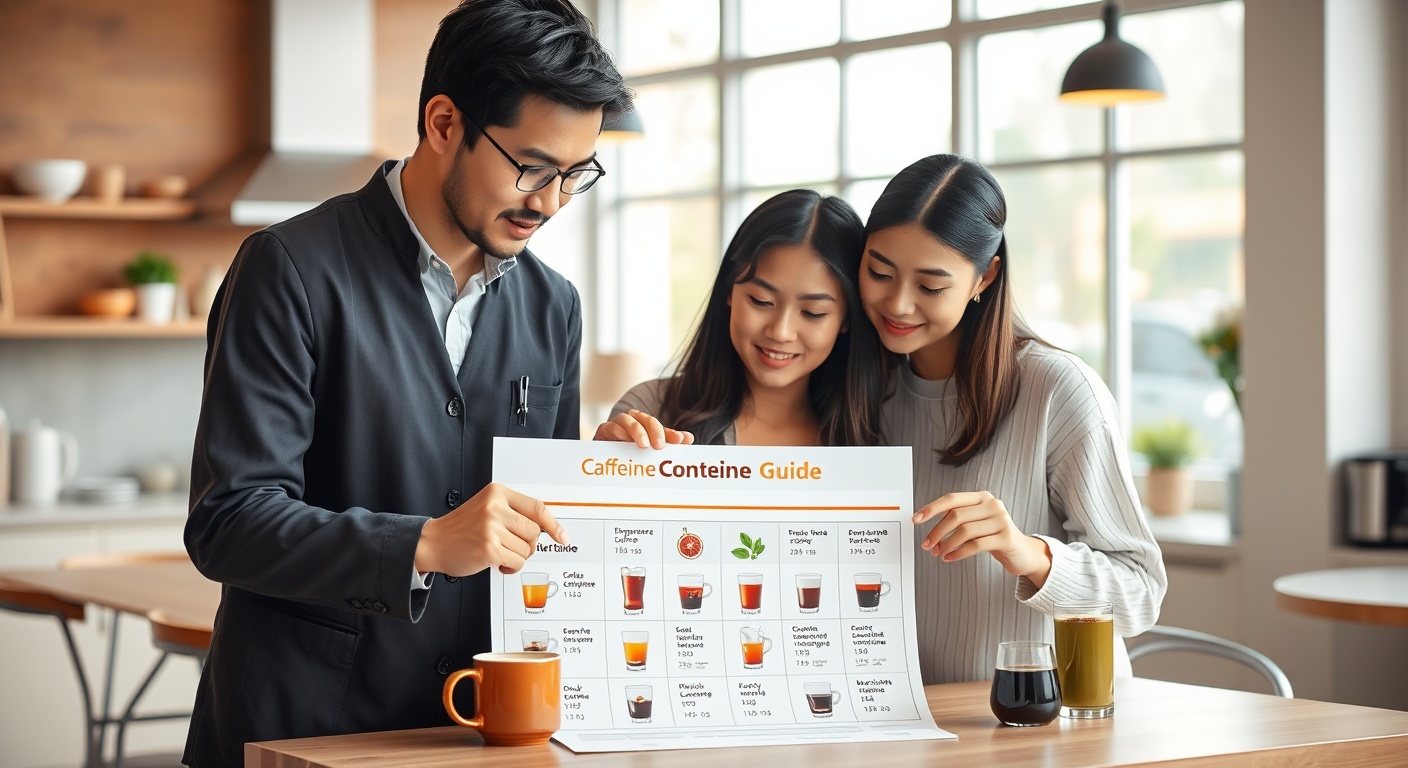
If you have ever wondered why one cup leaves you feeling focused while another keeps you awake until late, understanding caffeine content coffee is a good place to start. Not all coffee drinks contain the same amount of caffeine, and strength is not always easy to judge by taste alone. In Malaysia, where kopi, espresso-based drinks, cold brews and pour overs are all widely available, knowing roughly how much caffeine is in your cup can help you choose the right drink for your routine, tolerance and brewing style.
This guide breaks down the typical caffeine levels in popular coffee drinks, explains what affects caffeine extraction, and clears up common myths such as whether darker roasts always have more caffeine. If you are still exploring different styles, our guide to coffee brewing methods gives useful context on how each brew works and why caffeine can vary from one method to another.
What Does Caffeine Content in Coffee Actually Mean?
Caffeine content refers to the amount of caffeine present in a serving of coffee. It is usually measured in milligrams, or mg. A cup labelled as “strong” may taste bold, smoky or bitter, but that does not automatically mean it contains more caffeine. Flavour intensity and caffeine level are related only in certain cases.
For most people, caffeine content matters because it affects alertness, energy and sleep. Some coffee drinkers in Malaysia prefer a high-caffeine morning cup before commuting or work, while others want something gentler for the afternoon. The key point is that caffeine content depends on several factors, including bean type, brew method, dose, grind size, extraction time and serving size.
Average Caffeine Content by Coffee Type
Here are common ranges for typical coffee drinks. These are estimates, not fixed numbers, because recipes vary between cafes, home brewers and brands.
Espresso
A single shot of espresso usually contains around 60 to 75 mg of caffeine. A double shot often lands around 120 to 150 mg. Even though espresso is served in a small volume, it is highly concentrated. That is why drinks like flat whites, lattes and cappuccinos can still contain a meaningful caffeine amount if they use double shots.
Americano
An Americano is made by adding water to espresso. Because the caffeine comes from the espresso shots used, a typical Americano with a double shot may contain about 120 to 150 mg of caffeine. The drink tastes less concentrated than straight espresso, but the caffeine can be similar.
Drip Coffee
A standard cup of drip coffee usually contains about 95 to 200 mg of caffeine, depending on the brew ratio and serving size. Larger servings naturally contain more caffeine. This is one reason brewed coffee can sometimes have more caffeine overall than espresso, even if it tastes less intense.
Pour Over Coffee
Pour over coffee often falls within a similar range to drip coffee, around 120 to 180 mg per serving. It depends on how much coffee is used, how much water passes through the grounds and how large the cup is. If you are interested in how beans influence flavour and extraction, our coffee beans guide can help explain why different origins and varieties behave differently in brewing.
French Press
French press coffee often contains roughly 80 to 135 mg of caffeine per cup, though larger mugs can go higher. Since the grounds stay fully immersed in water for several minutes, extraction can be quite efficient. The result is often a full-bodied cup with a solid caffeine level.
Cold Brew
Cold brew is often one of the most misunderstood drinks when discussing caffeine content coffee. It can be very high in caffeine, especially when prepared as a concentrate. A ready-to-drink serving may contain about 100 to 200 mg, while concentrated versions can exceed that significantly if not diluted properly.
Instant Coffee
Instant coffee generally contains less caffeine than many brewed coffee options, often around 30 to 90 mg per cup. This makes it a practical choice for people who want convenience and a milder caffeine hit.
Decaf Coffee
Decaf is not completely caffeine-free. A typical cup may still contain 2 to 15 mg of caffeine. For people reducing intake, it is still much lower than regular coffee, but not zero.
Malaysian Kopi
Traditional Malaysian kopi can vary widely in caffeine content because preparation styles differ across kopitiams and households. A strong cup brewed with a generous dose of ground coffee may deliver a caffeine level comparable to brewed coffee or higher, especially in larger servings. Sweeteners and condensed milk affect taste and texture, but they do not reduce caffeine. For a broader look at local coffee culture and common drinks, see our Malaysia coffee guide.
Why Caffeine Levels Vary So Much
Two cups of coffee can look almost identical and still have very different caffeine levels. Here are the biggest reasons why.
Bean Species
Arabica and Robusta are the two best-known commercial coffee species. Robusta generally contains much more caffeine than Arabica, often nearly double. That means a blend with more Robusta may produce a stronger caffeine effect even if the cup size is the same. In Southeast Asia, including Malaysia, Robusta appears in many traditional and commercial blends because it offers body, bitterness and cost efficiency.
Roast Level
A common myth is that dark roast always has more caffeine. In reality, roast level has less impact than many people assume. Light and dark roasts are usually fairly close in caffeine when measured by weight. If measured by scoop instead of grams, lighter beans may contain slightly more caffeine because they are denser. The difference is usually smaller than the effect of dose and brewing style.
Coffee Dose
The more ground coffee used, the more caffeine can be extracted. A cafe that uses 20 grams for a double espresso will often produce a more caffeinated drink than one using 16 grams, assuming similar extraction.
Grind Size
Finer grounds expose more surface area and can increase extraction speed. This matters a lot in espresso, where water contact time is short. Grind size alone does not guarantee higher caffeine, but it plays an important role in how much gets extracted into the cup.
Brewing Time
Longer contact between water and coffee grounds usually extracts more caffeine, up to a point. French press and cold brew both rely on longer contact times, though temperature also influences extraction differently.
Water Temperature
Hot water extracts compounds quickly, including caffeine. Cold water extracts more slowly, which is why cold brew requires many hours. Because cold brew often uses a high coffee-to-water ratio, the final drink can still be very caffeinated.
Serving Size
This is one of the simplest but most overlooked factors. A small espresso may be concentrated, but a large mug of brewed coffee can contain more caffeine in total. Always look at both concentration and total volume.
Does Stronger Taste Mean More Caffeine?
Not necessarily. Bitterness, roastiness and body can make a coffee seem stronger, but caffeine itself is only one part of flavour perception. A dark roast brewed heavily may taste intense, while a lighter roast filter coffee may contain more total caffeine in the cup.
Milk-based drinks create even more confusion. A latte may taste milder than an espresso because milk softens the flavour, yet if it contains a double shot, the caffeine can still be substantial. That is why it helps to think in terms of the actual recipe rather than taste alone.
Espresso vs Brewed Coffee: Which Has More Caffeine?
This depends on whether you compare by volume or by serving. Espresso has more caffeine per millilitre, so it is more concentrated. Brewed coffee usually has more caffeine per full cup because the serving size is much larger. For example, a double espresso may contain 130 mg of caffeine, while a 350 ml brewed coffee may contain 150 mg or more.
This distinction matters for people ordering coffee on the go. A small long black or Americano made with two shots can be similar in caffeine to a regular latte with two shots, while a larger batch brew may exceed both.
How to Estimate Caffeine in Cafe Drinks
If a cafe does not list caffeine content, you can still make a reasonable estimate by looking at the base drink.
Ask About the Number of Shots
Most espresso-based drinks depend on one or two shots, though larger iced drinks may use more. A single shot often means around 60 to 75 mg, and a double shot around 120 to 150 mg.
Check the Cup Size
A larger cup does not always mean more caffeine if the number of shots stays the same, but many cafes increase the recipe for larger sizes. For brewed coffee, bigger cups often mean higher total caffeine.
Understand the Brew Format
Cold brew, batch brew and filter coffee can all vary widely. If the drink is made from concentrate or a stronger brew ratio, caffeine may be higher than expected.
How Much Caffeine Is Too Much?
Many healthy adults can tolerate around 400 mg of caffeine per day, though individual sensitivity varies. Some people feel fine after several cups, while others experience jitters, a racing heart or poor sleep after a single strong coffee. Teenagers, pregnant individuals and people with certain health conditions may need lower intake and should follow medical advice.
In practical terms, 400 mg could be reached with about:
- 2 large high-caffeine brewed coffees
- 3 double-shot milk coffees
- 2 strong cold brews
- 5 to 6 single espressos
These are only rough examples. The exact amount depends on the drink recipe.
Tips for Managing Your Coffee Caffeine Intake
Choose Smaller Servings
If you enjoy coffee but want less caffeine, start by reducing cup size before switching drinks completely.
Pick Milk-Based Drinks with Fewer Shots
A small cappuccino with one shot may work better for sensitive drinkers than a large cold brew.
Switch to Decaf Later in the Day
This is a simple strategy if you enjoy the ritual of coffee but want to protect sleep.
Watch for Hidden High-Caffeine Choices
Cold brew, large filter coffee and extra-shot drinks can add up quickly, especially when consumed alongside tea or energy drinks.
Track Your Personal Response
General caffeine advice is useful, but your own tolerance matters most. If coffee affects your sleep even at moderate levels, timing may be more important than total intake.
Common Myths About Caffeine Content Coffee
Dark Roast Has Much More Caffeine
Usually false. The difference is small compared with brew ratio and serving size.
Espresso Is Always the Most Caffeinated Drink
False if comparing total serving amount. Espresso is more concentrated, but a full cup of brewed coffee may contain more caffeine overall.
Cold Brew Is Always Stronger Than Hot Coffee
Not always. Some cold brew is diluted for serving, while some is highly concentrated. Recipe matters.
Decaf Means Zero Caffeine
False. Decaf still contains a small amount of caffeine.
Best Coffee Choices Based on Caffeine Needs
For a Quick Strong Boost
Espresso or a double-shot flat white gives a concentrated caffeine hit without a large volume.
For Longer Sipping Through the Morning
Drip coffee, pour over or an Americano offers a steadier experience in a larger cup.
For Lower Caffeine
Instant coffee, single-shot milk drinks or decaf can be good options.
For Hot Weather in Malaysia
Iced Americano and cold brew are popular choices, but check the serving size and recipe because caffeine can climb quickly in larger iced drinks.
Final Thoughts
Understanding caffeine content coffee helps you make better choices whether you brew at home, order at a specialty cafe or enjoy a traditional cup of kopi. The most important thing to remember is that caffeine is shaped by more than just roast or taste. Bean species, dose, brew method, extraction time and cup size all play a role.
If you want a simple rule, look first at the brew style and serving size, then ask how much coffee or how many espresso shots are being used. That approach gives a more accurate picture than judging by flavour alone.
If you enjoy practical coffee guides like this, subscribe to our newsletter for more tips on brewing, beans, cafe trends and coffee culture in Malaysia.
