

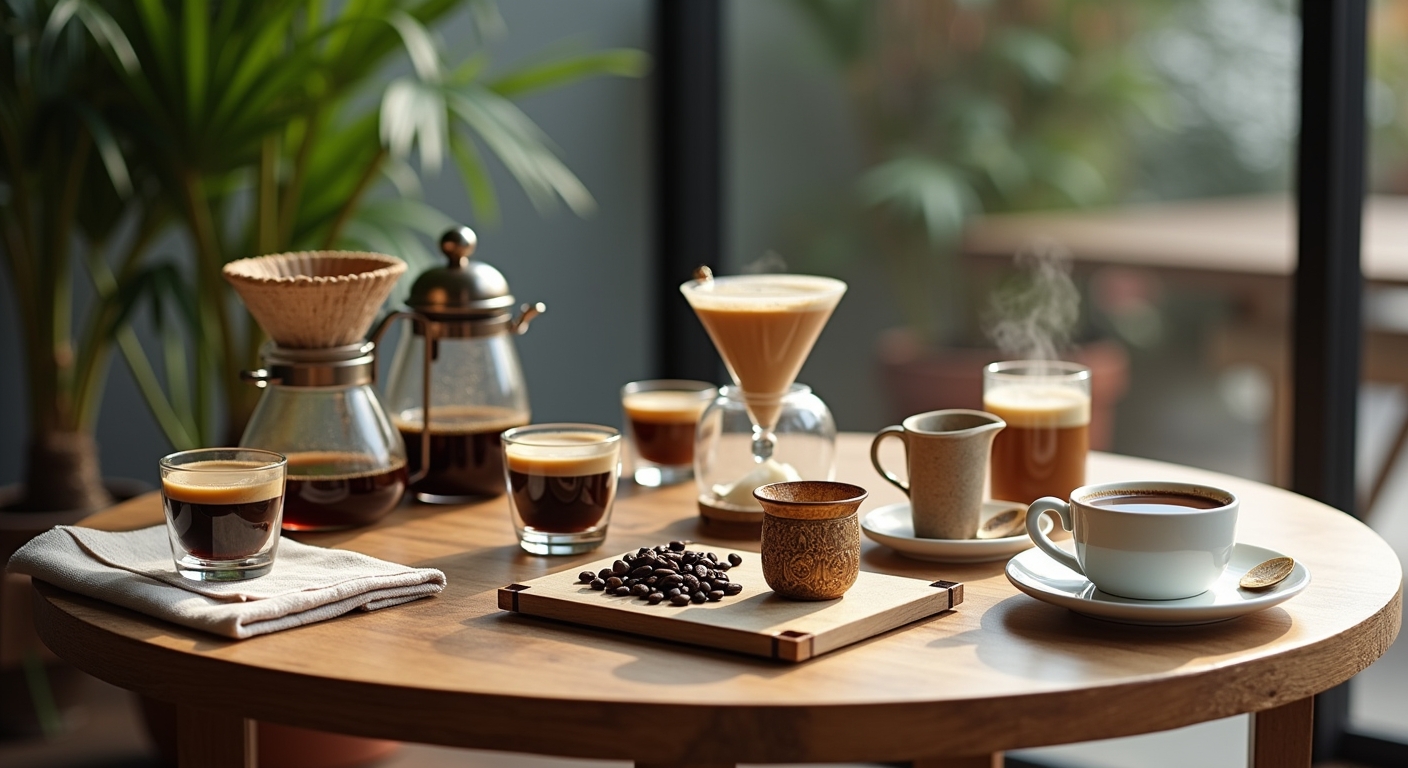
Coffee is one of the few drinks that feels both deeply personal and universally shared. From fast espresso shots at a bar in Italy to slow-brewed cups enjoyed during long conversations in the Middle East, coffee tells a story about people, place, and routine. Understanding coffee culture around the world helps us see that coffee is not just about flavour or caffeine. It is about hospitality, identity, community, and daily rituals that have developed over generations.
For Malaysians, this global perspective feels especially relevant. Malaysia itself has a rich and diverse coffee heritage, shaped by kopitiam traditions, modern specialty cafes, and multicultural food culture. If you want a broader look at local coffee habits, you can also explore our guide to coffee culture in Malaysia. In this article, we travel through different regions to see how coffee is prepared, served, and appreciated across the world.
Why coffee culture differs from country to country
Coffee may come from beans, water, and heat, but what happens after that depends heavily on culture. Geography, colonial history, religion, trade routes, economics, and even climate all influence the way people drink coffee. In some places, coffee is quick and functional. In others, it is ceremonial and slow. Some cultures prize intense dark roasts, while others focus on clarity, terroir, and brewing precision.
These differences are why global coffee traditions remain so fascinating. A cup of coffee in one country can represent status, generosity, family, business, or even spirituality. That is also why anyone interested in coffee should look beyond the drink itself and pay attention to context.
Italy: speed, ritual, and espresso culture
Italy has shaped modern coffee habits more than almost any other country. For many people, espresso is the first image that comes to mind when thinking about European coffee. In Italy, coffee is woven into the rhythm of everyday life. People often stand at the bar, order an espresso, drink it quickly, and continue with their day. It is less about lingering for hours and more about a reliable daily ritual.
The Italian approach to coffee
Italian coffee culture is built on consistency, simplicity, and social routine. Espresso is the foundation, but drinks such as cappuccino, macchiato, and caffe8 latte are also well known globally. Interestingly, local customs matter. Cappuccino is commonly associated with mornings, while espresso can be enjoyed throughout the day.
This structure has influenced cafe design and service worldwide, including many urban coffee spots in Southeast Asia. If you are exploring broader coffee habits and preferences, our coffee lifestyle guide offers a useful starting point.
Tfcrkiye: coffee as hospitality and heritage
Turkish coffee is one of the most distinctive traditions in the world. Finely ground coffee is simmered in a small pot called a cezve and served unfiltered, often in small cups. The result is rich, strong, and textured, with grounds settling at the bottom.
More than a beverage
In Tfcrkiye, coffee is closely tied to hospitality and social etiquette. Serving coffee to guests is a sign of welcome and respect. It is also associated with celebration, conversation, and cultural ritual. Turkish coffee is not rushed. It invites people to sit, talk, and connect.
Its enduring popularity shows that coffee culture around the world is not always driven by modern machines or cafe trends. Sometimes the most powerful coffee traditions are the ones rooted in ceremony and memory.
Ethiopia: the birthplace of coffee
Ethiopia holds a special place in coffee history as the widely recognised birthplace of Arabica coffee. Coffee here is not only an agricultural product but also an essential part of social life. The Ethiopian coffee ceremony remains one of the most meaningful coffee traditions anywhere.
The coffee ceremony
During the ceremony, green coffee beans are roasted, ground, and brewed in front of guests. The process is intentional and communal, often accompanied by incense and multiple rounds of coffee. It can take time, but that is the point. The ceremony encourages presence, conversation, and respect.
This tradition reminds us that coffee can be a medium for connection. In a fast-moving world where takeaway coffee is common, Ethiopia offers a different perspective: coffee as an experience rather than a transaction.
France: cafe life and social observation
French coffee culture is closely linked to cafe life. Cafes in Paris and other cities have long been spaces for writers, artists, politics, and people-watching. While espresso-based drinks are common, the larger cultural image is the cafe itself as a social stage.
The role of the cafe
In France, sitting at a cafe terrace can be as important as the coffee in the cup. It is a place to pause, observe the street, meet friends, or spend quiet time alone. Coffee becomes part of a lifestyle built around urban public life.
This idea has influenced cafe culture globally, including in Malaysia, where many modern cafes now blend coffee quality with ambience, design, and social experience.
Vietnam: strength, sweetness, and innovation
Vietnam has one of the most recognisable coffee identities in Asia. Vietnamese coffee often uses robusta beans, which contribute body, strength, and bitterness. Combined with sweetened condensed milk, this creates the iconic ca phe sua da, a bold iced coffee that balances intensity with sweetness.
A practical and memorable style
Vietnamese drip coffee, brewed through a phin filter, is simple yet effective. It reflects a practical approach to coffee while delivering a flavour profile that stands out immediately. Egg coffee is another uniquely Vietnamese creation, showing how local ingredients and tastes can shape entirely new styles.
Vietnam proves that coffee culture around the world is not only about preserving tradition. It is also about adaptation and creativity.
Japan: precision, patience, and craftsmanship
Japan brings a distinctive sense of discipline and refinement to coffee. Kissaten, or traditional coffee houses, helped establish a culture of careful brewing and quiet appreciation. In more recent years, Japan has also become famous for hand-drip coffee, meticulous equipment, and high service standards.
Attention to detail
Japanese coffee culture often values consistency, precision, and atmosphere. Whether it is siphon brewing, pour-over technique, or carefully curated cafe interiors, the focus is on delivering a thoughtful experience. Coffee is treated with seriousness, but also with artistry.
This has inspired many specialty cafes across the region, including in Kuala Lumpur, Penang, and Johor Bahru, where customers increasingly appreciate origin, extraction, and brew method.
The United States: convenience meets specialty coffee
American coffee culture is broad and sometimes contradictory. On one hand, it is associated with grab-and-go convenience, large cups, and coffee as fuel for work. On the other, the United States played a major role in the rise of specialty coffee, third-wave cafes, and consumer education around sourcing and brewing.
From diner coffee to single origin
The range is wide: classic diner refills, drive-through coffee, seasonal flavoured drinks, and highly curated single-origin offerings all exist side by side. This diversity reflects the scale of the market and the variety of consumer expectations.
Many global cafe trends, including those seen in Malaysia, have been shaped by American coffee branding and specialty cafe movements. For readers interested in how coffee choices connect with daily habits and wellbeing, our article on coffee benefits and everyday enjoyment adds another useful angle.
Middle Eastern traditions: spiced coffee and generosity
Across parts of the Middle East, coffee carries deep social and symbolic meaning. Arabic coffee, often lightly roasted and spiced with cardamom, is served in small cups and offered as a gesture of respect and hospitality. The act of serving matters as much as the drink itself.
A symbol of welcome
In these traditions, coffee can mark formal visits, family gatherings, and important conversations. The host-guest relationship is central, and coffee becomes a ritual of generosity. This shows once again that coffee culture around the world cannot be reduced to recipes alone. Social values are part of every cup.
Scandinavia: simplicity and everyday comfort
Countries such as Sweden, Norway, Denmark, and Finland are known for strong coffee-drinking habits. In Scandinavia, coffee is often tied to comfort, routine, and social pauses. Swedene28099s fika, for example, is more than a coffee break. It is a cultural practice of slowing down, sharing coffee, and often enjoying a pastry with others.
The power of the coffee break
Scandinavian coffee culture highlights balance. Coffee is integrated into work life, home life, and social life without needing to be elaborate. It shows how even simple coffee habits can become meaningful cultural traditions.
Australia and New Zealand: cafe standards and flat white pride
Australia and New Zealand are often praised for their strong cafe culture and high espresso standards. The flat white, now popular around the world, is closely associated with this region. Consumers there tend to have clear expectations for milk texture, espresso quality, and barista skill.
Neighbourhood cafe culture
In many Australian and New Zealand cities, the local cafe acts as a neighbourhood hub. Regular customers know their baristas, and quality is expected even in casual settings. This focus on accessibility and standards has influenced specialty coffee scenes worldwide.
Malaysia: a meeting point of tradition and modern coffee
Malaysia deserves a place in any conversation about global coffee habits because it reflects both heritage and change. Traditional kopitiam coffee, often roasted with margarine or sugar and served with kaya toast or soft-boiled eggs, remains an important part of local life. At the same time, specialty cafes continue to grow in popularity, bringing manual brew methods, single-origin beans, and new cafe concepts to Malaysian consumers.
Why Malaysia stands out
Few countries showcase such a visible contrast between old and new coffee cultures in everyday life. A customer might enjoy kopi O at breakfast, an iced latte in the afternoon, and a pour-over on the weekend. This flexibility mirrors Malaysiae28099s multicultural food identity and openness to global influence.
That is why learning about coffee culture around the world often resonates strongly with Malaysian readers. We already live within a coffee scene that blends history, migration, taste, and innovation.
What global coffee traditions teach us
Looking at coffee customs across continents reveals a bigger truth: there is no single correct way to enjoy coffee. Some cultures prioritise speed, some value ceremony, and some focus on craftsmanship. Each tradition reflects local values and circumstances.
For coffee drinkers, this makes the experience richer. Trying new methods or understanding a drinke28099s cultural roots can deepen appreciation far beyond taste alone. For cafe owners and industry professionals, it can also offer inspiration for menu design, customer experience, and storytelling.
How to explore world coffee culture for yourself
You do not need to travel to every country to appreciate global coffee traditions. Start by trying different brew styles, learning where beans come from, or visiting cafes that serve regional drinks. Read menus carefully. Ask why a certain drink is prepared in a certain way. Pay attention to how atmosphere changes the experience.
In Malaysia, you can often find cafes and restaurants influenced by Italian espresso, Japanese pour-over, Vietnamese iced coffee, and Middle Eastern hospitality. This accessibility makes it easier than ever to discover the many expressions of coffee around the world.
Final thoughts
Coffee connects people across languages, borders, and lifestyles, yet every culture gives it a different meaning. That is what makes coffee culture around the world so compelling. It is not just a study of beverages, but a window into how people live, gather, work, celebrate, and rest.
If you enjoy learning about coffee traditions, origins, and everyday rituals, consider subscribing to our newsletter for more coffee insights, practical guides, and Malaysia-focused cafe content.
