

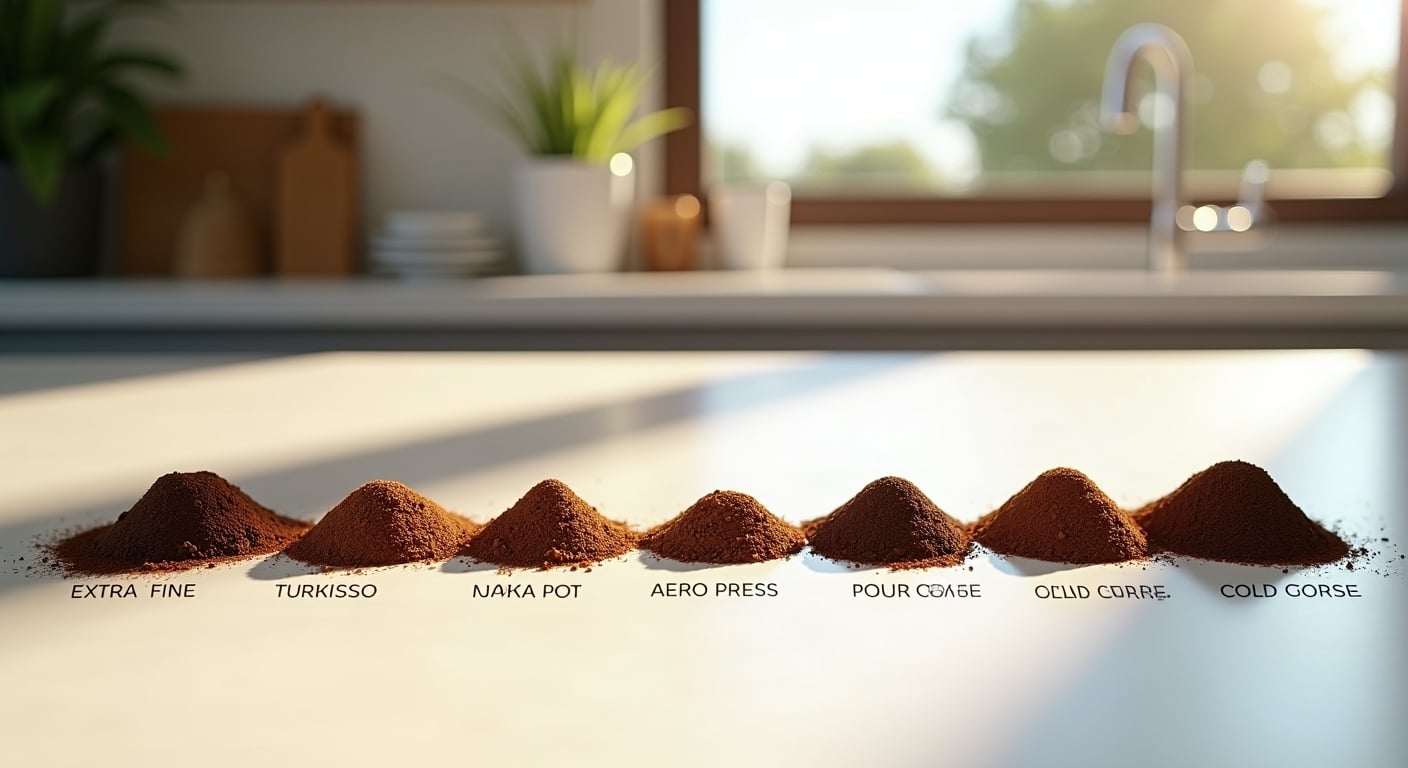
Getting the coffee grind size right is one of the simplest ways to improve your cup, whether you brew at home in Kuala Lumpur, run a cafe in Penang, or serve specialty coffee in Johor Bahru. Grind size affects how quickly water extracts flavour from coffee grounds, which means it directly shapes taste, aroma, body, sweetness, and balance. Even with good beans and quality water, the wrong grind can leave your coffee sour, weak, bitter, or muddy. This guide explains what coffee grind size means, why it matters, which grind works best for each brewing method, and how to adjust your grinder for better results.
Why coffee grind size matters
When coffee is ground, the bean is broken into smaller particles. Smaller particles have more surface area, so water extracts flavour from them faster. Larger particles extract more slowly. That is why a fine grind works for quick brewing methods like espresso, while a coarse grind suits slower immersion brews like French press.
If your grind is too fine for the method, water will extract too much, often leading to bitterness, dryness, harshness, or astringency. If your grind is too coarse, extraction may be too low, producing a thin, sour, or underdeveloped cup. Grind size is therefore a key part of brewing control, along with water temperature, brew ratio, dose, and time. If you want a broader understanding of how grind size fits into different brew styles, read our guide to coffee brewing methods.
Understanding the main grind size categories
Most coffee grinders do not use a universal standard, so one brand’s setting 15 may not match another grinder’s setting 15. Instead of relying only on numbers, it helps to understand the texture of each grind category.
Extra coarse
Extra coarse coffee looks chunky, similar to peppercorn pieces or rough sea salt. It is typically used for long immersion brewing, especially cold brew. Because extraction happens over many hours, the larger particles help prevent over-extraction.
Coarse
Coarse grounds resemble coarse sea salt. This grind is commonly used for French press and some cupping styles. It allows enough contact with water without creating too much sludge or bitterness.
Medium-coarse
Medium-coarse sits between coarse and medium. It is often ideal for Chemex, Clever Dripper, and some drip brewers. It gives good clarity while still allowing enough extraction for sweetness and balance.
Medium
Medium grind looks like regular sand. It is a flexible starting point for many automatic drip brewers and some pour over recipes. If you are still learning brew control, medium is often a safe place to begin.
Medium-fine
Medium-fine is slightly finer than table salt. It is common for cone-shaped pour overs like V60, AeroPress recipes, and some siphon brewing. It increases extraction speed while still allowing good flow through filter paper.
Fine
Fine grounds feel similar to caster sugar or fine sand. This is the usual range for espresso, where water passes through the coffee bed quickly under pressure. Fine grind is also used for moka pot in many cases.
Extra fine
Extra fine coffee is powdery, close to flour. This is mainly used for Turkish coffee. It is rarely suitable for modern filtered brewing because it restricts flow too much.
How grind size changes flavour
Grind size does more than change brew time. It changes what you taste in the cup.
When the grind is too coarse
Coffee may taste sour, watery, salty, or empty. Sweetness can feel weak, and the finish may disappear quickly. In cafes, this often shows up when espresso runs too fast or pour over drains too quickly.
When the grind is too fine
Coffee may taste bitter, dry, overly intense, or muddy. You might also notice a chalky mouthfeel or a dull finish. In filtered brews, water may stall and drain too slowly. In espresso, shots may choke the machine or drip unevenly.
When the grind is right
You should get a balanced cup with clear aroma, pleasant sweetness, controlled acidity, and enough body for the brewing method. In practice, the right coffee grind size is not about one perfect number. It is about adjusting until flavour, brew time, and texture line up.
Best coffee grind size for popular brewing methods
Espresso
Use a fine grind. Espresso needs a tight particle size range because brewing happens quickly under pressure, usually in about 25 to 35 seconds depending on recipe and machine. If the shot runs too quickly and tastes sharp or thin, grind finer. If it runs too slowly and tastes bitter or heavy, grind coarser.
For cafes and serious home brewers, grinder quality matters greatly here. Burr grinders produce more consistent particles than blade grinders, which helps with shot consistency. If you are comparing gear, it is worth learning more about coffee equipment, machines, grinders, and suppliers that suit your volume and menu needs.
Pour over
Use medium to medium-fine depending on the dripper, filter, dose, and recipe. V60 often works well with medium-fine, while Chemex may lean medium-coarse because of the thicker filter. If your pour over tastes sharp and drains too quickly, try grinding finer. If it tastes bitter and the brew stalls, go coarser.
French press
Use a coarse grind. Because the grounds remain immersed in water for several minutes, a coarse grind reduces over-extraction and makes plunging easier. If the cup tastes harsh or silty, your grind may be too fine.
AeroPress
AeroPress is flexible. Many recipes use medium-fine, but some use fine or even medium depending on brew time and technique. This brewer rewards experimentation, so start around medium-fine and adjust based on flavour and pressing resistance.
Moka pot
Use a fine grind, but usually slightly coarser than espresso. Too fine and you may get harsh flavours or excessive pressure. Too coarse and the brew can taste weak. Moka pot coffee should be concentrated and full-bodied, but not burnt or bitter.
Drip coffee machine
Use medium grind for most batch brewers. If your machine brews slowly or uses a flat-bottom basket, you may need to fine-tune toward medium-coarse or medium-fine. For better results, match your beans to your brew style using this coffee beans guide.
Cold brew
Use coarse to extra coarse grind. Since extraction takes many hours, larger particles reduce muddiness and bitterness. If your cold brew tastes overly strong but not sweet, your grind may be too fine or your brew ratio may need adjustment.
Turkish coffee
Use extra fine grind. This brewing method depends on powder-like coffee to create the traditional texture and strength. Most standard home grinders cannot achieve a true Turkish grind consistently.
How to adjust grind size based on taste
One of the best habits in coffee brewing is to make one change at a time. If you change dose, grind size, water temperature, and brew time all at once, it becomes hard to know what improved or worsened the result.
If coffee tastes sour or weak
Try grinding finer. This usually increases extraction. If you are already near the right range, a slightly longer brew time may also help.
If coffee tastes bitter or dry
Try grinding coarser. This slows extraction and can improve clarity and sweetness. You can also check whether your water is too hot or brew time is too long.
If coffee tastes muddy
Your grind may be too fine for the method, or your grinder may be producing too many fines. This is common with lower-quality grinders and blade grinders.
If brew time is inconsistent
Check grinder retention, burr condition, humidity, and dose accuracy. In Malaysia’s warm and humid climate, beans can behave differently from day to day, especially in busy cafe environments. Dialling in may need small daily changes.
Burr grinder vs blade grinder
If you care about consistency, a burr grinder is the better choice. Burr grinders crush beans between two burrs and generally create a more even particle size. This improves extraction and makes recipes easier to repeat.
Blade grinders chop beans unevenly, creating a mix of boulders and fines. That unevenness means some particles under-extract while others over-extract, often producing a less balanced cup. For occasional casual use, a blade grinder may be convenient, but for espresso, pour over, or cafe quality brewing, burr grinders are strongly preferred.
Why grinder consistency matters as much as grind size
Many people focus on whether the grind is coarse or fine, but consistency is equally important. A grinder that produces a narrow particle distribution will give you more predictable extraction. That matters for home brewers, but it matters even more in cafes where speed, repeatability, and cost control affect daily operations.
For Malaysian cafes serving espresso-based drinks all day, grinder performance can influence workflow, beverage quality, and waste. Reliable suppliers can also help businesses choose grinders and machines that fit their expected volume instead of overspending on the wrong setup.
Common coffee grind size mistakes
Using one grind setting for every brew
A single grind setting rarely works across espresso, French press, pour over, and cold brew. Each method extracts differently, so the grind should match the brew style.
Ignoring freshness
Fresh coffee can behave differently from older beans. Very fresh beans may produce more gas and affect flow, especially in espresso. As beans age, you may need to adjust finer to maintain similar extraction.
Overfilling the grinder hopper
In humid conditions, leaving large amounts of coffee in a hopper can affect freshness and consistency. It is often better to store beans properly and dose more carefully.
Not cleaning the grinder
Old coffee oils and retained grounds can affect flavour. Regular cleaning helps maintain consistency and reduces rancid notes in the cup.
A practical dial-in routine for better brewing
If you want a simple routine, start with the recommended grind range for your brewer. Brew once and taste. If the cup is sour or weak, go finer. If it is bitter or heavy, go coarser. Record the setting, dose, ratio, and brew time. After two or three rounds, you will usually move much closer to a balanced cup.
This is especially useful when trying local and regional coffees. Beans from different origins, roast levels, and processing methods respond differently. If you are exploring the local scene, our Malaysia coffee guide offers useful context on coffee culture, preferences, and trends in the country.
Does roast level affect coffee grind size?
Yes. Light roasts are denser and can sometimes require a slightly finer grind to reach good extraction. Darker roasts are more soluble and may extract easily, so going too fine can quickly create bitterness. This is not a strict rule for every coffee, but it is a helpful starting point when dialling in a new bag.
Tools and resources for improving grind consistency
If you want more reliable brewing results, a few practical tools can help:
- Burr grinder: the most important upgrade for better consistency.
- Digital scale: measures dose and beverage yield accurately.
- Timer: helps track brew time and repeat recipes.
- Kettle with controlled pouring: useful for pour over consistency.
- Cleaning brush or grinder tablets: helps maintain better flavour and performance.
- Notebook or brew app: useful for recording grind changes and taste results.
Final thoughts on choosing the right coffee grind size
The right coffee grind size can transform an average brew into a much better one. It controls extraction, affects flavour, and helps each brewing method perform as intended. Start with the general grind range for your brewer, then adjust based on taste rather than relying only on grinder numbers. With a good burr grinder, fresh beans, and a few small adjustments, you can get sweeter espresso, cleaner pour overs, richer French press, and more balanced coffee overall.
Whether you brew at home or run a coffee business in Malaysia, understanding grind size is one of the most valuable coffee skills to build. It saves beans, improves consistency, and helps you serve a better cup every time.
