

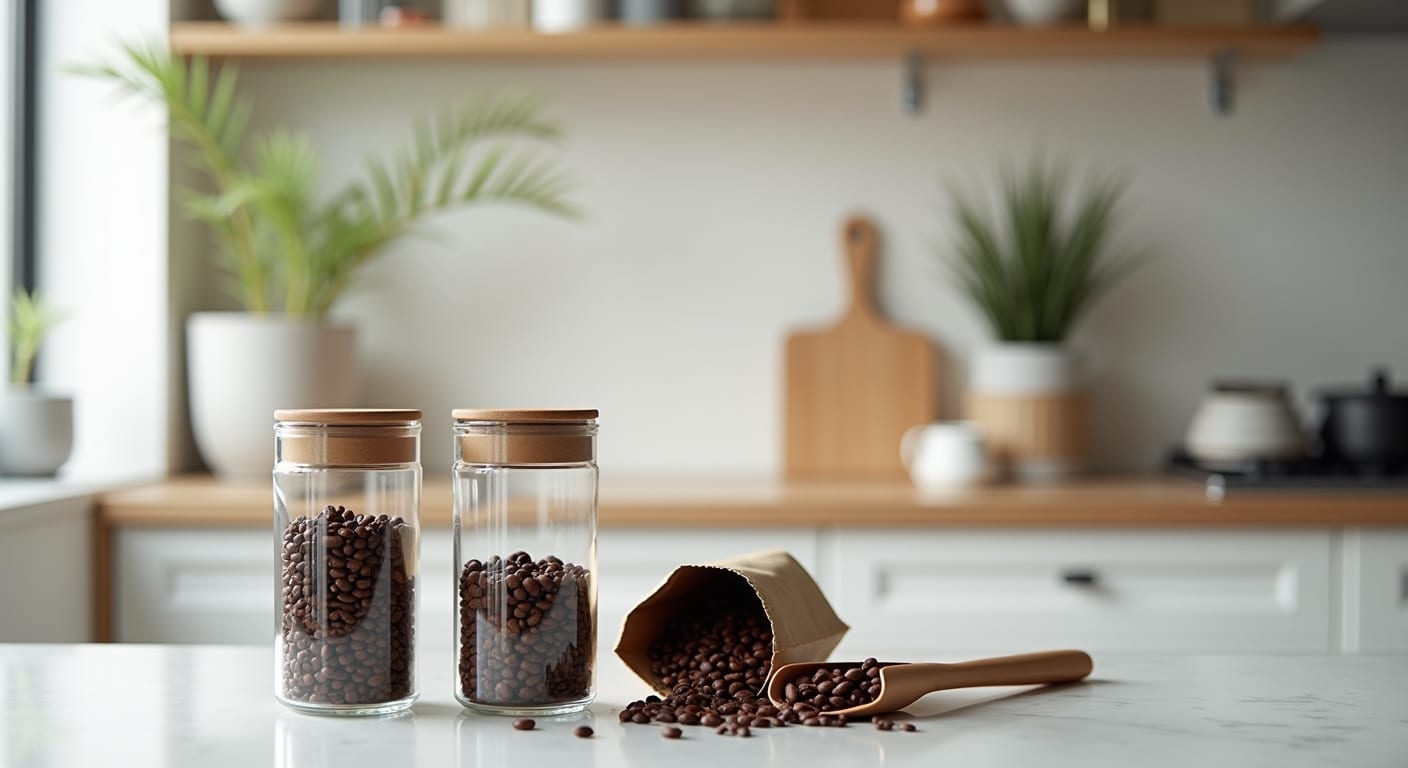
If you want better-tasting coffee every day, learning how to store coffee beans properly is one of the simplest improvements you can make. Even high-quality beans can lose their aroma, sweetness, and complexity quickly when exposed to air, heat, light, and moisture. In Malaysia, where weather is often warm and humid, poor storage habits can affect your coffee faster than expected. Whether you brew at home, run a small cafe, or simply buy beans in larger packs to save money, knowing how to store coffee beans helps you protect freshness and get more value from every bag.
Many people focus only on brew methods, grinders, or espresso machines, but storage matters just as much. If you are still exploring the basics of brewing and bean quality, it helps to read a broader guide to coffee brewing methods and a practical coffee beans guide so you can connect freshness with flavour in the cup.
Why proper coffee bean storage matters
Coffee beans are full of volatile aromatic compounds. These compounds create the notes many coffee drinkers love, such as chocolate, nuts, berries, florals, or caramel. Once roasted, beans begin changing immediately. Oxygen leads to oxidation, heat speeds up degradation, moisture affects stability, and light can gradually damage the beans.
When you store coffee beans badly, the most common result is flat, dull coffee. You may notice less sweetness, weaker aroma, and a stale finish. In espresso, poor storage can also make extraction inconsistent. One day the shot runs fast, the next day it chokes the machine, even with the same grinder settings. For pour-over and French press coffee, stale beans can taste thin and lifeless.
This is especially important in Malaysia because homes, cafes, and offices often deal with higher ambient temperatures and humidity than cooler countries. Storage advice from Europe or colder climates may not always translate perfectly here. A setup that seems fine in an air-conditioned room may struggle in a warm kitchen or cafe bar exposed to sunlight and steam.
The four biggest enemies of coffee beans
1. Air
Air is one of the main reasons coffee loses freshness. Once a bag is opened, oxygen starts interacting with the beans and their oils. This process gradually reduces the vibrant flavours you paid for.
2. Heat
Heat accelerates staling. Storing beans near ovens, stovetops, espresso machine vents, or sunny windows can shorten their ideal drinking period.
3. Light
Direct light, especially sunlight, can damage coffee over time. Clear jars may look attractive on a shelf, but they are usually not the best choice unless kept inside a dark cupboard.
4. Moisture
Moisture is a major issue in Malaysia. Coffee beans easily absorb odours and humidity from the surrounding environment. Excess moisture can affect flavour and may create clumping problems when grinding.
Best way to store coffee beans at home
The best approach is simple: keep beans in an airtight, opaque container and place that container in a cool, dry, dark area. For most people, this means a kitchen cupboard away from heat sources, not on the countertop beside the kettle or in direct sunlight.
If the original coffee bag has a one-way valve and a strong zip seal, it may already offer decent short-term protection. Many specialty roasters package beans this way. However, an additional airtight storage canister often works better, especially if you open the bag often.
Good home storage should be:
- Airtight to reduce oxygen exposure
- Opaque or stored away from light
- Kept in a stable environment away from heat
- Dry and clean inside
- Sized appropriately so there is not too much extra air inside
If you buy coffee weekly, divide larger amounts into smaller portions. Keep one portion for daily use and leave the rest sealed until needed. This reduces repeated air exposure to your full supply.
Should you keep coffee beans in the fridge?
For most situations, no. It is generally not recommended to store coffee beans in the fridge. Refrigerators have moisture, strong food odours, and frequent temperature changes. Coffee beans can absorb smells from other items, which is the last thing you want in your morning cup.
Each time beans are taken in and out of the fridge, condensation risk increases, especially in humid conditions. This can lead to uneven moisture exposure and reduced quality. If your goal is to store coffee beans for daily use, room-temperature storage in a proper container is usually the better option.
Is freezing coffee beans a good idea?
Freezing can work, but only if done properly. It is best used for long-term storage rather than everyday access. If you bought several bags during a sale or received a larger shipment from a roaster or supplier, freezing unopened or well-portioned packs can help preserve quality for longer.
Here are some practical freezer rules:
- Freeze beans in small, sealed portions
- Use truly airtight packaging to avoid moisture and odour exposure
- Do not repeatedly open and refreeze the same batch
- Take out only what you need for several days
- Let the sealed portion return to room temperature before opening
For home brewers, freezing is useful when you want to manage multiple bags without wasting them. For cafes, it may be a backup option for slower-moving single origins, but day-to-day espresso beans should usually be rotated fresh through sensible stock planning.
How long do coffee beans stay fresh?
There is no single answer because freshness depends on roast date, roast level, packaging, storage method, and personal taste standards. In general, whole beans stay fresher longer than ground coffee. Once ground, coffee loses aroma much faster because far more surface area is exposed to oxygen.
As a practical guide:
- Freshly roasted beans are often at their best after a short rest period, depending on brew method
- Whole beans are commonly enjoyed within a few weeks to a couple of months from roast date
- Ground coffee is best used much more quickly
For espresso, some coffees perform better after several days of resting post-roast. For filter coffee, many beans can taste great relatively early as well. The main point is that once you open a bag, proper storage becomes essential.
Common mistakes people make when they store coffee beans
Keeping beans in clear glass jars on the counter
This is probably the most common mistake because it looks neat and cafe-like. Unfortunately, regular exposure to light and kitchen temperature swings can make this a poor storage setup.
Buying too much coffee at once
Bulk buying can save money, but only if you can finish the beans while they still taste good. For many home users, smaller and more frequent purchases are better.
Grinding all the coffee in advance
Pre-ground coffee loses freshness far faster than whole beans. If possible, grind only what you need just before brewing.
Storing coffee near heat sources
Beans kept beside ovens, microwaves, espresso machines, or sunny windows age faster. A cooler cupboard is usually a better home.
Ignoring Malaysia’s humidity
Storage habits that seem acceptable in dry climates may not work well here. In local conditions, a strong airtight seal matters more than many people realise. If you are comparing bean types and roast styles for local drinking preferences, a broader coffee in Malaysia guide can also help you understand how climate, cafe culture, and consumer habits shape coffee buying and storage choices.
How much coffee should you buy at one time?
A good rule is to buy only what you can reasonably finish while the coffee still tastes lively. For a single person drinking one to two cups daily, a 200g to 250g bag may be more practical than a 1kg bag. For a household that drinks more, 500g may be fine if stored properly.
For cafes and offices, stock planning matters even more. Try to align purchase volume with realistic usage so beans do not sit too long after opening. This is also where consistent relationships with trusted coffee equipment and bean suppliers can help. A reliable supplier does more than deliver beans; they can advise on order sizing, grinder workflow, storage containers, and how your coffee machines and grinders interact with changing bean age through the week.
Storage tips for cafes and small coffee businesses
If you run a cafe, storing beans well is not just about taste. It also affects consistency, waste control, and customer experience. Even excellent baristas struggle when beans are poorly stored or opened too early.
Useful cafe practices include:
- Label every bag with roast date and open date
- Use smaller hopper fills instead of leaving large quantities under warm lights all day
- Keep backup beans sealed until required
- Rotate stock using first-in, first-out principles
- Store beans away from dishwashing areas, steam, and kitchen heat
- Review order frequency so stock matches real sales volume
Beans left sitting in grinders and hoppers for too long can lose quality more quickly, especially in warm service environments. Many cafes improve cup consistency simply by tightening storage procedures and reducing unnecessary exposure during service hours.
The best coffee storage containers to consider
You do not need overly complicated gear, but a few options are worth considering:
Airtight canisters
These are the most popular option for home use. Look for canisters designed to reduce air exposure and built from opaque materials or stored in a dark place.
Original roaster bags with valves
If well made, they can be effective for short-term use. Just make sure the zip seal still closes tightly.
Vacuum storage containers
These may help reduce oxygen exposure, though practical performance varies by design and usage habits.
Small portion packs
If you buy larger amounts, splitting beans into smaller sealed packs is often smarter than opening one big container repeatedly.
How to tell if your coffee beans are no longer at their best
Coffee beans do not suddenly become dangerous because they are less fresh, but they can become disappointing. Signs include:
- A noticeably weaker aroma when opening the container
- Flat or muted flavour in the cup
- Loss of sweetness and complexity
- Stale, papery, or woody notes
- Less crema and more inconsistent espresso extraction
If your brewing setup has not changed but your coffee suddenly tastes dull, storage may be the issue before you blame the bean itself.
Simple routine to store coffee beans properly
If you want an easy system, follow this routine:
- Buy coffee in a quantity you can finish reasonably fast
- Keep most of the beans sealed
- Transfer daily-use beans into an airtight container
- Store that container in a cool, dark cupboard
- Grind only what you need for each brew
- Avoid the fridge for normal daily storage
- Freeze only in sealed portions if storing long term
This approach works well for most home brewers in Malaysia and is simple enough to maintain consistently.
Useful tools and resources for better coffee storage
If you want to store coffee beans more effectively, these tools can make a real difference:
- An airtight opaque coffee canister
- A digital scale for portioning beans accurately
- Small zip bags or vacuum-seal bags for freezer storage
- Labels or date stickers for roast and opening dates
- A quality burr grinder so you can grind fresh instead of pre-grinding
- A cupboard thermometer or hygrometer if your storage area gets especially warm
Before buying more beans, it is also worth reviewing your brewing habits, grinder quality, and bean preferences so your storage setup fits your routine instead of becoming another forgotten kitchen accessory.
Final thoughts
To store coffee beans well, keep things simple and consistent. Protect the beans from air, heat, light, and moisture. Use an airtight container, avoid the fridge for daily use, and buy quantities that match how quickly you actually drink coffee. In Malaysia’s climate, these small habits can make a noticeable difference to freshness and flavour.
If you have been investing in better beans, a good grinder, or improved brew methods, proper storage helps you enjoy those upgrades fully. It is one of the easiest ways to get better coffee without changing your recipe at all.
