

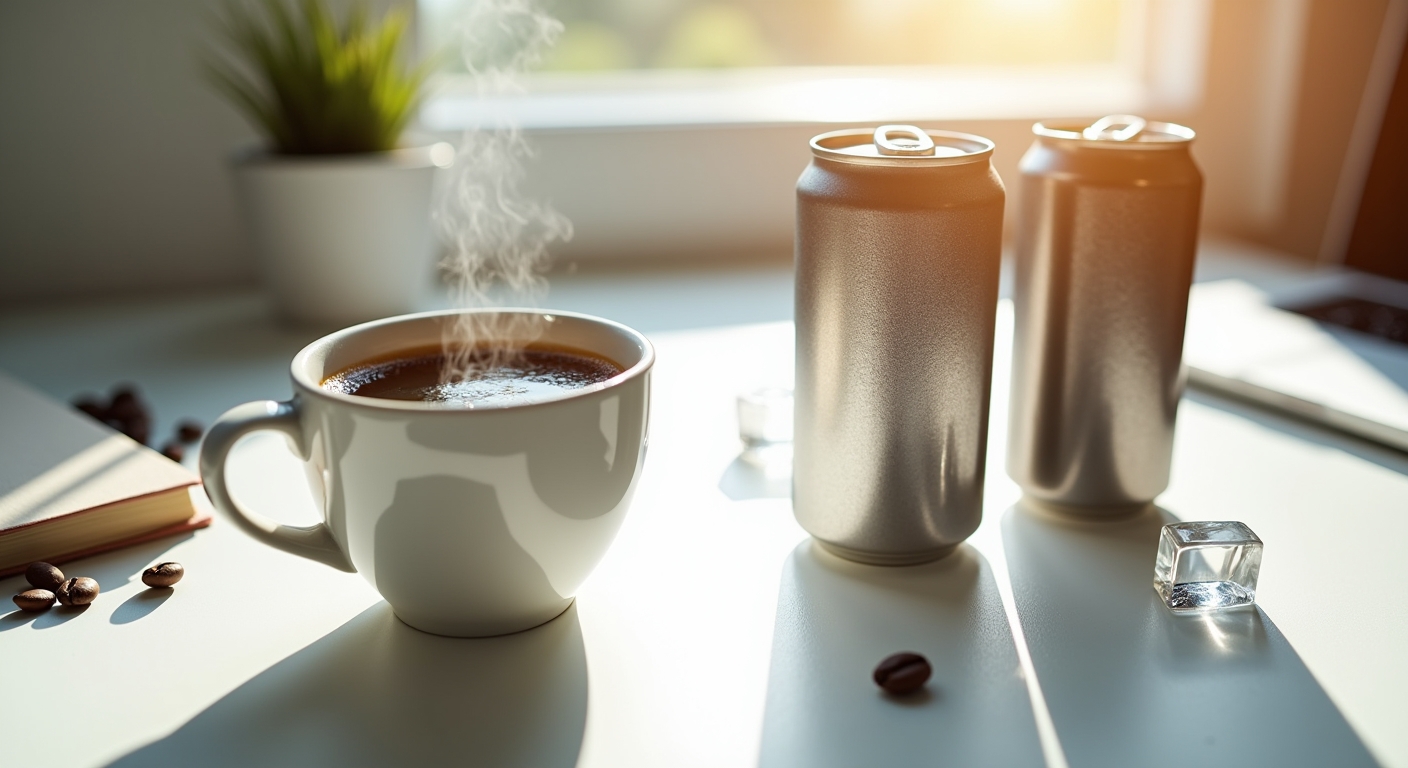
When people need a quick boost, the debate around coffee vs energy drinks comes up fast. In Malaysia, both are easy to find, from kopi at the mamak and specialty cafe espresso to chilled canned energy drinks at convenience stores and petrol stations. But while both can help you feel more awake, they are not the same. They differ in caffeine content, sugar levels, ingredients, cost, taste, and how they fit into your daily routine.
For students, office workers, drivers, gym-goers, and anyone balancing a busy schedule, choosing between coffee and energy drinks is often about more than just taste. It is about how long the energy lasts, whether there is a crash later, and how the drink affects sleep, hydration, and overall health. This guide breaks down the real differences so you can decide which option is better for your needs in Malaysia.
What Is the Main Difference Between Coffee and Energy Drinks?
The simplest way to understand coffee vs energy drinks is this: coffee is usually a more natural caffeine source, while energy drinks are formulated beverages designed to boost alertness using caffeine plus other added ingredients. Coffee is brewed from coffee beans and can be served black or with milk and sugar. Energy drinks are manufactured products that often include caffeine, sugar or sweeteners, taurine, B vitamins, flavourings, and other stimulants.
That difference matters because it affects how each drink is metabolised and how it fits into your lifestyle. A black coffee may contain only water and coffee, while an energy drink may contain a longer ingredient list. Neither is automatically good or bad, but they serve slightly different purposes.
Coffee Is Usually Simpler
Black coffee is straightforward. You know what you are getting: brewed coffee and caffeine, with possible variations depending on beans, roast, brew method, and serving size. If you add condensed milk, sugar, syrup, or whipping cream, the nutrition profile changes, but the base drink remains simple.
Energy Drinks Are Built for Stimulation
Energy drinks are made to feel functional and fast. They often combine caffeine with sugar and other compounds that support branding around performance, alertness, or endurance. Some are marketed as pre-workout style drinks, while others are positioned as all-day pick-me-ups.
Caffeine Content: Which Gives a Stronger Boost?
Caffeine is the biggest reason most people compare coffee and energy drinks. In practice, either one can contain more caffeine depending on the serving size and brand.
A standard cup of brewed coffee might contain around 80 to 120 mg of caffeine, while an espresso shot may contain roughly 60 to 75 mg. Larger cafe drinks can go much higher, especially if they use double shots. Energy drinks vary widely too. A small can may contain around 80 mg, while stronger options can exceed 150 mg or even more per serving.
So in the coffee vs energy drinks discussion, there is no universal winner on caffeine alone. You need to check the serving size, the label, and how quickly you consume it.
Coffee Can Be Easier to Adjust
One benefit of coffee is flexibility. You can choose a single espresso, a long black, a small hot americano, or a milk-based drink with one or two shots. That makes it easier to manage your caffeine intake. If you want less stimulation, you can simply choose a smaller serving or a weaker brew.
Energy Drinks Can Be Easy to Overconsume
Energy drinks are convenient, but that can also make it easy to drink too much too quickly. Because they are cold, sweet, and often carbonated, some people finish a can much faster than they would drink a hot coffee. If you drink one large can in a short time, the caffeine hit may feel more intense.
Sugar and Calories: A Major Difference
One of the biggest practical differences in coffee vs energy drinks is sugar. Plain black coffee has almost no calories and no sugar unless you add them yourself. Many energy drinks, on the other hand, contain significant sugar, though sugar-free versions are now common.
In Malaysia, this matters because sweet drinks are everywhere, from 3-in-1 sachets and syrup-heavy iced coffees to canned drinks and bubble tea. If you already consume sweet beverages during the day, a high-sugar energy drink can easily push your sugar intake higher than you realise.
Black Coffee Has a Nutrition Advantage
If you drink black coffee or coffee with minimal sugar, it is generally the lighter option in terms of calories. That makes it appealing for people trying to cut back on sugar or manage weight. If you want to go deeper into how coffee may support your routine, read our guide to coffee benefits for daily life and wellness.
Energy Drinks May Lead to a Sugar Crash
Sugary energy drinks can create a quick spike in energy, but some people also experience a noticeable dip later. This so-called crash may be linked not only to caffeine wearing off, but also to blood sugar fluctuation. Sugar-free versions can reduce calorie intake, but they still contain stimulants, so moderation is still important.
Ingredients Beyond Caffeine
Another key point in comparing coffee vs energy drinks is the ingredient list. Coffee contains naturally occurring compounds from coffee beans, including antioxidants. Energy drinks often contain caffeine plus taurine, guarana, ginseng, B vitamins, preservatives, colourings, and sweeteners.
These extra ingredients are one reason some consumers see energy drinks as more functional. Others prefer coffee because it feels less processed. In reality, your decision may come down to whether you want a simple beverage or a more engineered one.
Does Taurine or Guarana Make Energy Drinks Better?
Not necessarily better, just different. Some ingredients in energy drinks are included to support the product’s energy positioning, but caffeine is still usually the main active stimulant most people actually feel. Guarana itself also contains caffeine, which can increase total stimulant load.
Coffee Offers More Variety Without Additives
Coffee can also be highly varied without relying on a long list of added ingredients. Brew method, origin, roast, milk choice, and serving style all change the experience. If you want a wider picture of local coffee culture and common drink styles, explore our Malaysia coffee guide.
Which Is Better for Studying and Office Work?
For focus-based tasks like studying, writing reports, coding, or working through a long meeting day, coffee is often the preferred option. It gives a dependable caffeine lift and can be consumed slowly, helping people pace their intake.
Energy drinks can also help with concentration, especially when someone needs a convenient cold drink on the go. However, the sweetness and intensity of some products may not suit everyone for everyday office use.
Why Coffee Often Wins for Focus
Coffee fits naturally into a work routine. A morning cup, a mid-morning refill, or an early afternoon pick-me-up are easy habits. The ritual of making or buying coffee also adds a mental break, which many people find helpful during busy days.
When Energy Drinks Make More Sense
Energy drinks may be more useful when convenience is the top priority. If you are on the road, rushing between appointments, or need something cold in hot weather, a can from a convenience store is quick and accessible.
Which Is Better Before Exercise?
This depends on the person and the type of workout. Some people drink black coffee before gym sessions because caffeine can support alertness and perceived performance. Others prefer energy drinks because they are portable and may feel more specifically designed for physical activity.
Still, not all exercise settings call for the same drink. A sweet, carbonated energy drink may not feel comfortable before running or intense training. Black coffee, meanwhile, may feel gentler for some people, though others find it too acidic on an empty stomach.
Choose Based on Tolerance
If you are sensitive to caffeine, both coffee and energy drinks can feel too strong before exercise. Start with a lower dose and avoid trying a new high-caffeine product right before a big workout or sports session.
Health Considerations: Which Is the Better Daily Habit?
For many adults, moderate coffee consumption is easier to fit into a sustainable routine than regular energy drink use. This is especially true if the coffee is low in sugar. In the coffee vs energy drinks comparison, coffee is often viewed as the better everyday choice because it can be consumed in a simpler form.
That said, too much coffee can still cause jitters, anxiety, digestive discomfort, faster heartbeat, and sleep disruption. Energy drinks carry similar caffeine-related risks, with the added concern that some products combine high caffeine with high sugar.
Sleep Matters More Than the Drink
Whichever you choose, timing matters. A coffee at 6 pm or an energy drink after dinner can affect sleep, especially if you are sensitive to caffeine. For many Malaysians juggling long work hours, traffic, side hustles, and screen time, poor sleep is already common. No stimulant truly replaces rest.
People Who Should Be More Careful
Teenagers, pregnant individuals, people with heart issues, those with anxiety sensitivity, and anyone taking certain medications should be more cautious with both coffee and energy drinks. If you have a health concern, it is worth checking with a qualified healthcare professional.
Cost and Convenience in Malaysia
Cost is another practical factor. A simple kopi from a local shop may be inexpensive, while a specialty cafe latte can cost much more. Energy drinks also vary, but branded cans are often priced as convenience items rather than budget drinks.
In Malaysia, coffee wins on range. You can get kopi at hawker spots, chain coffee at malls, canned RTD coffee at convenience stores, and specialty brews from independent cafes. Energy drinks are widely available too, but the category is less flexible in terms of customisation.
Coffee Offers More Price Options
From affordable local brews to premium single-origin cups, coffee gives consumers more control over budget and taste. It can also be made at home very cheaply compared with buying canned drinks daily.
Energy Drinks Win on Grab-and-Go Ease
No preparation, no waiting, no brewing. For some people, that is the biggest advantage. Just remember that convenience can make frequent consumption feel normal even when caffeine and sugar intake are adding up.
Taste and Drinking Experience
Taste is subjective, but it still shapes the coffee vs energy drinks decision. Coffee offers bitterness, aroma, roast depth, acidity, and texture. Energy drinks are often sweeter and more uniform, with fruity or synthetic flavour profiles.
For many people, coffee is not just functional. It is cultural, social, and comforting. In Malaysia, coffee is tied to everything from kopitiam breakfasts to cafe catch-ups and late-night work sessions. Energy drinks, by contrast, are usually consumed for utility first and enjoyment second.
So, Which One Should You Choose?
If you want a more natural-feeling, customisable, and potentially lower-sugar option, coffee is usually the better pick. If you need maximum convenience, prefer a cold sweet drink, or want a ready-to-go boost during travel or long shifts, energy drinks may suit you better.
For most adults, the smarter daily habit is often simple coffee in moderate amounts, especially when sugar is kept low. Energy drinks may be better treated as occasional convenience products rather than a main source of daily energy.
If you are building healthier caffeine habits, it helps to understand how coffee fits into a bigger lifestyle. You can also read our complete coffee lifestyle guide for more practical tips on enjoying coffee with balance.
Final Thoughts on Coffee vs Energy Drinks
There is no one-size-fits-all answer to coffee vs energy drinks. The better choice depends on your caffeine tolerance, sugar intake, daily routine, budget, and goals. But if all else is equal, coffee often comes out ahead for everyday use because it is simpler, more flexible, and easier to keep low in calories.
Energy drinks still have a place, especially for people who value portability and a chilled, ready-made boost. The key is to treat both options with awareness. Check caffeine content, watch sugar levels, avoid overreliance, and do not use either as a substitute for sleep, hydration, and proper meals.
If you enjoy practical coffee insights, subscribe to our newsletter for more guides on coffee culture, brewing, cafe trends, and everyday coffee choices in Malaysia.
