

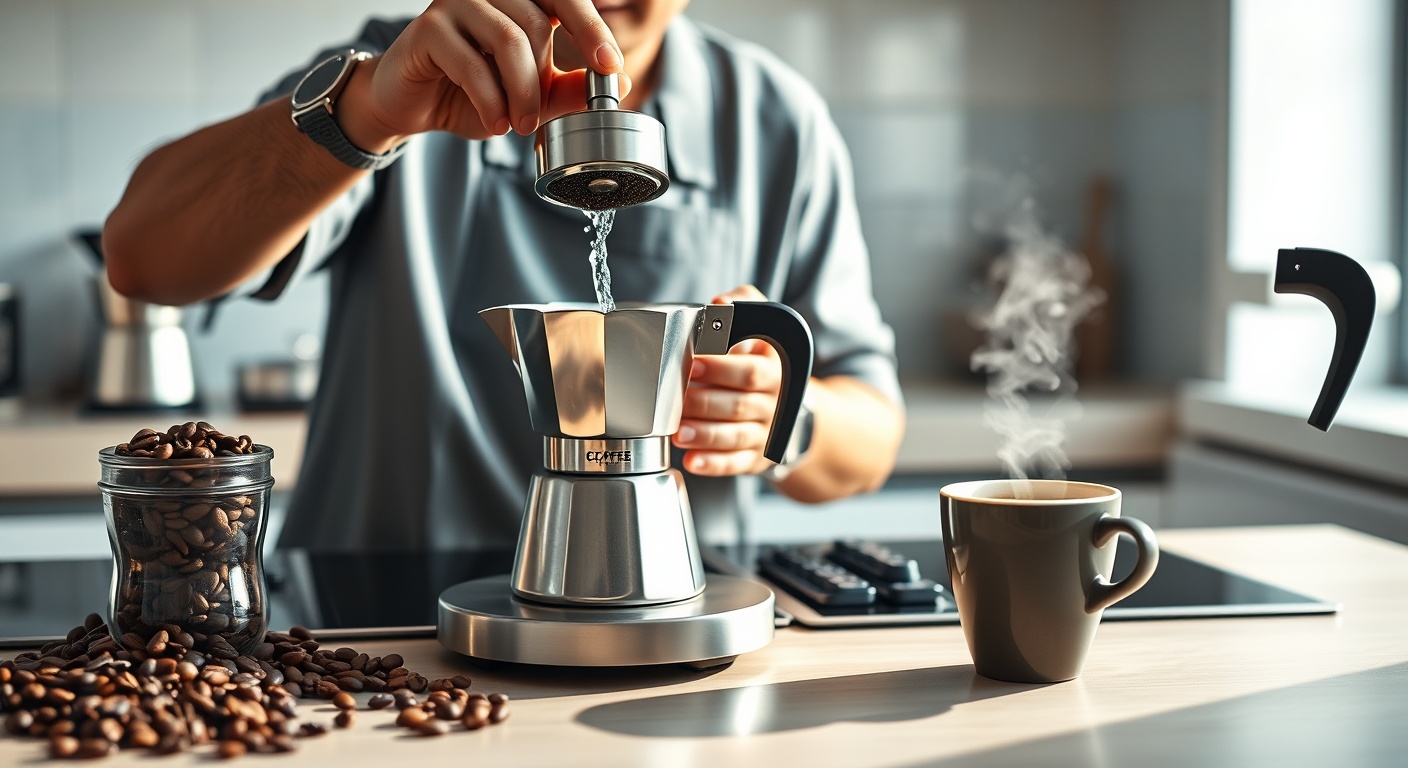
Moka pot coffee remains one of the most popular ways to brew strong, flavourful coffee at home without buying an espresso machine. In many Malaysian homes, it is valued for its simplicity, affordable price, and ability to produce a rich cup that sits somewhere between drip coffee and espresso-style coffee. If you enjoy bold flavour, a heavy body, and a hands-on brewing ritual, the moka pot is worth learning properly.
This guide explains how moka pot coffee works, what equipment you need, the best grind and ratio to use, common mistakes to avoid, and how to adjust your brew to suit local preferences. Whether you are just starting out or trying to improve your results, this practical guide will help you brew cleaner, sweeter, and more balanced coffee every time. If you want a broader look at different home brewing styles, our guide to coffee brewing methods is a useful next read.
What Is Moka Pot Coffee?
Moka pot coffee is brewed using a stovetop pot with three chambers. Water goes into the bottom chamber, ground coffee sits in the filter basket in the middle, and brewed coffee collects in the top chamber. As the water heats up, steam pressure pushes hot water through the coffee grounds and into the upper section.
The result is a concentrated, full-bodied brew with strong aroma and a heavier mouthfeel than filter coffee. It is not true espresso because the pressure is much lower than an espresso machine, but it can still produce an intense and satisfying cup. Many people in Malaysia also use moka pot coffee as a base for iced milk coffee, kopi-style drinks, or homemade lattes.
Why People Like Brewing with a Moka Pot
There are several reasons the moka pot has stayed relevant for so long. First, it is accessible. You do not need a large budget, and the brewing process is straightforward once you understand the basics. Second, the flavour is distinctive. A well-made moka pot brew delivers sweetness, body, and a bold coffee character that works well black or with milk.
It also suits smaller kitchens and home setups. Whether you live in a condo in Kuala Lumpur, a student apartment in Subang, or a family home in Penang, a moka pot takes up very little space. It is also portable, making it practical for travel, office pantries, or simple weekend brewing.
How a Moka Pot Works
The moka pot works through pressure created by heat. When the water in the bottom chamber heats up, pressure builds and pushes the water upward through the coffee bed. The brewed coffee then rises through the central spout into the upper chamber.
Because the brewing temperature and pressure can rise quickly, small changes in technique have a big impact on flavour. Too much heat can make moka pot coffee harsh and bitter. Too fine a grind can slow extraction and create excessive pressure. Too coarse a grind can make the brew weak and watery. The key is balance.
The Three Main Parts
The bottom chamber holds water, the basket holds ground coffee, and the top chamber collects brewed coffee. There is also a rubber gasket and metal filter that help seal the pot properly. Keeping these parts clean and in good condition is essential for brewing consistency and safety.
What You Need to Make Moka Pot Coffee
You do not need much equipment, but using the right basics makes a noticeable difference:
- A moka pot of the right size
- Fresh coffee beans
- A grinder, ideally a burr grinder
- Filtered water
- A stove or heat source
- A towel or mitt for handling the hot pot
Good beans matter just as much as technique. If you are unsure what to buy, start with this practical coffee beans guide to understand roast level, origin, and flavour profiles before brewing.
Choosing the Right Coffee Beans
Moka pot coffee usually tastes best with beans that offer sweetness, chocolate notes, nuts, caramel, or mellow fruit rather than very sharp acidity. Medium to medium-dark roasts are often a safe choice because they create body and balance while reducing sourness.
That said, there is no single correct roast. Some Malaysian drinkers enjoy a darker, more intense profile, especially when pairing coffee with milk or drinking it iced. Others prefer a lighter roast for more clarity and complexity. Try a few origins and roast styles to find what works for your taste.
Beans That Often Work Well in a Moka Pot
- Brazil for chocolate, nuts, and low acidity
- Colombian coffees for balanced sweetness and fruit
- Sumatran coffees for body and earthy depth
- Blends designed for espresso-style brewing
If you are exploring coffee preferences in a local context, our coffee in Malaysia guide gives helpful background on how coffee culture and taste preferences vary across the country.
The Best Grind Size for Moka Pot Coffee
Grind size is one of the most important factors in moka pot coffee. The ideal grind is usually finer than drip coffee but coarser than espresso. If the grounds are too fine, the water struggles to pass through and the coffee can taste bitter, burnt, or muddy. If the grind is too coarse, the coffee may brew too quickly and taste weak.
A medium-fine grind is the usual starting point. The texture should feel slightly finer than table salt but not powdery. If you buy pre-ground coffee, look for one intended for moka pot or stovetop brewing if possible.
How to Adjust by Taste
- If the coffee tastes bitter or overly strong, grind slightly coarser
- If the coffee tastes sour or thin, grind slightly finer
- If the coffee stalls or sputters aggressively, your grind may be too fine or the heat too high
Water, Ratio, and Fill Level
Most moka pots are designed to be used at full capacity. Fill the bottom chamber with water up to the safety valve, but do not cover it. Fill the basket fully with ground coffee, then level it gently without tamping. Tamping can create too much resistance and lead to uneven extraction.
Because moka pots are built by size rather than flexible dose ranges, the brew ratio is mostly determined by the pot itself. Instead of chasing exact café-style numbers, focus on consistency. Use the same beans, similar grind size, and proper fill levels each time, then adjust one variable at a time.
Step-by-Step: How to Brew Better Moka Pot Coffee
1. Heat Your Water First
Many home brewers start with hot or pre-boiled water in the bottom chamber. This reduces the amount of time the coffee sits over heat before brewing begins, helping preserve sweetness and reduce bitterness. Pour the hot water carefully up to the safety valve.
2. Add Ground Coffee to the Basket
Fill the basket fully and level the grounds with a finger or the back of a spoon. Do not press or tamp the coffee down. The water needs a reasonable path through the bed.
3. Assemble the Moka Pot Securely
Attach the top chamber carefully and ensure the seal is firm. If you started with hot water, the base will already be hot, so use a towel or cloth for safety.
4. Brew on Low to Medium Heat
Place the moka pot on low to medium heat. Avoid high heat, which often causes the brew to race, sputter, and turn bitter. A slower, steadier flow usually gives better moka pot coffee.
5. Watch the Flow
When brewing starts, coffee will come into the upper chamber in a steady stream. You are aiming for a controlled flow, not explosive bubbling. Once the top chamber is mostly filled and the sound changes to a gurgle, remove it from the heat.
6. Cool the Base to Stop Extraction
Some brewers wrap the bottom chamber with a cool towel or briefly run the base under cool water. This helps stop extraction and prevents the final part of the brew from overheating.
Common Moka Pot Coffee Mistakes
Using Heat That Is Too High
This is one of the biggest problems. High heat can burn the coffee, create metallic notes, and produce excessive bitterness. Lower heat gives you more control and often improves sweetness.
Grinding Too Fine
If your grind is too espresso-like, the moka pot may struggle to brew properly. You might notice sputtering, harsh flavour, or muddy texture.
Tamping the Coffee
A moka pot is not an espresso machine. Compressing the grounds too much can interfere with proper flow and lead to over-extraction.
Letting the Pot Boil for Too Long
Do not leave the moka pot on the stove until it spits violently. Once the brew is nearly done, remove the pot to avoid extracting bitter compounds.
Ignoring Cleanliness
Old coffee oils stuck in the pot can make fresh brews taste stale and rancid. Rinse all parts thoroughly after each use and let them dry fully before reassembling.
How to Make Moka Pot Coffee Taste Better
If your moka pot coffee tastes too bitter, start by lowering the heat and using slightly coarser grounds. If it tastes too sour or weak, try a slightly finer grind and make sure the basket is filled properly. Fresh beans also make a major difference. Coffee that has been open too long often loses sweetness and aroma.
Water quality matters too, especially in areas where tap water has noticeable mineral character or chlorine. Filtered water is generally the safer option for cleaner flavour.
You can also dilute moka pot coffee slightly with hot water for a smoother long black style drink. For iced coffee, let the brew cool a little before pouring over ice to keep a better flavour balance.
Moka Pot Coffee with Milk
One reason many people enjoy moka pot coffee is that it pairs very well with milk. While it does not produce true espresso, its concentration makes it suitable for homemade cappuccino-style drinks, flat white-inspired beverages, or simple iced milk coffee.
For a quick home version, brew your moka pot coffee and combine it with hot milk or cold milk depending on preference. Add little or no sugar at first so you can taste the coffee clearly, then adjust. A medium-dark roast often works especially well here because it retains body and cocoa notes even after milk is added.
Moka Pot Coffee in Malaysia: Practical Tips
Malaysia’s warm climate and humidity can affect coffee storage. Keep beans in an airtight container away from sunlight and kitchen heat. Avoid storing them in the fridge, where moisture and odours can become a problem. In humid conditions, buying smaller amounts more frequently is often better than stocking up for too long.
If you use gas stoves at home, pay attention to flame size so it does not extend too far around the moka pot base. If you use induction, make sure your moka pot is induction-compatible or use an adapter plate where needed.
Taste preferences also vary. Some people want a robust, kopi-like strength, while others prefer a cleaner specialty-coffee style cup. The moka pot can move in both directions depending on bean choice, grind, and dilution.
Cleaning and Maintenance
A clean pot makes better coffee. After each brew, let the moka pot cool, disassemble it, and rinse all parts with warm water. Avoid strong detergents unless necessary, especially on aluminium pots, as they can affect the surface and leave smells behind. Dry every part fully before putting it back together loosely for storage.
Check the gasket and filter regularly. If the rubber gasket is worn or cracked, replace it. A weak seal can affect pressure and brewing performance. If your moka pot has built-up residue, use a gentler deep-cleaning method recommended by the manufacturer.
Should You Buy a Moka Pot?
If you like strong coffee, enjoy hands-on brewing, and want an affordable alternative to an espresso machine, the moka pot is a very good option. It is especially appealing for home brewers who want a compact brewer with character and flexibility. It may take a few tries to dial in the right method, but once you understand the basics, it becomes reliable and rewarding.
Moka pot coffee is not about perfect café replication. It has its own identity: rich, intense, aromatic, and comforting. For many coffee drinkers, that is exactly the appeal.
Final Thoughts
Great moka pot coffee comes down to a few core ideas: use fresh beans, choose a medium-fine grind, avoid tamping, brew with controlled heat, and stop the extraction before the pot overheats. Those small details can turn a harsh stovetop brew into a balanced and enjoyable cup.
If you are building your home coffee knowledge, the moka pot is one of the best brewers to learn because it teaches you how grind, heat, and timing shape flavour. Over time, you will find the bean style and brew approach that fits your taste best.
If you enjoy practical coffee guides like this, subscribe to our newsletter for more brewing tips, bean advice, and coffee insights tailored to Malaysia.
