

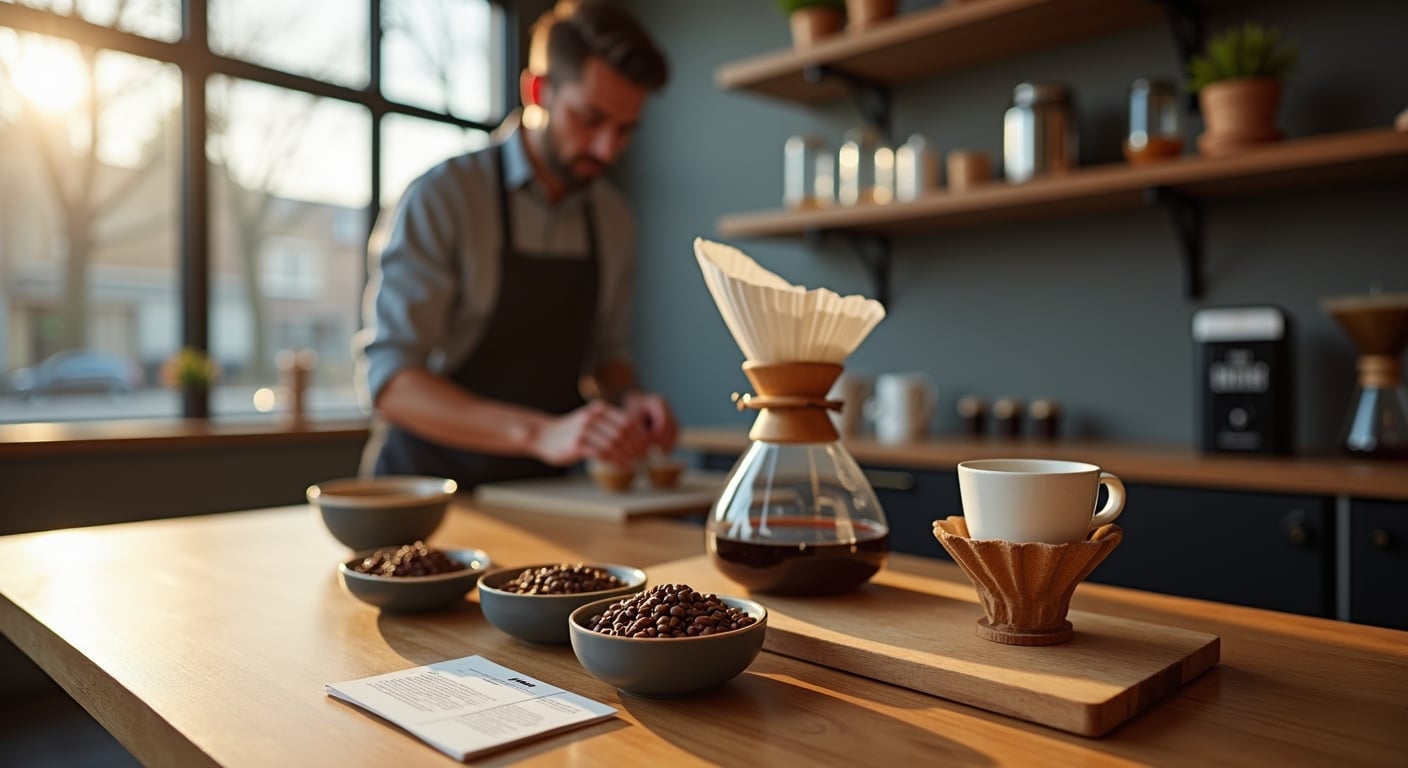
Specialty coffee is one of the most talked-about terms in modern cafe culture, but many people still wonder what it actually means. Is it just expensive coffee, a trendy label, or something more specific? In reality, specialty coffee refers to coffee that meets high standards across the full journey from farm to cup. That includes bean quality, harvesting, processing, roasting, brewing, and service. In Malaysia, where coffee appreciation has grown quickly in cities such as Kuala Lumpur, Penang, Johor Bahru, and Kota Kinabalu, specialty coffee has become a big part of how consumers explore flavour, origin, and quality.
Whether you are a cafe-goer, home brewer, or someone just starting to move beyond everyday commercial blends, understanding specialty coffee helps you make better choices. It also makes coffee menus less confusing. From Ethiopian pour-overs with floral notes to chocolatey Colombian espresso and locally roasted single origins, the world of specialty coffee is broad, exciting, and more accessible than many people think.
This guide explains what specialty coffee means, how it is graded, why it tastes different, and what Malaysians should know when buying beans or ordering at a cafe. If you are also exploring preparation styles, our guide to coffee brewing methods is a useful next read.
What Is Specialty Coffee?
At its core, specialty coffee is coffee that scores highly in quality evaluation and has minimal defects. The most widely referenced benchmark comes from the Specialty Coffee Association, where coffee scoring 80 points or above on a 100-point scale is considered specialty. That score is based on professional tasting, also known as cupping, where experts evaluate aroma, flavour, acidity, body, balance, sweetness, aftertaste, and cleanliness in the cup.
But the meaning of specialty coffee goes beyond a number. It also reflects a quality mindset. Farmers pay close attention to varietals and harvesting. Processors handle cherries carefully. Roasters develop flavour with precision instead of roasting everything too dark. Baristas brew with consistency and accuracy. In other words, specialty coffee is not just about premium beans. It is about excellence at every stage.
This is why specialty coffee often tastes more distinctive than mass-market coffee. Instead of generic bitterness, you may notice fruit, caramel, nuts, cocoa, citrus, jasmine, or tea-like notes depending on the bean and brew.
How Specialty Coffee Is Different from Commercial Coffee
The easiest way to understand specialty coffee is to compare it with commercial coffee. Commercial coffee is usually produced at scale with consistency and low cost as the priority. Beans may come from multiple sources, include more defects, and be roasted darker to create a uniform flavour. That flavour often leans bitter, smoky, or flat, especially when freshness is not a priority.
Specialty coffee takes the opposite approach. It highlights quality, traceability, freshness, and flavour clarity. Instead of blending away differences, it celebrates them. One bag may showcase berries and chocolate, while another may taste like stone fruit and honey. For many drinkers in Malaysia, this is the moment coffee becomes more than just caffeine.
Key differences at a glance
Specialty coffee usually offers clearer flavour notes, fresher roasting dates, more origin information, better processing transparency, and more careful brewing. Commercial coffee tends to focus on convenience, lower cost, and broad consistency. That does not mean every cheap coffee is bad or every specialty coffee is automatically amazing, but specialty coffee is built around a higher quality standard.
The 80-Point Standard and Coffee Grading
When people ask what qualifies coffee as specialty, the 80-point threshold is often the starting point. Green coffee is assessed by trained tasters and graders using standard protocols. Coffees that score 80 to 84.99 are generally considered very good specialty coffees. Those scoring 85 and above are often judged exceptional, with more complexity, sweetness, and distinct character.
Defects also matter. Beans with too many physical defects, poor sorting, or inconsistent processing will not meet specialty standards. This is one reason pricing can be higher. More labour and attention go into selecting ripe cherries, processing carefully, and sorting beans thoroughly before export and roasting.
For consumers, the score itself is useful, but not everything. A 91-point bean is impressive, yet the best coffee for you still depends on your preferences. Some people love bright, juicy coffees. Others prefer low-acid, chocolatey profiles. Specialty coffee is not about chasing prestige alone. It is about finding quality coffee that matches your taste.
Why Origin Matters in Specialty Coffee
Origin plays a major role in specialty coffee because coffee reflects where and how it is grown. Climate, altitude, soil, variety, and processing all influence flavour. This is often compared to terroir in wine.
For example, Ethiopian coffees are known for floral, citrus, and berry-like profiles. Colombian coffees often show balanced sweetness, caramel, red fruit, and chocolate. Kenyan coffees may be bright and juicy, while Brazilian coffees commonly deliver nutty, chocolatey comfort with lower acidity. Indonesian coffees can be earthy, spicy, herbal, or syrupy depending on region and processing.
In Malaysian cafes, it is common to see coffees labelled by country, region, farm, or even lot. This level of transparency is one of the hallmarks of specialty coffee. If you want to understand how origin connects to flavour, our coffee beans guide gives a broader look at bean types, origins, and characteristics.
Single origin vs blend
Single origin coffee comes from one country, region, farm, or cooperative, and it is often chosen to highlight a specific flavour profile. Blends combine beans from different origins to create consistency or balance. In specialty coffee, both can be excellent. A single origin pour-over may offer complexity and uniqueness, while a blend may produce a rounder, more reliable espresso for milk drinks.
Processing Methods and Their Impact on Flavour
After coffee cherries are harvested, the beans inside must be processed. This step has a major impact on flavour. In specialty coffee, you will often see the processing method listed on the label or menu.
Washed process
Washed coffees have the fruit removed before drying. This usually creates a cleaner cup with more clarity and brighter acidity. Many people enjoy washed coffees for filter brewing because individual flavour notes can stand out clearly.
Natural process
Natural coffees are dried with the fruit still around the bean. This often produces fruitier, sweeter, and more intense flavours. Depending on the coffee, you might taste berries, tropical fruit, or jam-like sweetness.
Honey and experimental processes
Honey process leaves some mucilage on the bean during drying, often resulting in a balance between clarity and sweetness. Experimental methods such as anaerobic fermentation or carbonic maceration can create highly unusual flavour profiles. These can be exciting, though not always to everyone’s taste. In Malaysia’s specialty cafes, these coffees are especially popular among adventurous drinkers who enjoy trying something new each week.
The Role of Roasting in Specialty Coffee
Roasting is where raw green coffee becomes aromatic and brewable. In specialty coffee, roasting aims to reveal the bean’s natural character rather than cover it up. This is why specialty roasters often favour light to medium roasts, especially for filter coffee.
Light roasts tend to preserve acidity, floral notes, and origin-specific character. Medium roasts may bring out more caramel, chocolate, and balance. Dark roasts are less common in specialty settings for single origins because they can mute delicate characteristics, though some roasters still use darker profiles for certain espresso blends.
Freshness also matters. Specialty coffee is usually sold with a roast date rather than only an expiry date. This helps customers brew the coffee closer to its ideal tasting window. For home brewers in Malaysia, where heat and humidity can affect storage, keeping beans in an airtight container away from sunlight is especially important.
How Specialty Coffee Is Brewed
Brewing is the final step that shapes what ends up in your cup. Even excellent beans can taste disappointing if brewed badly. That is why specialty coffee culture pays so much attention to grind size, water temperature, brew ratio, extraction time, and equipment cleanliness.
Popular specialty coffee brew methods include pour-over, French press, AeroPress, espresso, siphon, cold brew, and batch brew. Different methods emphasise different qualities. Pour-over often highlights clarity and acidity, while French press gives more body. Espresso creates intensity and concentration, and milk can soften or reshape the flavour profile.
At home, you do not need expensive tools to enjoy specialty coffee. A grinder, scale, kettle, and simple brew device can already make a huge difference. If you are still deciding which setup suits your lifestyle, reading about different brewing methods for coffee can help you compare flavour, cost, and ease of use.
Why Specialty Coffee Often Costs More
One of the biggest misconceptions is that specialty coffee is overpriced simply because it is fashionable. While some cafes do charge premium rates due to branding or location, the higher cost of specialty coffee often reflects real work across the supply chain.
Farmers may selectively pick only ripe cherries instead of strip-harvesting everything at once. Processing may be more controlled and labour-intensive. Green coffee buyers and roasters often pay more for traceable lots with better quality. Roasters may produce smaller batches and reject beans that do not meet standard. Cafes also invest in trained baristas, calibrated equipment, water filtration, and quality control.
For consumers in Malaysia, the price gap between commercial coffee and specialty coffee can look large, especially in urban cafes. But the value is not only about prestige. You are paying for improved flavour, freshness, consistency, and often better transparency.
Common Terms You Will See in Specialty Coffee
If you have ever looked at a bag of specialty coffee and felt overwhelmed, you are not alone. Here are some common terms and what they usually mean.
Tasting notes
These describe the flavour impressions in the coffee, such as chocolate, orange, jasmine, or brown sugar. They do not mean flavourings were added. They are sensory references to what the coffee naturally resembles.
Acidity
In coffee, acidity does not mean sourness in a bad way. Good acidity can taste lively, crisp, or juicy, like citrus or apple.
Body
Body refers to the weight or texture of the coffee in your mouth. Some coffees feel light and tea-like, while others are heavy and syrupy.
Altitude
Higher-altitude coffees often mature more slowly, which can contribute to more complex flavour development.
Varietal
This refers to the coffee plant variety, such as Bourbon, Typica, SL28, Gesha, or Caturra. Different varietals can produce different flavour profiles and levels of sweetness or acidity.
Specialty Coffee in Malaysia
Malaysia’s coffee scene has changed dramatically over the past decade. While traditional kopitiam culture remains deeply important, specialty coffee has developed its own place alongside it. Consumers are now more aware of origins, roast styles, and brew methods. Local roasters are sourcing beans from across the world, while more cafes are offering filter coffee, espresso-based drinks, seasonal guest beans, and tasting flights.
This growth has made coffee education more accessible. Today, Malaysians can attend cuppings, buy fresh beans online, compare grinders, and learn brewing techniques from local roasters and cafes. At the same time, specialty coffee has become part of lifestyle culture, especially in neighbourhood cafe hubs across Klang Valley, Penang, and Melaka.
If you want a broader view of coffee culture, cafe trends, and what makes the local scene unique, our Malaysia coffee guide is a helpful resource.
How to Start Enjoying Specialty Coffee Without Feeling Intimidated
You do not need to memorise scoring systems or buy a full home barista setup to enjoy specialty coffee. Start simple. Visit a cafe and ask the barista for a recommendation based on flavours you already enjoy. If you like chocolatey and smooth coffees, ask for something nutty or caramel-forward. If you enjoy tea or fruit, try a washed African filter coffee.
At home, buy smaller bags first so you can experiment. Try the same bean with two brew methods and notice the difference. Taste coffee before adding sugar. Read labels for origin, process, roast date, and flavour notes. Over time, your palate becomes more familiar with what you like.
Most importantly, remember that specialty coffee is not about showing off knowledge. It should make coffee more enjoyable, not more intimidating.
Is Specialty Coffee Better for Everyone?
Specialty coffee is often better in terms of bean quality, freshness, and flavour expression, but that does not mean it is the only valid way to enjoy coffee. Some people genuinely prefer traditional dark roasts, sweetened milk coffee, or familiar kopitiam flavours. Taste is personal.
What specialty coffee offers is choice and clarity. It helps you understand why one coffee tastes different from another and gives you more control over what you drink. For some, that becomes a hobby. For others, it simply means a better daily cup.
Final Thoughts on Specialty Coffee
Specialty coffee is best understood as high-quality coffee treated with care from farm to cup. It is graded more strictly, sourced more transparently, roasted more intentionally, and brewed with greater precision. That attention creates more flavour, more variety, and a more meaningful coffee experience.
For Malaysians, specialty coffee is no longer a niche trend. It is now part of the wider coffee conversation, from neighbourhood cafes to home brewing setups. Whether you prefer an espresso with milk, a bright single origin pour-over, or a balanced everyday blend, learning the basics of specialty coffee can help you choose with confidence and enjoy every cup more fully.
If you enjoy practical coffee guides like this, subscribe to our newsletter for more coffee tips, cafe insights, and brewing knowledge tailored for Malaysia.
