

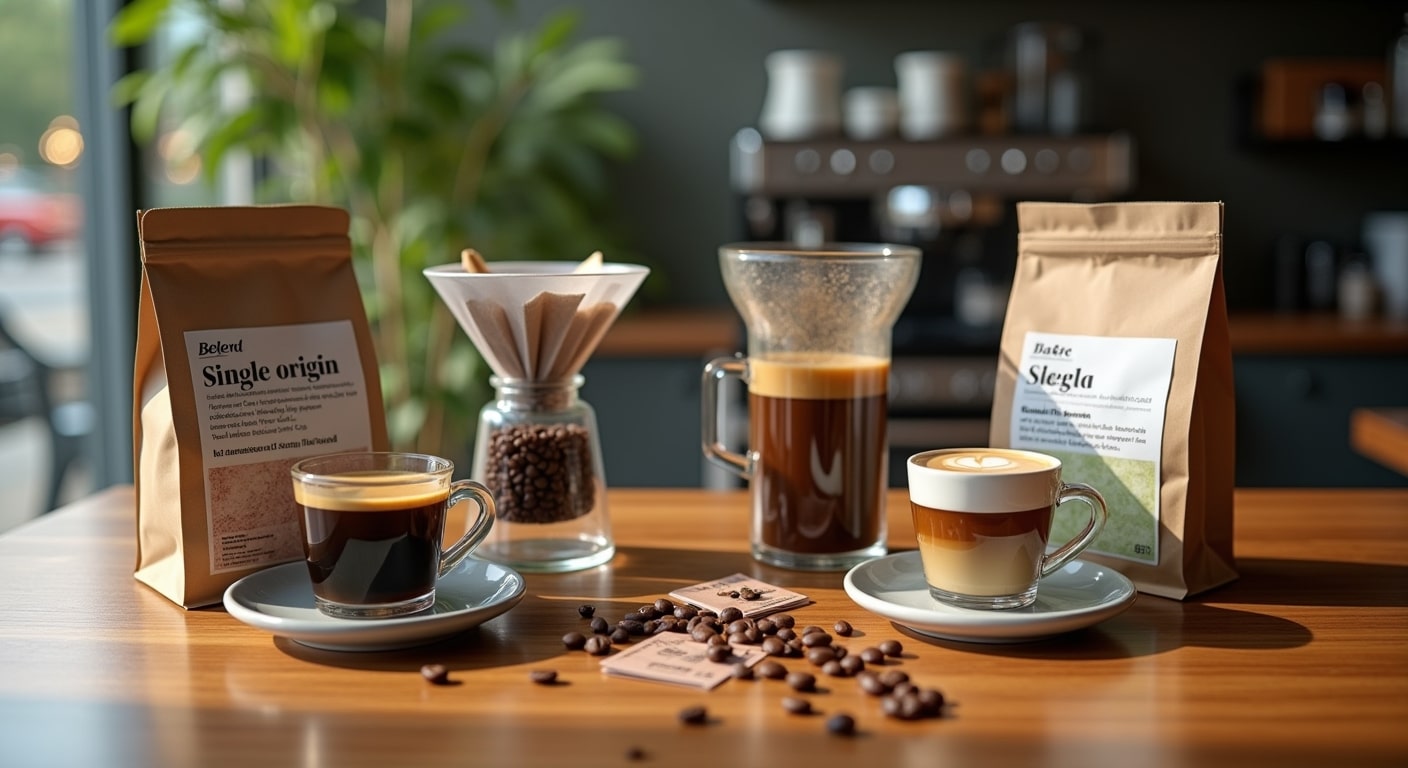
When comparing single origin vs blend coffee, many coffee drinkers in Malaysia want a simple answer: which one tastes better? The truth is that neither is automatically better. Each serves a different purpose, and the right choice depends on what you value most in the cup. Some people love the distinct character of beans from one farm or region, while others prefer the balance and consistency that come from combining several coffees. Whether you are brewing at home, ordering at a cafe, or learning more about beans, understanding the differences can help you enjoy coffee more confidently.
In Malaysia, coffee preferences are also shaped by how we drink coffee day to day. A carefully brewed V60 at a specialty cafe in Kuala Lumpur may highlight floral Ethiopian notes beautifully, while a milk-based flat white in Penang may work better with a chocolatey espresso blend. If you are still exploring your options, this guide breaks down the practical differences between single origin and blend coffee so you can decide what suits your taste, brewing method, and budget.
What does single origin coffee mean?
Single origin coffee refers to coffee that comes from one identifiable source. That source may be a single farm, a cooperative, a specific region, or sometimes even a particular lot. The main idea is traceability. Instead of mixing beans from several places, the coffee is presented as a product of one origin with its own flavour profile and growing conditions.
Because single origin coffee reflects a specific place, it often highlights what coffee professionals call terroir. Factors such as altitude, soil, rainfall, processing method, and variety all influence how the coffee tastes. For example, a single origin from Ethiopia may show floral, citrus, or tea-like notes, while one from Colombia may lean toward caramel, red fruit, or balanced sweetness.
If you want a stronger foundation on bean types, origins, and flavour development, our coffee beans guide is a useful next read.
Why single origin coffee appeals to enthusiasts
One major reason people choose single origin coffee is clarity. The flavours can be more expressive and unique, especially when brewed using methods that reveal subtle notes. Pour over, AeroPress, and filter brewing are popular choices for this reason. Single origin coffees also appeal to drinkers who enjoy learning where their coffee comes from and how farming and processing affect taste.
For cafes and roasters, single origin offerings can also create seasonal interest. As harvests change throughout the year, different coffees become available, giving customers a chance to try something new.
What is blend coffee?
Blend coffee is created by combining two or more coffees from different origins, farms, or processing styles. The goal is usually to achieve a specific flavour profile that is balanced, reliable, and easy to reproduce over time. A roaster may blend beans to bring together sweetness from one coffee, body from another, and acidity from a third.
This is why many cafes use blends as their main espresso offering. A well-built blend can taste rounder, more consistent, and more familiar across milk-based drinks such as cappuccinos, lattes, and flat whites. In a busy cafe environment, consistency matters. Customers often expect the same general taste every time they order their usual coffee.
Why blends remain popular
Blends are often designed for everyday drinking. They can be smooth, crowd-pleasing, and forgiving across different brewing conditions. In Malaysia, where milk coffee is widely loved and many consumers want a reliable cup rather than a highly experimental one, blends continue to be a practical and popular choice.
Blends can also help roasters maintain a house style. Even when harvest seasons shift and certain coffees rotate out, a roaster can adjust components to keep the final flavour close to what customers expect.
Single origin vs blend: the main differences
To understand single origin vs blend more clearly, it helps to compare them across the factors that matter most to coffee drinkers.
1. Flavour complexity and character
Single origin coffee is often chosen for distinctive flavour character. It may taste vibrant, layered, or surprising, especially if the beans are lightly roasted and carefully brewed. This makes it exciting for coffee enthusiasts who enjoy identifying tasting notes.
Blends, on the other hand, are usually crafted for harmony. Rather than showcasing one origin’s personality, they aim to deliver a complete cup in which sweetness, body, acidity, and finish work together smoothly.
2. Consistency
Blends generally win on consistency. Since roasters build them intentionally, they can adjust components to maintain a familiar taste profile. This is useful for cafes, offices, and home users who want predictable results.
Single origin coffee can vary more from season to season. That variation is not a flaw; it is part of the appeal. Still, it may not suit someone who wants the exact same cup every week.
3. Best brewing use
Single origin coffees are often favoured for manual brewing methods that highlight aroma and origin character. If you enjoy V60, Chemex, French press, or AeroPress, you may appreciate what a single origin can reveal. For brewing ideas and comparisons, see our guide to popular coffee brewing methods.
Blends are commonly used for espresso, especially when paired with milk. Their balanced profile can cut through milk better and provide a fuller body. That said, there are excellent single origin espressos too, especially for drinkers who want something brighter or more fruit-forward.
4. Price and accessibility
Single origin coffees can sometimes cost more, especially if they come from well-known farms, higher elevations, or limited seasonal lots. Their traceability and smaller supply may increase the price.
Blends are often more accessible and can offer strong value for daily drinking. Since they are designed with balance in mind, they can be a sensible starting point for people who are new to specialty coffee.
Which tastes better in black coffee?
If you drink your coffee black, single origin beans often stand out more clearly. Without milk or sugar, the origin’s natural sweetness, fruitiness, floral notes, or acidity become easier to notice. This is one reason many specialty cafes in Malaysia offer single origin filter coffee as a separate menu item from espresso-based drinks.
However, taste still depends on roast level and brew quality. A poorly roasted single origin will not magically outperform a carefully developed blend. In fact, a great blend can taste richer and more satisfying than an average single origin, especially if you prefer chocolate, nuts, and a heavier mouthfeel over bright acidity.
Which works better with milk?
For milk drinks, blends are often the safer and more popular choice. Milk softens acidity and highlights sweetness, so coffees with strong body, chocolate notes, caramel tones, and a round finish tend to perform well. Many espresso blends are designed exactly for this purpose.
That said, some single origin coffees can create memorable milk drinks too. A natural-processed Brazil or Colombia, for example, may produce a sweet and expressive latte. The key is matching the bean profile to the drink style.
In Malaysia’s cafe scene, where flat whites, iced lattes, and cappuccinos are everyday favourites, blends remain common because they provide a stable and approachable flavour profile.
How roasting affects single origin vs blend coffee
Roasting has a major influence on how both styles perform. Single origin coffees are often roasted to preserve origin character, which means lighter to medium roast profiles are common in specialty settings. These roasts can reveal acidity, florals, fruit notes, and origin detail.
Blends may be roasted with a broader audience in mind. Espresso blends are often developed to balance sweetness, body, and solubility, making them easier to extract consistently. Some blends lean darker to create more cocoa, roasted nuts, or bittersweet flavours, though modern specialty roasters may prefer medium profiles for cleaner taste.
This means the debate around single origin vs blend is never just about sourcing. Roast style also shapes the final cup significantly.
How to choose between single origin and blend
If you are deciding what to buy, start with how you usually drink your coffee.
Choose single origin if you:
- Enjoy black coffee and want to taste regional character
- Like trying new flavours and seasonal coffees
- Use manual brewing methods such as pour over or AeroPress
- Care about traceability and learning where your coffee comes from
Choose a blend if you:
- Prefer balanced, reliable flavour every day
- Mostly drink espresso or milk-based coffee
- Want a more approachable entry into specialty coffee
- Value consistency over novelty
If you are still unsure, the best approach is not to treat this as a strict either-or decision. Many coffee drinkers keep both at home: a blend for daily espresso and milk drinks, plus a single origin for slower weekend brews.
What should beginners buy first?
Beginners often find blends easier to start with because they are more forgiving and familiar. If your taste preference leans toward smooth, nutty, chocolatey, or low-acid coffee, a blend will probably feel more comfortable right away.
But if you are curious and want to understand what makes coffees taste different from one another, trying a single origin can be a great learning experience. Start with origins known for balance and sweetness rather than extremely bright or funky profiles. A washed Colombian or a Brazilian single origin may be easier for beginners than a very floral or highly fermented coffee.
For readers exploring coffee culture, cafe trends, and local preferences, our Malaysia coffee guide gives wider context on how people across the country enjoy coffee today.
Common myths about single origin and blend coffee
Myth 1: Single origin is always higher quality
Not necessarily. Single origin simply describes sourcing, not guaranteed quality. A blend made from excellent coffees and roasted well can be outstanding.
Myth 2: Blends are only for cheap coffee
Also false. While commercial blends exist at lower price points, many specialty roasters create premium blends with precise flavour goals and high-quality beans.
Myth 3: Blends are less interesting
A well-crafted blend can be very sophisticated. It may not highlight one origin’s identity, but it can deliver complexity in a different way through layering and balance.
Myth 4: Single origin cannot be used for espresso
Single origin espresso is widely available in specialty cafes. It simply tends to produce a more distinctive and sometimes less conventional shot profile.
Final thoughts on single origin vs blend
The best way to think about single origin vs blend is to focus on purpose rather than superiority. Single origin coffee is ideal when you want to explore flavour, traceability, and the character of a specific place. Blend coffee shines when you want balance, consistency, and a dependable cup, especially for espresso and milk drinks.
For many coffee drinkers in Malaysia, there is room for both. A blend may be your weekday favourite, while a single origin becomes your choice for slow mornings or cafe visits when you want to try something different. If you are building your palate, tasting both side by side is one of the easiest ways to understand your own preferences.
If you enjoy practical coffee guides like this, subscribe to our newsletter for more tips, bean insights, and cafe trends from Malaysia’s coffee scene.
