

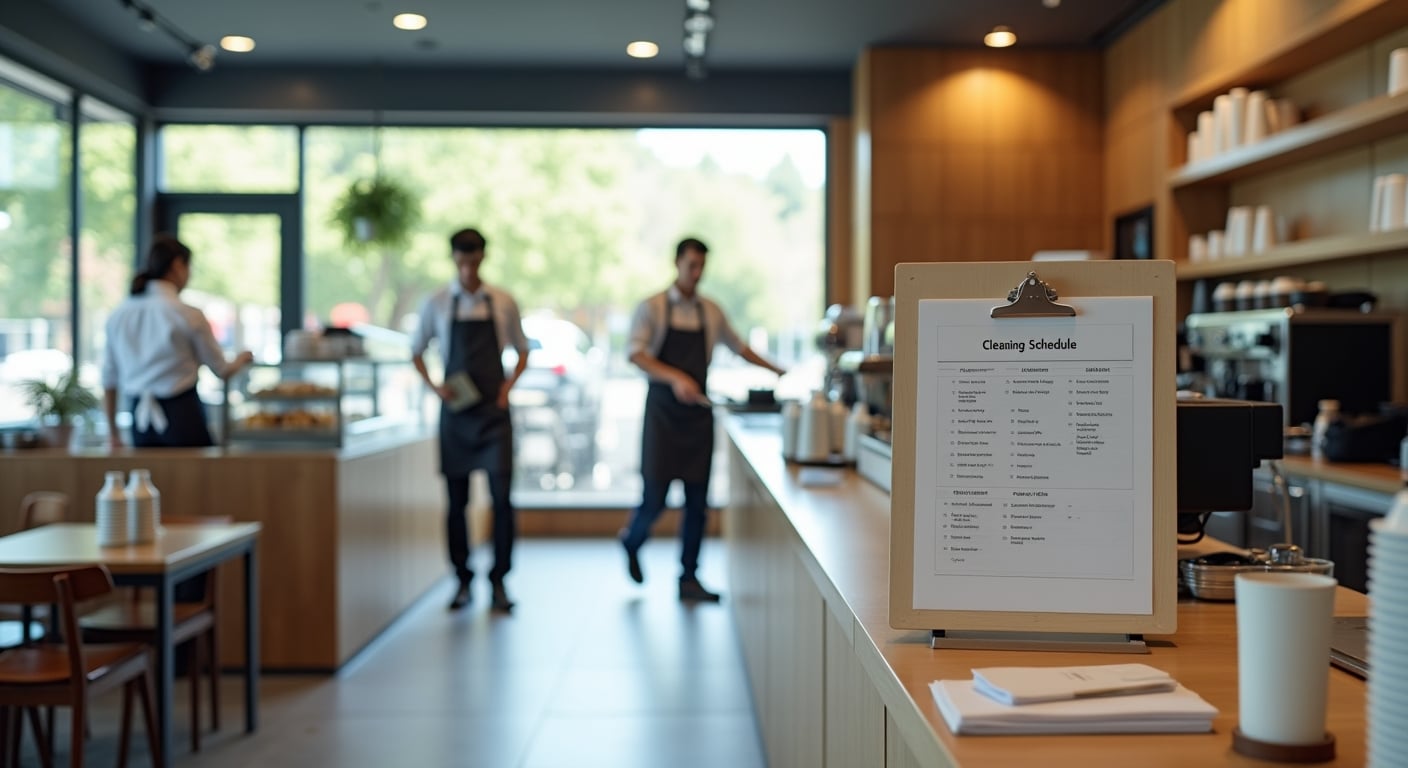
A well-planned cafe cleaning schedule is one of the most important systems behind a smooth, safe and profitable cafe. In Malaysia, where warm weather, high humidity and busy food service environments can quickly create hygiene risks, cleaning is not just about appearance. It affects food safety, customer trust, equipment lifespan, staff efficiency and even your online reputation. Whether you run a small specialty coffee bar or a full-service neighbourhood cafe, having a clear routine helps your team know what to clean, when to do it and who is responsible.
Many cafe owners focus heavily on menu development, interior design and marketing in the early stages. Those parts matter, but operations keep the business running every day. If you are still planning your outlet, our guide on how to start a coffee shop in Malaysia is a useful foundation for setting up the right systems from day one. Once you begin operating, a realistic cleaning schedule reduces missed tasks, helps with inspections and creates a more consistent experience for both customers and staff.
Why every cafe needs a cleaning schedule
Cleaning should never depend on memory or individual habits alone. A documented cleaning system creates accountability. It also helps new staff learn expectations faster and gives managers an easy way to inspect work.
Protects food safety and hygiene
Cafes handle milk, coffee grounds, pastries, cooked food, sauces, syrups and waste throughout the day. Without regular cleaning, spills, crumbs and standing moisture can attract pests and create contamination risks. In Malaysia’s climate, neglected drains, storage areas and bin zones can become trouble spots very quickly. A proper schedule supports hygiene, food safety and pest prevention, especially in kitchens, dishwashing areas, dry storage and under-counter spaces.
Improves customer perception
Customers notice more than you think. Sticky menus, dusty shelves, stained toilets or overflowing bins can affect reviews even if your coffee is excellent. A clean environment supports the premium feel many cafes want to create.
Extends equipment life
Espresso machines, grinders, blenders, chillers and ice machines perform better when cleaned routinely. Delaying basic maintenance often leads to breakdowns, inconsistent drinks and costly repairs.
Supports smoother staff operations
When staff know exactly what needs to be done during opening, shift changes and closing, service becomes more organised. This reduces confusion during peak periods and minimizes arguments over responsibilities.
How to structure a practical cafe cleaning schedule
The best cafe cleaning schedule is simple enough to follow during a busy day but detailed enough to prevent important tasks from being missed. Most cafes should divide cleaning into four levels: opening, during service, closing and periodic deep cleaning.
1. Break tasks by frequency
Use daily, weekly and monthly categories. Some tasks, such as wiping tables and sanitising bar counters, may happen multiple times a day. Others, like descaling machines or deep-cleaning storage racks, can be done weekly or monthly.
2. Assign responsibility by station
Instead of one long list for everyone, divide tasks by role or area. For example:
- Front of house: tables, menus, display counters, entrance, customer toilets
- Coffee bar: espresso machine, grinder area, milk fridge, knock box, sinks
- Kitchen: prep surfaces, ovens, fryers, chillers, dishwashing stations
- Utility and back area: bins, mops, drains, storage shelves, delivery zone
3. Use checklists staff can sign off
Printed checklists remain useful in many Malaysian cafes because they are easy to display in work areas. Digital task apps can also work, but the main goal is visibility and accountability.
4. Match your schedule to operating hours
A cafe in a mall may have different cleaning windows from a standalone cafe with breakfast service and late closing. Build routines around actual traffic patterns so staff can complete tasks consistently.
Daily cafe cleaning checklist
Daily cleaning forms the core of any cafe cleaning schedule. These tasks should be completed without fail.
Before opening
- Sweep and mop entrance, dining room and service areas
- Wipe tables, chairs, counters and condiment stations
- Sanitise coffee bar surfaces and food prep areas
- Check toilets, refill soap, tissue and hand towels
- Inspect fridges for spills, expired items or poor storage
- Ensure bins are emptied and relined
- Check for signs of pests, especially around drains, storage corners and rubbish areas
During service
- Wipe tables and clear used crockery quickly
- Sanitise high-touch points such as door handles, POS screens and handrails
- Keep bar counters dry and free of coffee grounds
- Wash utensils, pitchers and cloths regularly
- Monitor toilets and replenish supplies
- Remove food waste promptly
- Keep floor spills under control to reduce slip hazards
Closing routine
- Backflush and clean espresso machine according to manufacturer guidance
- Brush grinder chute and clean exterior surfaces
- Empty and wash knock box, drip trays and sink strainers
- Sanitise prep benches, cutting boards and food-contact tools
- Clean display case glass and remove expired products
- Sweep and mop all floors with attention to corners and under equipment
- Empty indoor and outdoor bins, then clean bin lids if needed
- Lock away food properly in sealed containers
If you are controlling expenses while building your operations system, it helps to understand where cleaning labour, chemicals and equipment fit into your overheads. Our article on cafe startup costs in Malaysia gives useful context for planning recurring operational expenses.
Weekly cleaning tasks
Weekly tasks go beyond visible surface cleaning. These are the jobs that help prevent grease buildup, odours and equipment issues.
Coffee and beverage station
- Deep-clean under and behind the espresso machine if practical
- Wash syrup bottle nozzles and holders
- Clean blender gaskets and hard-to-reach parts
- Organise undercounter refrigeration and wipe shelves thoroughly
- Check dates on milk, sauces and toppings
Kitchen and prep area
- Degrease tiled walls, splashbacks and extraction surfaces
- Clean microwave, oven and toaster interiors
- Sanitise fridge seals and handles
- Sort dry storage and discard damaged packaging
- Wash reusable containers and labels
Dining and customer areas
- Dust shelves, decor, lighting fixtures and skirting areas
- Clean windows, doors and partition glass
- Wash chair legs and table bases
- Sanitise baby chairs if provided
- Scrub toilet walls, sinks and floor corners more thoroughly
Waste and hygiene control
One area many operators under-manage is waste handling. Weekly cleaning should include bin storage zones, grease-prone corners, drain covers and delivery entrances. These areas are critical for hygiene and food safety, and they also play an important role in pest prevention. Even a cafe with a beautiful front counter can face serious problems if waste areas are neglected.
Monthly deep-cleaning tasks
Monthly tasks are your chance to reset the outlet and deal with problems that build up slowly over time.
- Pull out movable equipment and clean behind and beneath it
- Deep-clean storerooms and check for moisture issues
- Wash walls, vents and ceiling corners where dust accumulates
- Inspect drains and schedule professional cleaning if needed
- Descale machines based on water condition and usage volume
- Review chemical stock, cloth condition and mop replacement needs
- Audit all cleaning checklists to identify recurring misses
- Check for signs of cockroaches, ants or rodents in hidden back-of-house areas
For cafes with heavier kitchen operations, some monthly items may need to be shifted into a fortnightly schedule. The exact timing depends on foot traffic, menu complexity and outlet layout.
Areas cafes commonly forget to clean
Even hardworking teams can miss hidden or low-visibility zones. These forgotten places are often where smells, stains and pests begin.
- Under sinks and pipe areas
- Behind fridges and freezers
- Rubber door seals
- Floor drains and grease traps
- Air-conditioning vents near seating or food prep zones
- Menu holders, QR stands and table condiment bottles
- Staff lockers and break corners
- Outdoor seating railings and planters
Adding these items to a rotating checklist prevents the usual pattern of only cleaning what customers can easily see.
How to assign cleaning responsibilities to staff
A cleaning schedule only works if ownership is clear. In many cafes, tasks get skipped because staff assume someone else will handle them.
Use station-based accountability
Baristas can own the coffee bar, service crew can own front-of-house touchpoints and kitchen staff can own prep and storage sanitation. Supervisors should inspect and sign off before close.
Keep training practical
Show staff how to clean equipment correctly, what chemicals to use and what not to mix. Training matters because improper cleaning can damage machines or create safety issues.
Set measurable standards
Instead of vague instructions like clean properly, define outcomes such as no visible grounds in grinder tray, no standing water under sink and all bins relined before opening.
Review routines during slow periods
Cleaning should be part of operations, not an afterthought. If your business is growing, your service systems should evolve too. Many owners who improve their workflows eventually also refine branding and promotion, and our guide to cafe marketing in Malaysia can help connect strong operations with stronger customer perception.
Recommended cleaning supplies for cafes
Your supplies do not need to be complicated, but they should be organized and food-service appropriate.
- Food-safe sanitiser
- Degreaser for kitchen surfaces
- Glass cleaner
- Microfibre cloths separated by colour
- Scrub pads and detail brushes
- Mop, bucket and wet floor signs
- Disposable gloves
- Bin liners in the right sizes
- Drain cleaning tools where suitable
- Cleaning log sheets or digital checklist tools
Colour-coding cloths and brushes is especially helpful. For example, one set for customer areas, one for food prep and one for toilets reduces cross-contamination risks.
Common mistakes in a cafe cleaning schedule
Being too ambitious
If your checklist is unrealistic, staff will stop following it. Start with essential tasks and expand as the team becomes disciplined.
No inspection process
A checklist without supervisor review often turns into a box-ticking exercise. Managers should inspect key areas regularly.
Ignoring back-of-house hygiene
Customers may not see storerooms or drain areas, but poor conditions there can affect the whole business through odour, contamination and pest activity.
Using the wrong products
Some chemicals can corrode equipment or leave unsafe residues. Always match products to surfaces and food-service requirements.
Recommended services section
Some cleaning and hygiene tasks can be handled in-house, but several areas are worth outsourcing on a scheduled basis. Consider professional pest control for preventive treatment, drain and grease management support, deep kitchen cleaning and periodic equipment servicing. For cafes in Malaysia, this can be especially useful in managing humidity-related hygiene risks, protecting food safety standards and reducing the chance of pest issues before they affect customer experience.
Final thoughts
A strong cafe cleaning schedule is not just a housekeeping document. It is part of quality control, staff management and brand protection. Clean spaces help staff work faster, keep food safer and make customers more comfortable returning. The best schedule is one your team can actually follow every day, with clear responsibilities, practical timing and regular review. Start simple, document everything and improve the routine as your cafe grows.
