

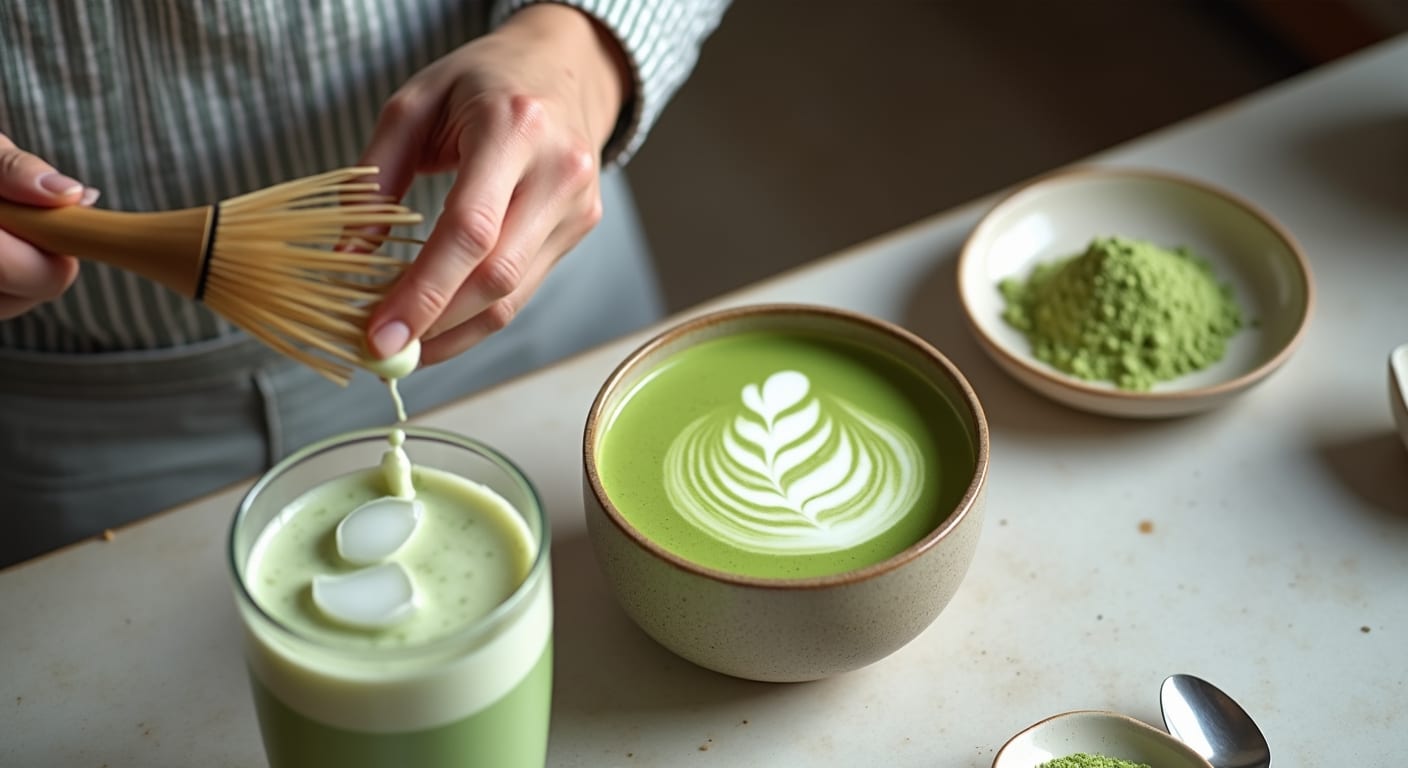
If you are wondering how to make matcha latte at home, the good news is that it is much easier than most people think. With a few basic ingredients, the right whisking method, and some simple technique, you can make a smooth, creamy matcha latte without going to a café. Whether you prefer it hot or iced, homemade matcha is affordable, customisable, and well suited to daily routines in Malaysia.
Quick Answer: How to Make Matcha Latte at Home
To make matcha latte at home, sift 1 to 2 teaspoons of matcha powder into a bowl, add 60ml hot water at about 80°C, and whisk until smooth and frothy. Warm or chill 180 to 240ml milk, sweeten if desired, then combine with the matcha. Serve hot or over ice.
Many people start with coffee and later explore matcha because it offers a different kind of daily ritual. If you also enjoy making drinks yourself, you may like this guide to coffee brewing methods at home for more café-style ideas.
Why Matcha Latte Is So Popular at Home
Matcha latte has become a favourite drink for students, working adults, and café lovers in Malaysia. It feels premium, looks beautiful, and can be adjusted to suit different preferences. Some people like it earthy and bold, while others prefer a sweeter, milkier style similar to what they get from modern cafés in Kuala Lumpur, Penang, or Johor Bahru.
Homemade matcha also gives you more control over ingredients. You can choose your preferred milk, adjust sweetness, and use better-quality powder if you want a cleaner taste. In Malaysia, where weather can be warm most of the year, iced matcha latte is especially popular, but hot matcha remains a comforting option on rainy afternoons or in air-conditioned offices.
What You Need to Make Matcha Latte at Home
Core Ingredients
- Matcha powder: 1 to 2 teaspoons
- Hot water: about 60ml, ideally 75°C to 80°C
- Milk: 180 to 240ml
- Sweetener: optional, such as sugar, honey, maple syrup, or gula melaka syrup
Optional Tools
- Matcha whisk or bamboo chasen
- Small bowl
- Sifter
- Measuring spoon
- Milk frother or shaker
- Tall glass for iced matcha
You do not need expensive equipment to learn how to make matcha latte at home. A small whisk, spoon, or handheld frother can work well for beginners. The most important part is breaking up clumps before mixing.
Best Type of Matcha for Latte
If you want the best flavour, choose a matcha labelled ceremonial grade or a high-quality latte-grade powder from a trusted seller. Ceremonial matcha is usually smoother and less bitter, while culinary matcha is often stronger and better for baking or mixed drinks. For lattes, either can work, but lower-grade powder may taste more grassy or sharp.
For beginners in Malaysia, a good-quality latte-grade matcha often gives the best value. It blends well with milk and is usually more affordable for daily use. Always look at colour too. Bright green matcha generally indicates fresher powder, while dull olive tones may taste flatter.
Hot vs Iced Matcha Latte
| Style | Best For | Taste Profile | Malaysia Suitability |
|---|---|---|---|
| Hot Matcha Latte | Morning routine, rainy days, cosy drinks | Creamy, mellow, more aromatic | Good for cooler indoor settings |
| Iced Matcha Latte | Afternoons, refreshing drink, on-the-go | Light, refreshing, slightly sharper | Very popular in Malaysia’s warm climate |
If you are deciding which version to start with, iced matcha latte is often more forgiving because chill and ice can soften bitterness. Hot matcha latte, however, highlights the quality of your powder more clearly.
Step-by-Step: How to Make Matcha Latte at Home
1. Sift the Matcha
Add 1 to 2 teaspoons of matcha powder into a bowl through a small sieve. This helps remove lumps and makes whisking easier. Skipping this step is one of the main reasons homemade matcha turns out grainy.
2. Add Hot Water
Pour in about 60ml of hot water. Avoid boiling water because it can make matcha taste bitter. Water around 75°C to 80°C works best. If you do not have a thermometer, boil water first and let it sit for a minute or two.
3. Whisk Until Smooth
Use a bamboo whisk, small whisk, or milk frother to mix the matcha and water. Whisk briskly until the powder dissolves and a light foam forms on top. The goal is a smooth, lump-free mixture.
4. Prepare the Milk
Warm 180 to 240ml of milk for a hot latte, or use cold milk for an iced version. You can froth the milk lightly if you want a café-style texture. Dairy milk creates a rich body, while oat milk is popular for a naturally creamy finish.
5. Sweeten If Desired
Add sugar, honey, maple syrup, or gula melaka syrup to the milk or matcha mixture. Start small, especially if your matcha is already smooth and mild. Sweetener can balance the grassy notes without overpowering them.
6. Combine and Serve
Pour the milk into your whisked matcha for a hot latte. For iced matcha, fill a glass with ice, add milk first, then pour the matcha over it for a layered look. Stir before drinking.
Simple Recipe Ratios for Beginners
If you want an easy formula for how to make matcha latte at home, use this beginner ratio:
- 1 teaspoon matcha for a lighter drink
- 2 teaspoons matcha for a stronger café-style flavour
- 60ml hot water to dissolve the matcha
- 200ml milk for a balanced latte
- 1 to 2 teaspoons sweetener if preferred
Once you get used to the basic ratio, you can adjust based on your taste. Some people prefer a stronger matcha flavour with less milk, while others like a softer, creamier style.
Best Milk Options for Matcha Latte
Dairy Milk
Dairy milk gives a classic creamy texture and softens matcha’s earthy notes well. It is a good starting point if you want a familiar café-style drink.
Oat Milk
Oat milk is one of the most popular choices for matcha latte because it is smooth and naturally slightly sweet. It pairs especially well with iced matcha.
Soy Milk
Soy milk works nicely too and is widely available in Malaysia. Choose unsweetened soy milk if you want more control over the final taste.
Almond Milk
Almond milk gives a lighter body and a subtle nutty note. It may not feel as creamy, but some people enjoy the cleaner finish.
Coconut Milk
Coconut milk can give matcha a tropical profile, though it changes the drink more noticeably. This can be a fun option if you enjoy local flavours and want something different.
Common Mistakes to Avoid
Using Boiling Water
Boiling water can make matcha taste harsh and bitter. Slightly cooler water helps preserve sweetness and aroma.
Not Sifting the Powder
Matcha clumps easily. Sifting first makes a big difference in texture.
Using Too Much Milk
Too much milk can hide the matcha completely. Start with 180 to 200ml, then adjust.
Choosing Low-Quality Matcha
If your matcha looks dull green and tastes very bitter, the issue may not be your technique. Better powder usually creates a smoother drink.
Over-Sweetening
It is easy to add too much syrup or sugar. Sweeten gradually so you can still taste the matcha.
How to Make Iced Matcha Latte at Home
Iced matcha latte is one of the easiest and most refreshing versions to make in Malaysia. Here is the quick method:
- Sift 1 to 2 teaspoons of matcha into a bowl.
- Add 60ml hot water and whisk until smooth.
- Fill a glass with ice.
- Pour in 180 to 240ml cold milk.
- Add sweetener if desired.
- Pour matcha over the milk and ice.
- Stir and serve.
This version works well for warm afternoons, especially if you want a drink that feels lighter than a hot latte.
How to Make Hot Matcha Latte at Home
For a hot version, the process is nearly the same but with warmed milk instead of cold milk. Whisk the matcha with hot water first, then top it with warm milk. Froth the milk a little if you want a softer, café-style finish. The hot version tends to feel creamier and more aromatic.
How to Adjust Matcha Latte to Your Taste
For Stronger Matcha Flavor
- Use 2 teaspoons matcha instead of 1
- Reduce milk slightly
- Choose a brighter, better-quality powder
For a Sweeter Café-Style Drink
- Add vanilla syrup or honey
- Use oat milk for natural sweetness
- Try a little gula melaka syrup for a local twist
For a Lower-Calorie Version
- Use unsweetened milk
- Skip syrup
- Keep the recipe simple with just matcha, water, and milk
Can You Make Matcha Latte Without a Bamboo Whisk?
Yes. If you do not have a bamboo whisk, you can still learn how to make matcha latte at home using other tools. A handheld milk frother works very well. You can also use a mason jar or shaker bottle by adding matcha and water, closing the lid, and shaking until smooth. A small kitchen whisk can help too, though it may not create the same fine foam.
For more drink-making basics and useful beverage tips, readers can also explore our coffee tips and knowledge guides, which cover practical techniques that apply across café-style drinks.
Key Takeaways
- Use 1 to 2 teaspoons of matcha with 60ml hot water and about 200ml milk.
- Sift the powder first to prevent lumps.
- Use water around 75°C to 80°C, not boiling.
- Oat milk and dairy milk are beginner-friendly choices.
- Iced matcha latte is especially popular in Malaysia because it is refreshing and easy to drink.
- Adjust sweetness and milk volume based on your preferred style.
Is Homemade Matcha Latte Worth It?
For most people, yes. Once you understand the basic method, homemade matcha latte is quick to prepare, usually takes less than 10 minutes, and can save money compared with buying café drinks regularly. It also gives you more flexibility, whether you want a less sweet drink, a dairy-free option, or stronger matcha flavour.
If you enjoy experimenting with drinks at home, matcha can become part of the same routine as hand-brewed coffee, iced beverages, and other café staples. The biggest difference comes from using decent-quality matcha and getting the whisking process right.
Related Guides
If you want to keep building your home drink skills, read our guide to brewing coffee at home with different methods and browse more coffee tips and beverage knowledge for practical everyday techniques.
Final Thoughts on How to Make Matcha Latte at Home
Learning how to make matcha latte at home is mostly about mastering a simple base: sifted matcha, correct water temperature, smooth whisking, and milk that fits your taste. Start with a basic recipe, try both hot and iced versions, and fine-tune it from there. In a Malaysian home kitchen, that is often all you need to make a satisfying matcha latte that feels café-worthy without being complicated.
