

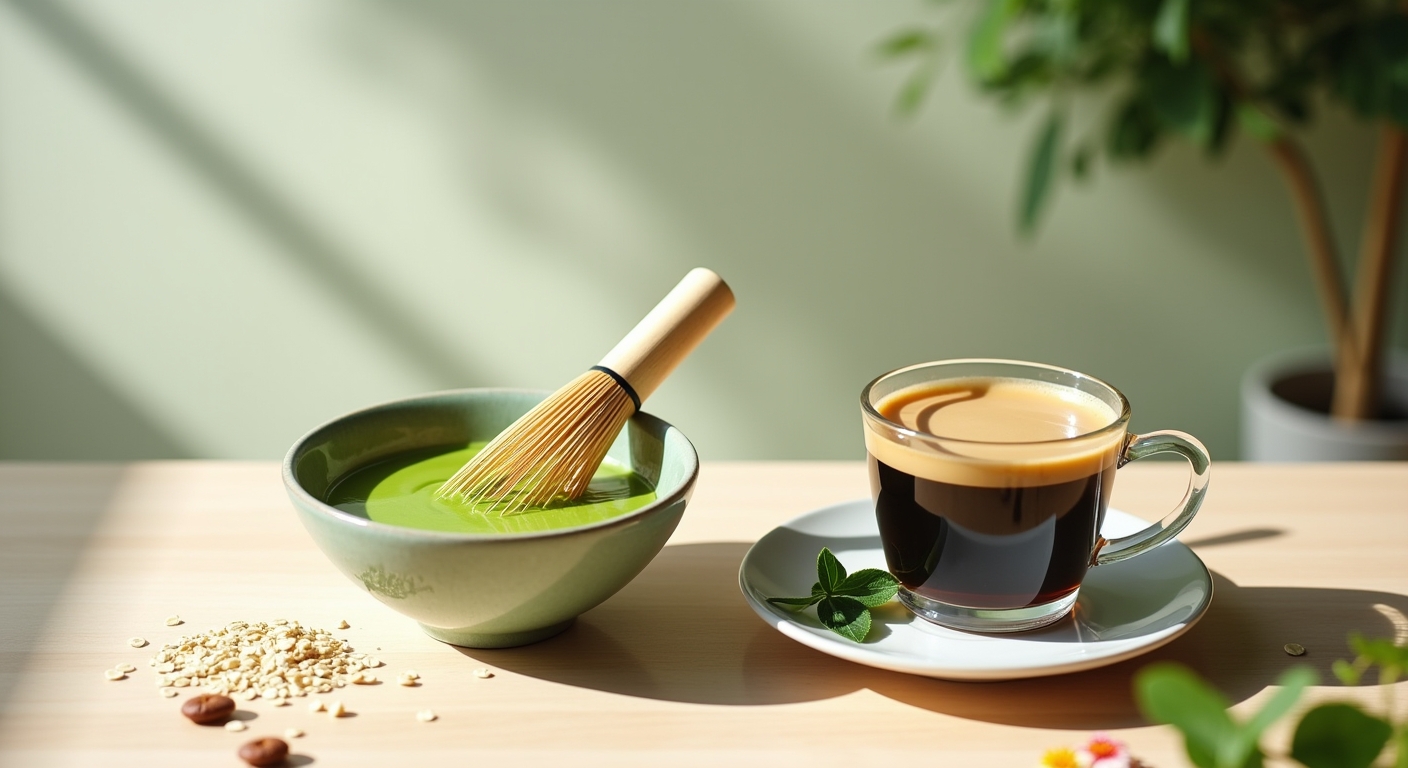
If you have ever wondered is matcha healthier than coffee, the short answer is: it depends on your body, your goals, and how you drink each one. Matcha is often seen as the gentler option because it contains antioxidants, L-theanine, and a steadier caffeine release. Coffee can also be very healthy, especially when taken with little sugar and milk, and it may offer stronger mental alertness and workout support. For many people in Malaysia, matcha feels easier on the stomach, while coffee remains the more powerful pick-me-up.
Direct Answer: Is Matcha Healthier Than Coffee?
Matcha is not automatically healthier than coffee, but it can be a better choice for people who want smoother energy, more antioxidants, and fewer caffeine crashes. Coffee may be better for those who want stronger alertness, better exercise performance, and a lower-calorie drink when taken black. The healthier option depends on your caffeine tolerance, sleep quality, sugar intake, and lifestyle.
In real life, the biggest health difference often comes from what you add to the drink. A plain matcha or black coffee is very different from an oversized frappé, sweet latte, or whipped cream drink. That matters a lot in Malaysia, where trendy café beverages can quickly become dessert-level drinks.
Quick Comparison Table
| Factor | Matcha | Coffee |
|---|---|---|
| Caffeine feel | Smoother, steadier | Faster, stronger kick |
| Antioxidants | Very high, especially catechins | High, with beneficial polyphenols |
| Mental focus | Calm focus from L-theanine + caffeine | Sharp alertness from caffeine |
| Energy crash | Often less noticeable | More likely if overconsumed |
| Stomach sensitivity | Usually gentler for some people | Can trigger acidity in sensitive drinkers |
| Sleep disruption | Possible if taken late | More common if taken late or in large amounts |
| Best for | Steady energy, focus, wellness routines | Morning boost, productivity, pre-workout energy |
What Makes Matcha “Healthy”?
Matcha is a powdered green tea made by grinding whole tea leaves. Because you consume the leaf itself, you get a concentrated source of nutrients and plant compounds. That is one reason people ask whether matcha is healthier than coffee.
1. Rich in antioxidants
Matcha is especially known for catechins, a type of antioxidant. One of the most talked-about catechins is EGCG. Antioxidants help protect cells from oxidative stress, which is why matcha is often associated with overall wellness.
2. Contains L-theanine
L-theanine is an amino acid naturally found in tea. It is linked to a calmer, more balanced mental state. When combined with caffeine, it may support focus without the jittery feeling some people get from coffee.
3. Smoother caffeine release
Many drinkers describe matcha energy as more stable. Instead of a sharp spike and crash, matcha may feel more even across a few hours. This is one reason office workers, students, and café-goers are increasingly choosing matcha drinks.
4. May be gentler on the stomach
Some people who get acid discomfort from coffee find that matcha feels easier to drink. That does not mean it works for everyone, but it can be a practical alternative if regular coffee causes digestive issues.
What Makes Coffee Healthy Too?
It is easy to overhype matcha and forget that coffee also has real health benefits. In fact, coffee has been widely studied and can absolutely be part of a healthy lifestyle.
1. Coffee is rich in beneficial compounds
Coffee contains antioxidants and plant compounds that may support overall health. Black coffee is also very low in calories, making it a simple option for people who want a functional drink without extra sugar.
2. Stronger alertness
If your main goal is waking up quickly, coffee usually wins. The caffeine effect tends to be faster and more obvious. This can help during early work mornings, long drives, or before exercise.
3. Better for performance-focused routines
Coffee is often preferred before workouts because caffeine may improve energy, endurance, and concentration during training. For many gym-goers, a small black coffee before exercise is practical and affordable.
4. Widely available and versatile
In Malaysia, good coffee is everywhere, from kopitiams to specialty cafés. You can choose espresso, long black, filter coffee, or milk-based drinks depending on your tolerance and taste. If you want a broader comparison, this guide on matcha vs coffee differences is a useful next read.
Matcha vs Coffee: Which Has More Caffeine?
The caffeine content depends on preparation, serving size, and type of drink. In general, coffee usually contains more caffeine per serving than matcha.
- Matcha: often around 30 to 70 mg per serving
- Coffee: often around 80 to 120 mg or more per cup
These numbers vary a lot. A double espresso, canned coffee, or large cold brew can be much higher. Likewise, ceremonial and café-style matcha can vary depending on how much powder is used.
So if you are asking, is matcha healthier than coffee for caffeine, the answer is not simply “less is better.” A lower or smoother caffeine intake may be healthier for some people, especially those sensitive to jitters, anxiety, or disrupted sleep. But for others, coffee’s stronger effect is useful and not harmful when consumed moderately.
Which Is Better for Energy and Focus?
Matcha for calm concentration
Matcha is often preferred for desk work, reading, and study sessions because it may create a more balanced kind of alertness. Many people describe the effect as focused but not restless.
Coffee for immediate stimulation
Coffee generally works faster and feels stronger. If you are sleepy and need a quick mental reset, coffee is usually more effective. This is why so many people still rely on espresso or black coffee during busy mornings.
The better choice depends on the kind of energy you want:
- Choose matcha if you want smoother focus over time
- Choose coffee if you need a stronger and faster boost
Which Is Better for Your Stomach?
This is one of the most practical reasons people switch from coffee to matcha.
Coffee can trigger acid sensitivity, bloating, or discomfort in some people, especially when taken on an empty stomach. Matcha may feel gentler, although some drinkers still react to caffeine regardless of source.
If your stomach gets irritated easily, try these simple tests:
- Drink after food, not on an empty stomach
- Reduce sugar and dairy-heavy add-ons
- Try a smaller serving first
- Compare your body’s response over a week
Your own tolerance matters more than social media claims.
Which Is Better for Weight Management?
Neither matcha nor coffee is a magic weight-loss drink. Both can fit into a healthy eating plan, but both can also become high-calorie drinks if loaded with syrup, sweet cream, or condensed milk.
When matcha supports weight goals
- When taken with little or no sugar
- When used instead of high-calorie sweet drinks
- When it helps control energy dips and snack cravings
When coffee supports weight goals
- When taken black or with minimal milk
- When used as a low-calorie morning drink
- When it supports exercise performance
In Malaysia, this is especially important because many café drinks can carry far more sugar than people expect. A plain drink and a sweet blended drink are not nutritionally equal, even if both are called coffee or matcha.
Which Has More Antioxidants?
Matcha usually wins on antioxidant density, especially because you consume the whole powdered leaf. This is a major reason why some people believe the answer to is matcha healthier than coffee is yes.
Still, coffee is not lacking. It also contains antioxidants and has been associated with health benefits in many studies. So this is better understood as a difference in nutritional profile, not a case of one drink being “good” and the other “bad.”
Which Is Better for Sleep and Anxiety?
If you are sensitive to caffeine, matcha may be the easier option because it often feels less intense. However, matcha still contains caffeine, so it can still interfere with sleep if taken too late.
Choose matcha if you:
- Get jittery from espresso or strong brewed coffee
- Want a calmer mental effect
- Need moderate energy without feeling overstimulated
Choose coffee carefully if you:
- Need stronger morning alertness
- Can tolerate caffeine well
- Avoid drinking it late in the day
A practical rule: if coffee makes you anxious, shaky, or unable to sleep, matcha may be a better fit. If matcha feels too mild and you function well with coffee, then coffee may be perfectly fine for you.
Is Matcha Healthier Than Coffee for Malaysians?
For Malaysia readers, the answer often depends on daily habits more than the drink category itself.
If your usual drink is a very sweet iced latte, frappé, or flavoured café beverage, switching to a lower-sugar matcha or black coffee could be a healthier move. If you already drink clean, simple coffee, then coffee may remain just as healthy for you as matcha.
Local habits also matter:
- Kopitiam coffee can be delicious but may include sugar or margarine depending on style
- Specialty black coffee is often lower in calories
- Modern matcha lattes can be healthy or sugary depending on the café recipe
- Convenience store bottled drinks often contain more sugar than expected
The healthiest choice is usually the one with sensible portions, less added sugar, and a caffeine level your body handles well.
How to Choose Between Matcha and Coffee
If you are still unsure whether matcha is healthier than coffee for you personally, use this quick guide.
Choose matcha if you want:
- Steady energy
- Calmer focus
- Higher antioxidant intake
- A gentler option for your stomach
Choose coffee if you want:
- A stronger caffeine boost
- Fast morning alertness
- Better pre-workout stimulation
- A simple, low-calorie drink when taken black
Choose either one if you:
- Keep sugar low
- Watch serving size
- Avoid drinking too late
- Pay attention to your own tolerance
Key Takeaways
- Matcha is often healthier for people who want smoother energy, antioxidants, and less jitteriness.
- Coffee can be equally healthy when consumed in moderation, especially without excess sugar.
- Matcha usually contains less caffeine per serving than coffee.
- Coffee often delivers stronger alertness and better workout support.
- The healthiest choice depends on your sleep, digestion, caffeine tolerance, and drink customisation.
- In Malaysia, many coffee and matcha drinks become less healthy because of added sugar, syrups, and cream.
Final Verdict
So, is matcha healthier than coffee? For some people, yes. Matcha may be healthier if you want a calmer caffeine experience, more antioxidants, and a drink that feels easier on your stomach. But coffee is not unhealthy by default. In fact, plain coffee can be an excellent choice if you enjoy stronger alertness and tolerate caffeine well.
The better question is not which drink is universally healthier. It is which drink helps you feel better, function better, and avoid the sugar-heavy habits that often come with modern café beverages.
If you are exploring more drink comparisons and café knowledge, browse our coffee tips and knowledge hub for beginner-friendly guides and practical insights.
Related Guides
Want to continue reading? Check out our guide to matcha vs coffee for a broader side-by-side comparison, or explore more practical drink advice in our coffee tips and knowledge section.
